
Setting Clear Content Strategy Goals and Objectives You Can Actually Measure
Setting clear, measurable content strategy goals is essential for driving real results rather than just filling space. Effective goals go beyond vague wishes and use specific metrics like traffic, engagement, or conversions with defined timelines and accountability. By understanding your audience, defining precise objectives, selecting relevant metrics, and regularly reviewing progress, teams can align content efforts with broader business objectives. Tools such as Google Analytics, SEMrush, and project management software help track performance and encourage data-driven adjustments. Utilizing the SMART framework—Specific, Measurable, Achievable, Relevant, and Time-bound—ensures goals are actionable and realistic. Collaboration across marketing, sales, and customer service enhances alignment and outcome measurement. Common pitfalls include vague goals, tracking irrelevant metrics, and neglecting regular reviews. A well-maintained content calendar organizes publishing schedules and responsibilities, supporting consistent progress. Regular refinement based on analytics fosters continuous improvement. Clear measurement and reporting demonstrate content’s value to leadership, securing ongoing support and investment. Whether for B2B, SaaS, or e-commerce, focusing on relevant metrics and aligning goals with business priorities drives success. This strategic approach empowers teams to create impactful content that supports growth, engagement, and conversion targets effectively.
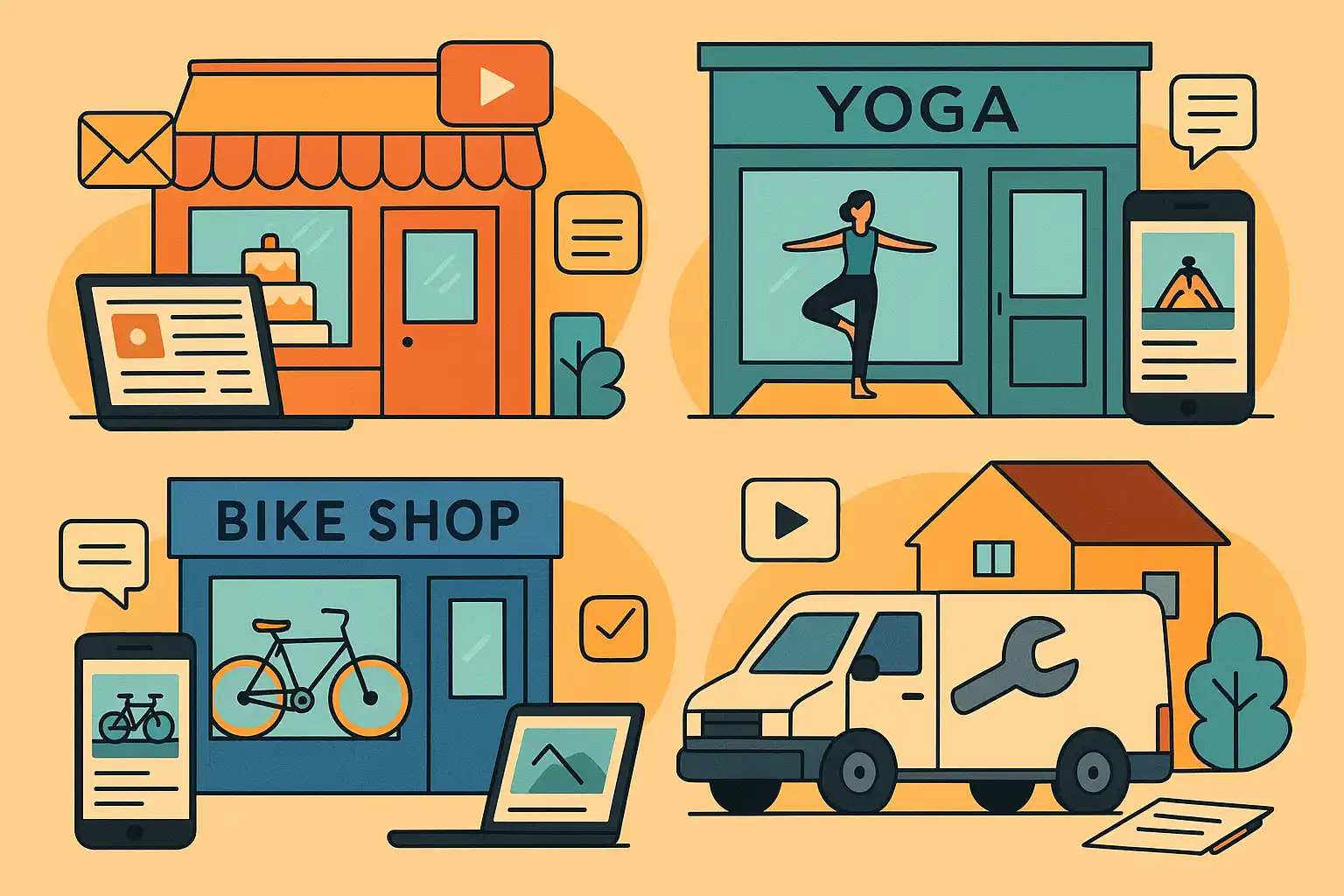
Content strategy examples for small business: Simple plans that deliver results
This article offers practical content strategy examples tailored for small businesses aiming to attract customers and grow without large budgets. It emphasizes creating focused plans that set clear goals, understand target audiences, select appropriate channels, plan relevant topics, and measure results. Small businesses can leverage strengths, repurpose content, use free tools like Canva and Mailchimp, maintain consistency, and engage their community to maximize impact. Effective content types include how-to guides, behind-the-scenes stories, product demos, customer success stories, seasonal tips, and newsletters. Real-world examples illustrate success through blogs, social media stories, email spotlights, video tutorials, and local guides. Essential tools such as Google Calendar, Buffer, and Google Analytics aid organization and performance tracking. Common pitfalls to avoid include spreading efforts too thin, ignoring analytics, over-selling, and neglecting content updates. Starting with simple, authentic content and gradually expanding ensures sustainable growth. Seasonal campaigns paired with special offers boost relevance and sales. Ultimately, the key is to stay authentic, engage actively, focus on community, and refine strategies based on feedback. Consistent, quality content tailored to customers’ needs helps small businesses stand out and build lasting relationships in their local markets.

How the Content Strategy Process Works from Research to Publishing: Content Strategy Process Explained
The content strategy process is a structured approach guiding brands from research and planning to content creation, publishing, and performance measurement. It ensures content aligns with business goals, targets the right audience, and maintains consistency across channels. Key stages include setting SMART goals, conducting audience and persona research, performing content audits, selecting appropriate platforms and tools, brainstorming content ideas, developing content calendars with governance, producing and reviewing content, publishing and promoting effectively, and measuring results to refine strategies. Effective research involves audience analysis, competitor insights, content audits, and trend monitoring to ground content in data. Best practices for smooth publishing emphasize clear roles, suitable CMS choices, calendar-driven scheduling, cross-team coordination, and regular content updates. Common content formats include blog posts, videos, infographics, podcasts, case studies, and whitepapers, selected based on audience needs and business objectives. Continuous improvement is achieved through regular reviews, stakeholder feedback, SEO updates, testing, and competitor monitoring. This process fosters meaningful, optimized content delivery that drives engagement, brand awareness, and conversions, supporting sustainable marketing success.

Content Strategy vs Content Marketing Difference: Where Each One Fits
Content strategy and content marketing are distinct yet complementary components of successful digital marketing. Content strategy involves planning—defining the target audience, goals, key messages, content formats, channels, and metrics to ensure purposeful and consistent messaging. It acts as a roadmap guiding what content to create and why. Content marketing is the execution phase, focusing on producing, publishing, and promoting content such as blogs, videos, social media posts, and newsletters to engage and convert the audience. Both work together throughout the customer journey—awareness, consideration, and decision—aligning content to audience needs at each stage. Without strategy, marketing efforts risk being scattered and ineffective; without marketing, strategy remains theoretical. Developing a content strategy involves setting objectives, researching the audience, mapping the customer journey, selecting themes and channels, organizing workflows, and measuring success. Effective content marketing demands consistent, quality content creation, multi-channel promotion, audience interaction, and data-driven adjustments. Whether managed by one person or a team, collaboration ensures alignment and results. Over time, both strategy and marketing should evolve with changing business goals, audience preferences, and industry trends to maintain relevance and drive growth. Together, they build brand authority, foster trust, and improve ROI, making content a vital business asset.

What is content strategy in digital marketing and how does it drive real results?
Content strategy in digital marketing is a strategic plan for creating, publishing, and managing digital content to achieve business goals. It ensures every content piece has a clear purpose, targets the right audience, aligns with the brand, and delivers measurable results. A strong content strategy defines goals, audience needs, key topics, channels, and performance metrics, transforming content from a random effort into a growth-driving asset. It boosts brand visibility, engagement, website traffic, lead generation, and customer loyalty while optimizing marketing budgets. Effective strategies rely on data-driven insights, audience research, and continuous measurement to refine content and maximize ROI. Key components include clear business goals, audience personas, content planning, channel selection, creation, promotion, and ongoing analysis. Using tools like Google Analytics, SEMrush, and social media platforms enhances strategy effectiveness. Content strategy differs from content marketing (execution) and content planning (tactical scheduling). Challenges such as maintaining quality, consistency, and proving ROI can be overcome with clear guidelines and analytics. Future-ready strategies embrace flexibility, personalization, AI, and emerging platforms while focusing on authentic, audience-centered storytelling. This approach builds brand trust, drives conversions, and supports sustainable digital growth for businesses of all sizes.

Influencer Partnerships in Content That Perform: Proven Strategies for Lasting Impact
Influencer partnerships in content marketing drive meaningful engagement, credibility, and long-term brand impact when built on authenticity, shared values, and strategic collaboration. Successful brands move beyond one-off sponsored posts, treating influencers as trusted co-creators who connect deeply with niche audiences. Authentic storytelling by influencers, who understand their community’s language and trends, leads to higher engagement and genuine conversations, boosting brand trust. Long-term partnerships outperform single campaigns by fostering consistent messaging and stronger audience bonds. Selecting the right influencers involves aligning goals, assessing relevance, engagement rates, content quality, and value fit rather than focusing solely on follower count. Tools like Upfluence and Sprout Social aid in discovery, while personalized outreach enhances collaboration success. Effective strategies include granting creative freedom, maintaining transparent communication, flexible compensation, and ongoing collaboration. Influencer content partnerships vary from sponsorships and co-created content to giveaways, reviews, and affiliate marketing, each serving distinct campaign goals. Micro-influencers often yield higher engagement and niche trust compared to celebrities, making a tailored mix ideal. Measuring success requires tracking engagement, conversions, sentiment, and long-term brand lift over vanity metrics. Both B2C and B2B brands benefit from influencer collaborations that build authority, foster community, and spark authentic audience interactions.

Pillar Content Meaning and Benefits: What Makes It Essential for Your Website?
Pillar content is a comprehensive, authoritative resource that covers broad topics in depth, serving as the foundation of a website’s content strategy. Acting like a central hub, it links to related subtopics or cluster content, creating a clear, organized structure that benefits both users and search engines. This structure enhances SEO by improving site navigation, boosting thematic authority, increasing keyword rankings, and driving organic traffic. For users, pillar content offers a seamless, one-stop guide that improves engagement and reduces bounce rates. Key benefits include establishing brand authority, clear internal linking, defined content themes, reduced redundancy, long-term traffic growth, and stronger audience trust. Creating effective pillar content involves identifying core topics, mapping related subtopics, developing detailed pillar pages, and maintaining strong internal links, with regular updates to keep content relevant. Examples span industries like marketing, health, finance, and social media, demonstrating pillar content’s versatility. Unlike regular blog posts, pillar pages are broader, longer, and function as foundational guides. Measuring success involves tracking organic traffic, keyword rankings, user engagement, and conversions using tools like Google Analytics. Overall, pillar content is essential for organizing website information, supporting SEO best practices, and delivering lasting value to both visitors and search engines.

Content Gap Analysis Example with Steps: A Practical Guide
Content gap analysis is a strategic process that identifies missing keywords, topics, and outdated content on your website compared to competitors, helping improve SEO and user engagement. This guide outlines a step-by-step approach: identify competitors, use tools like SEMrush and Ahrefs to compare keyword coverage, analyze gaps including AI visibility, research audience needs, and detect underperforming content via Google Analytics 4. Enhancing content quality with E-E-A-T principles and filling gaps with relevant, updated content boosts rankings and traffic. Regular tracking with position tools ensures ongoing improvement. Benefits include higher search visibility, better user experience, and competitive advantage, while challenges involve managing data overload and resource demands. Effective tools include SEMrush’s Keyword Gap, AI Visibility Toolkit, social listening, surveys, and analytics platforms. Advanced analysis integrates AI presence, multimedia content, and engagement metrics for deeper insights. Content gap analysis suits blogs, eCommerce, B2B, and news sites, helping them meet audience needs and stay competitive. Beginners can start with basic tools focusing on high-impact topics. Avoid common mistakes like ignoring user intent and neglecting AI visibility. Measuring success involves tracking keyword rankings, traffic growth, engagement, and AI mentions. Integrating gap analysis into your content workflow ensures a future-proof SEO strategy that enhances website relevance and authority.

Thought Leadership Content Jobs: How to Land One
Thought leadership content jobs involve creating authoritative, insightful materials such as articles, whitepapers, newsletters, and multimedia content that establish a company or individual as an industry expert. These roles demand strong writing skills, subject matter knowledge, research ability, strategic thinking, and adaptability. Building a diverse portfolio with samples across formats and industries is crucial, alongside active networking through LinkedIn, webinars, and professional groups. Employers seek candidates who deliver unique perspectives, measurable impact, and collaboration experience. Opportunities span tech, finance, health, education, and consulting sectors, with roles available in-house, freelance, or agency settings. Success in this field requires continuous learning, effective use of digital tools, and personal branding. Competitive candidates tailor resumes and cover letters to highlight relevant achievements and offer fresh insights. Thought leadership content careers offer creative challenges, high visibility, and remote work potential but demand constant innovation and deadline management. Advancement can lead to senior communications or content director roles. Salaries vary widely, reflecting experience and industry, with many roles supporting remote work. This career suits curious, strategic writers eager to influence industry conversations and build trusted voices.

Content for Mobile Audiences on Facebook: Tips for Engaging Your Viewers
Creating content optimized for mobile audiences on Facebook is crucial as over 75% of users access the platform via smartphones. Mobile content must be fast, visually engaging, and easy to consume on small screens. Key strategies include using short, scannable text, bright and bold visuals, vertical video formats with captions, and large, easy-to-tap buttons. Posts should load quickly, ideally with videos under one minute, to retain user attention. Incorporating interactive elements like polls and clear calls-to-action boosts engagement. Facebook Stories, with their full-screen vertical format and playful features, are effective for quick, informal content. Accessibility is vital—use alt text, high-contrast fonts, and descriptive captions to reach all users. Consistent posting (1-3 times daily) at peak user activity times maximizes reach. Analyzing Facebook Insights helps refine content strategy by tracking engagement and device usage. Combining mobile optimization with broader social media growth tactics such as influencer partnerships and user-generated content enhances brand presence. Micro content—short, easy-to-digest posts—works well for busy mobile users but should be eye-catching to avoid being overlooked. For images, square (1080×1080) or vertical (1080×1350) formats perform best on mobile. Overall, focusing on mobile-friendly, engaging, and accessible content drives higher interaction and brand growth on Facebook.