SEO Content Optimization Guide: Step-by-Step for Lasting Success
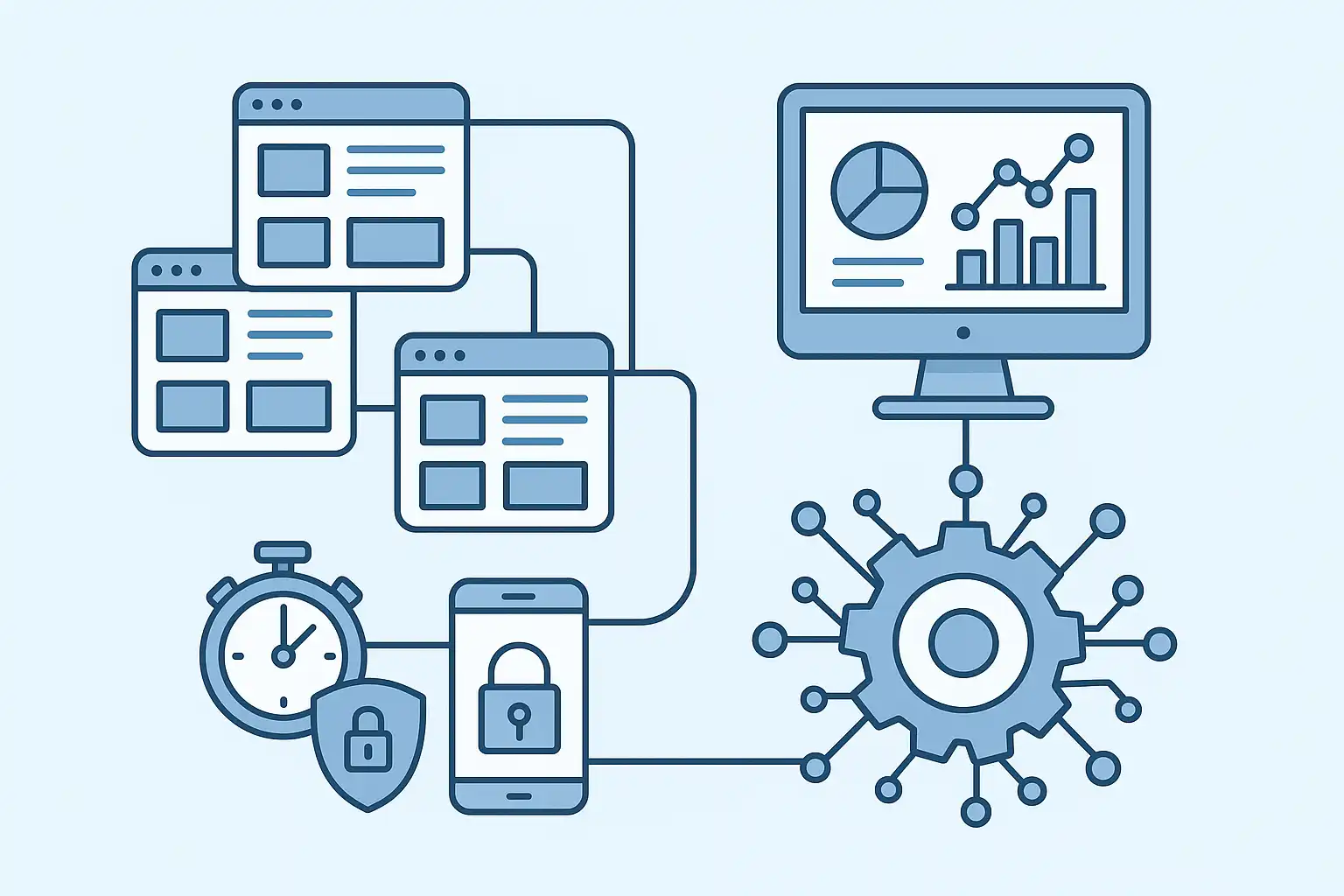
The 2025 SEO Content Optimization Guide emphasizes a holistic approach combining technical SEO, quality content, and user experience. Key strategies include in-depth keyword research focused on user intent, creating comprehensive, original articles with clear structure, and using credible sources. Technical elements such as site speed, mobile-first design, core web vitals, structured data, and secure hosting are essential. Internal and external linking boost authority and site navigation, enhancing SEO performance. AI-powered tools like MarketMuse aid in keyword discovery, content planning, and performance monitoring, complementing human editorial oversight. Continuous improvement through regular content audits, analytics tracking, and updates ensures sustained organic growth. Important metrics include organic visibility, user engagement, conversions, content effectiveness, and technical health. Best practices recommend publishing fewer, high-quality in-depth posts over numerous short ones, incorporating visuals with descriptive ALT text, and maintaining a clear content structure for readability. Regularly updating content every six months keeps it relevant and authoritative. Overall, integrating strategic keyword use, technical optimization, AI tools, and ongoing data-driven refinement drives lasting SEO success.

Entry-Level Content Strategy Course Online: Enroll Now and Start Your Journey
Enroll in an entry-level content strategy course online to gain essential digital marketing skills for beginners. These courses cover copywriting, editing, SEO, content planning, analytics, and teamwork, equipping you to create, manage, and measure effective content. Flexible and self-paced, they suit recent graduates, career switchers, freelancers, and small business owners. Key benefits include mastering tools like Google Docs and Trello, understanding audience research, and earning professional certificates that boost your resume and credibility. Top courses offer practical assignments, recognized credentials, updated materials, and mentorship opportunities. With the growing demand for skilled content strategists, now is the ideal time to start learning and advance your career. No prior experience is needed, and you can apply your skills immediately to real projects or freelance work. Choose courses that combine theory with hands-on practice to build a strong foundation for long-term growth in digital marketing and content strategy.

Personalized Content Examples That Increase ROI
Personalized content significantly boosts ROI by delivering tailored marketing messages based on customer data such as browsing history, past purchases, and demographics. This approach enhances engagement, conversions, and customer loyalty by making audiences feel valued and understood. Effective personalized content includes email customization, dynamic website elements, product recommendations, personalized landing pages, interactive quizzes, chatbots, and customized video messages. Leading brands like Netflix, Amazon, and Spotify leverage these techniques to increase sales and user retention. To start personalizing, businesses should collect accurate customer data, segment their audience, use available tools like Mailchimp or Shopify, and continually test and optimize content. Challenges include maintaining data quality, ensuring privacy compliance, and managing resources, which can be addressed by regular data updates, transparency, and starting with simple personalization. Measuring success involves tracking metrics like open rates, conversion rates, time on page, and customer satisfaction using tools such as Google Analytics and CRM platforms. Integrating personalization into an overall content strategy with clear goals and A/B testing maximizes its impact. Personalization benefits various industries and does not require advanced technology initially. When done respectfully and transparently, personalized marketing enhances customer experience without feeling intrusive.

Creating Digital Content Planning Made Simple: A Clear Step-by-Step Guide
Creating digital content planning is essential for organizing what, when, and how you publish online to achieve your goals. It helps save time, boost engagement, and build a consistent brand voice. Start by setting clear goals, understanding your audience, brainstorming ideas, choosing channels, and building a content calendar. Utilize tools like Trello, Asana, and scheduling apps to streamline the process. Common content types include blog posts, social media updates, videos, podcasts, and newsletters, each serving different purposes. Simplify planning by batching work, using templates, automating posts, repurposing content, and monitoring trends. Measure success through website visits, engagement metrics, and conversions, adjusting your strategy accordingly. Flexibility is vital to adapt to new opportunities and trends. Beginners should start small, balancing planned and spontaneous content, and plan at least a month ahead depending on the platform. Regularly update your plan based on insights and changing needs to maintain relevance and effectiveness.

Storytelling Content Marketing That Sells: How Stories Drive Results
Storytelling content marketing transforms brand messages into engaging narratives that build trust, evoke emotions, and drive sales. Unlike plain facts, stories create memorable experiences that connect deeply with audiences, enhancing brand loyalty and conversion rates. Effective storytelling integrates authenticity, clear messaging, emotional appeal, audience insight, visual-verbal harmony, and a consistent brand narrative. Brands like Nike and Apple use relatable stories to boost recall and influence purchases. To implement storytelling, define your core brand story, understand customer personas, map the buyer’s journey, choose appropriate channels, and use content calendars for consistency. Incorporate interactive elements and continuously track engagement and sales to optimize results. Tools like Canva, Hootsuite, and SurveyMonkey support content creation and distribution. Current trends include immersive tech, personalization, user-generated content, and social responsibility storytelling. Success is measured through engagement metrics, conversion rates, brand sentiment, and customer loyalty. While storytelling increases trust and sales, challenges include required planning, audience research, and authentic execution. Small businesses can effectively leverage storytelling by sharing honest, relevant experiences that resonate with their community. Regularly integrating stories across marketing channels fosters lasting emotional bonds and drives business growth.

Microcontent on Social Platforms Examples That Inspire
Microcontent—short, engaging posts like quick tips, videos, GIFs, memes, and infographics—boosts brand engagement on social platforms by delivering instant value in under 30 seconds. Effective microcontent is visually appealing, emotionally resonant, and tailored to each platform’s audience, such as TikTok’s short videos, LinkedIn’s professional infographics, Twitter’s snappy text and GIFs, and Facebook’s relatable memes. Key factors driving microcontent success include clarity, shareability, relatability, visual strength, and brevity. Brands like Graham Stephan, Hiveage, and Zach King exemplify how concise, creative content inspires and captivates viewers. To create impactful microcontent, focus on a single idea, use eye-catching visuals, evoke emotions, instill urgency, and include strong calls to action, all while fitting the platform’s style. Leveraging tools like Canva, CapCut, and GIPHY can streamline content creation, especially for small businesses with limited budgets. Posting consistently—around 3 to 5 times weekly—and monitoring analytics helps optimize reach and engagement. While trends and memes can boost visibility, they must align with brand voice to avoid missteps. Overall, microcontent is essential in 2024’s fast-paced digital landscape, enabling brands to connect authentically and effectively with audiences across diverse social channels.

Boosting Organic Reach with Content Social Media Tactics: Practical Methods for Real Results
Boosting organic reach on social media requires strategic content creation, platform selection, and consistent engagement without relying on paid ads. Key tactics include focusing on high-quality, original posts, leveraging trends, showcasing products in action, and actively interacting with your audience to encourage sharing and saves. Scheduling posts at optimal times based on audience activity and using management tools enhances visibility and maintains consistency. Choosing the right platforms aligned with your target audience—such as LinkedIn for professionals or Instagram and TikTok for visual content—maximizes impact. Diversifying content types like videos, infographics, user-generated content, and interactive posts further drives engagement. Measuring success through metrics like impressions, engagement rate, follower growth, and website clicks helps refine strategies. Employee advocacy and community involvement add authenticity and expand reach to new audiences. Personalizing content for specific segments boosts relevance and connection. Practical steps include understanding your audience, selecting 1-3 platforms, creating a content calendar, scheduling posts, engaging actively, experimenting with formats, and adjusting based on analytics. Consistency and patience are essential for lasting organic growth, which complements paid ads by fostering trust and deeper relationships. Using social media tools enhances efficiency and results, making organic reach a vital component of effective social media marketing.

Best Competitor Content Strategy Analysis Tools (2026)
Competitor content strategy analysis tools are essential for businesses aiming to outperform rivals by revealing insights into SEO, content, social media, and paid ads. These tools gather and analyze competitor data, highlighting top-performing content, keywords, backlinks, traffic sources, and audience engagement. By identifying content gaps and high-impact strategies, businesses can refine their own marketing efforts and stay competitive. Key features to look for include keyword tracking, backlink analysis, social media metrics, ad intelligence, AI-driven content optimization, and customizable reporting. Popular tools like Moz Pro, Ahrefs, Semrush, BuzzSumo, and MarketMuse cater to different business sizes, from startups to enterprises, offering scalable pricing and features. Effective use involves defining goals, selecting appropriate tools, analyzing competitors’ content and campaigns, tracking progress, and sharing insights with teams. These platforms provide actionable, real-time data and AI recommendations to enhance SEO and social strategies, helping users adapt quickly to market changes. Regular monitoring, even weekly in fast-paced industries, ensures timely adjustments. Designed for ease of use, many tools support both SEO and social media analysis, making them valuable for comprehensive competitor benchmarking. Ultimately, these tools empower businesses to create targeted, high-quality content that fills market gaps and drives growth.

Creative Local Content Marketing Ideas for Restaurants to Try
This article offers creative local content marketing ideas tailored for restaurants aiming to attract nearby customers and build community loyalty. It emphasizes the importance of sharing authentic, engaging stories that highlight local ingredients, suppliers, events, and customer experiences. Key strategies include featuring farm-to-table origins, celebrating local festivals, encouraging user-generated content, showcasing behind-the-scenes moments, and partnering with local influencers and charities. Effective platforms include social media (Instagram, Facebook, TikTok), Google Business Profile, email newsletters, in-restaurant displays, and local media outlets. Measuring success involves tracking increased foot traffic, social engagement, new reviews, and newsletter sign-ups. Consistency in posting (2-3 times weekly) and refining content based on audience response are crucial. Small restaurants can compete with larger chains by leveraging unique local stories and authentic connections without requiring a big marketing budget. Encouraging customers to share their experiences through branded hashtags or small rewards fosters trust and community engagement. Overall, local content marketing strengthens a restaurant’s reputation, improves online visibility, and drives loyal patronage by connecting deeply with the neighborhood.
Content for Different Buyer Journeys on eBay That Sell
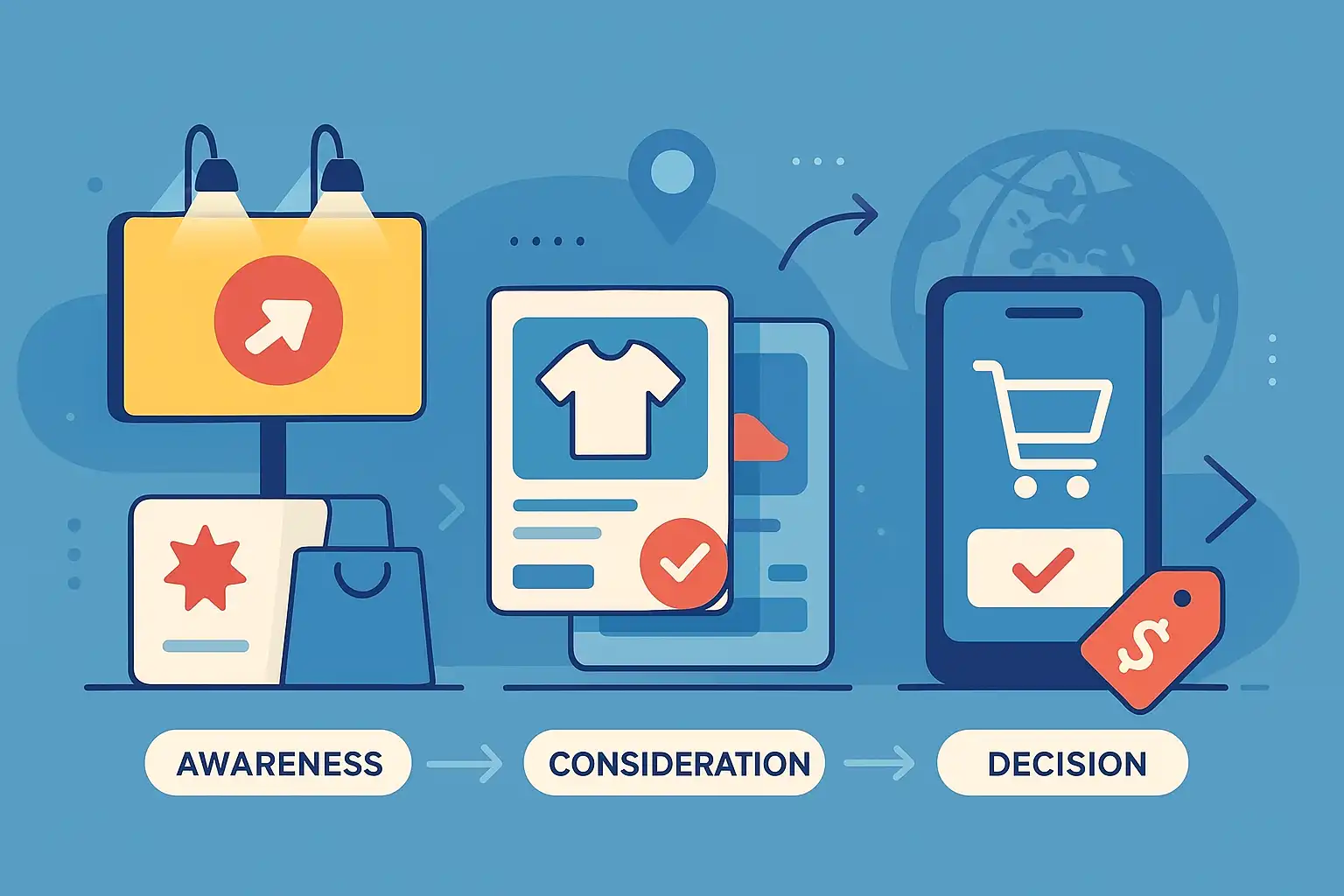
To succeed on eBay, sellers must tailor content to different buyer journey stages: awareness, consideration, and decision. During awareness, focus on clear, keyword-rich titles, high-quality visuals, localized language, and brand storytelling to capture attention. In the consideration phase, provide detailed descriptions, multiple images, videos, and address buyer concerns to build trust. For the decision stage, ensure pricing clarity, strong calls to action, social proof via reviews, and simple purchase instructions. Using journey-specific content enhances eBay SEO by matching buyer intent, improving search rankings, clicks, and conversions. Localization is vital for global sales, adapting content beyond translation to include local customs, payment methods, and cultural references. Sellers should monitor key metrics like impressions, time on listing, and cart abandonment to refine content continuously. Regular updates keep listings relevant amid market changes. Additionally, well-crafted eBay content can be adapted for other platforms like Shopify or Amazon with adjustments for each marketplace’s audience. Implementing these strategies boosts buyer engagement, trust, and ultimately, sales on eBay.