content strategy

SEO Content Tips to Rank and Convert
Unlock higher rankings and conversions with these essential SEO content tips. Start by deeply understanding your audience’s search intent through targeted keyword research in their preferred language. Localize your content by using region-specific keywords, culturally relevant examples, and engaging, formal language. Focus on delivering high-quality, up-to-date, and actionable content supported by accurate information, clear headings, bullet points, and relevant visuals with descriptive alt text. Structure your articles for easy navigation and mobile-friendliness, as mobile searches dominate in many regions. Optimize on-page elements, including page titles, meta descriptions, headings, image alt text, and internal links. Build trust and boost conversions by featuring authentic social proof such as customer reviews in the audience’s language. Ensure a fast, user-friendly website by prioritizing mobile-first design, Core Web Vitals, structured data, and local domains. Use natural keyword placement, directly answer user questions, and include persuasive calls to action. Keep business details consistent and update content regularly to maintain relevance and authority. Avoid common SEO mistakes like keyword stuffing, thin content, and neglecting mobile optimization. Plan your content strategically with clear outlines, logical structure, and regular reviews to consistently achieve top rankings and high conversion rates.
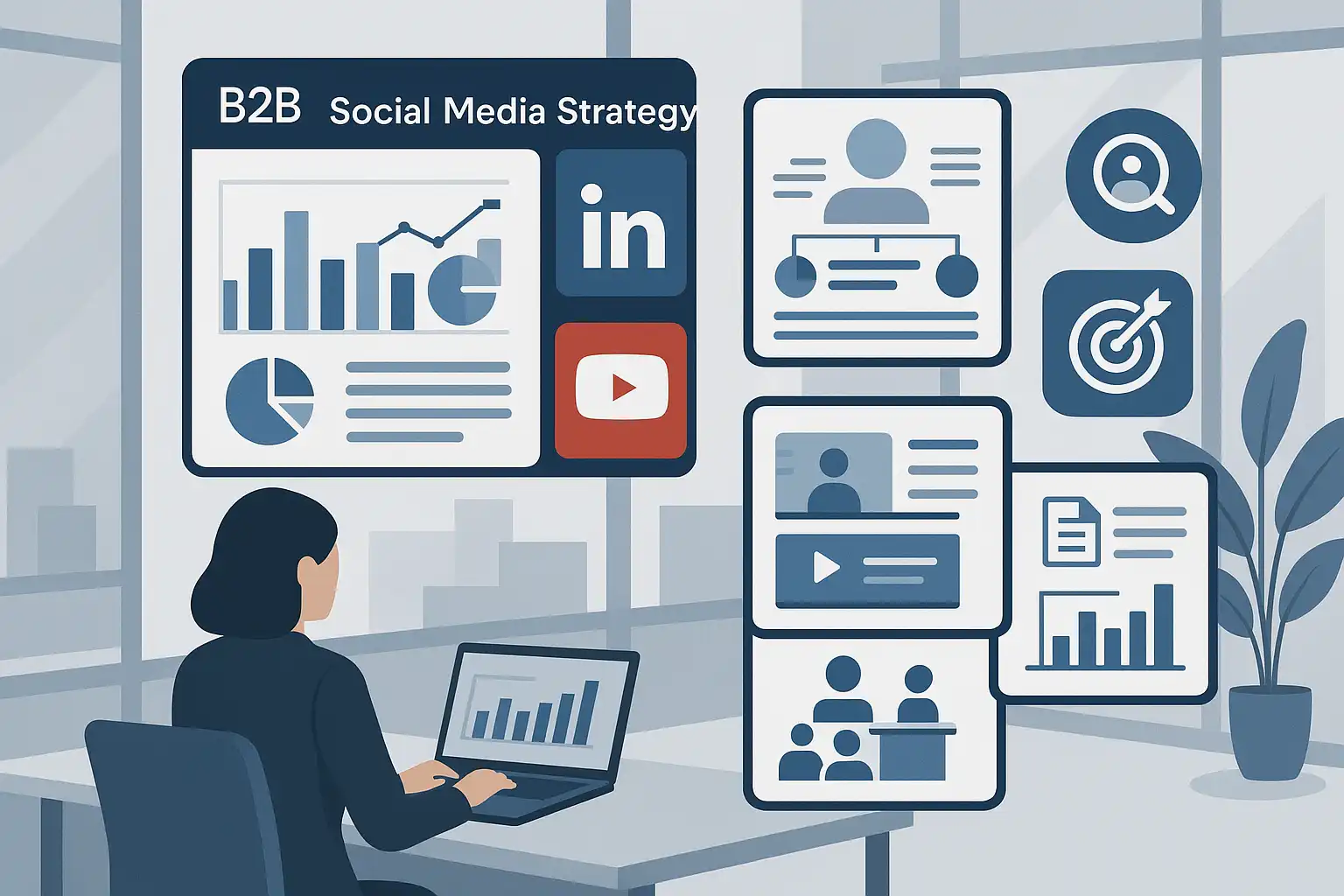
B2B Social Media Strategy Example That Wins Leads
A winning B2B social media strategy focuses on clear, measurable goals, audience targeting, and value-driven content to consistently generate leads. Start by identifying your ideal customer—especially decision-makers—through research and analytics. Prioritize platforms like LinkedIn for its business audience and targeting capabilities, but consider supplementing with Facebook, X (Twitter), Instagram, or YouTube based on where your audience engages. Use a content mix including educational posts, industry insights, case studies, webinars, and behind-the-scenes stories to build trust and authority. Combine organic engagement with targeted paid promotions, boosting high-performing posts to reach key decision-makers efficiently. Regularly benchmark against competitors using analytics tools, and track key metrics such as engagement rates, lead conversions, and ROI to refine your approach. Encourage employee and executive participation to extend reach and credibility. Consistent analysis and optimization ensure your strategy adapts to what resonates most, maximizing qualified lead generation. For best results, blend organic and paid tactics, post at least three times per week, and focus on content types that solve audience problems and drive interaction. This proven approach can double lead generation when executed strategically and monitored closely.

Content Trends Shaping the Next Year: What to Expect and How to Adapt
Key content trends shaping the next year include the rise of new social platforms like BlueSky and Threads, an increased focus on employee-generated content for authenticity, a shift from large influencers to building loyal communities, and the integration of AI for content creation, personalization, and campaign automation. Generative AI search is transforming SEO, making Generative Engine Optimization (GEO) essential for visibility. Brands are encouraged to refresh and repurpose older content, blend human and AI-generated materials, promote employee advocacy, and invest in community building. Technologies such as AI-powered analytics, real-time chatbots, voice and visual search, and advanced scheduling tools are driving innovation. However, maintaining a human touch—unique storytelling, emotional resonance, and ethical decision-making—remains vital for brand differentiation. To stay ahead, businesses should optimize content for conversational queries, educate teams in AI and digital strategy, and adapt to the growing importance of social search and emerging audience values. Regularly updating existing assets and leveraging employee voices can boost trust, engagement, and search rankings in the evolving digital landscape.

Sales Funnel Optimization: Boost Conversions Now
Sales funnel optimization is a strategic process that enhances every stage of the customer journey to maximize conversions and revenue. By analyzing each funnel step—Awareness, Interest, Desire, Action, and Re-engagement—businesses can identify and fix bottlenecks, improve user engagement, and reduce customer drop-off. Key tactics include targeted SEO, engaging content, email segmentation, personalized communication, social proof, streamlined checkouts, and loyalty programs. Effective optimization relies on data-driven decisions: track critical metrics like conversion rate, CTR, CPA, LTV, AOV, and engagement rate using tools such as Google Analytics, Hotjar, and Unbounce. Regular A/B testing and behavior analysis help refine messaging and user experience for higher performance. Address common challenges by fostering teamwork, staying adaptable, and continuously monitoring results. Ultimately, sales funnel optimization not only increases sales but also builds lasting customer relationships and brand advocacy. For ongoing success, review your funnel regularly, leverage analytics to drive improvements, and use content that nurtures prospects at every stage, ensuring long-term business growth.

What Is Educational Content? 15 Examples & Ideas to Steal
Educational content is purpose-driven material designed to help learners acquire new skills, knowledge, or attitudes, with clear learning objectives and a structured approach. Unlike generic online content, educational resources focus on learner needs, logical organization, assessment, adaptability, and interactivity. Formats range from articles, how-to guides, and infographics to video lessons, quizzes, podcasts, gamified resources, and immersive VR/AR modules, catering to diverse learning preferences. To create engaging educational content, set clear objectives, encourage interaction, use multimedia, maintain relevance, ensure accessibility, and leverage technology for personalization and analytics. Digital educational content offers key benefits: accessibility, flexibility, up-to-date information, interactivity, cost-effectiveness, and data-driven improvements. Adaptive learning technologies personalize the experience, enhancing effectiveness for all skill levels. Effective educational content aligns with audience needs, focuses on outcomes, incorporates assessment, and promotes active participation and inclusion. Brands, teachers, and creators can use educational content not only for teaching but also to build credibility and engage audiences. Innovative ideas include scenario-based learning, gamification, collaborative projects, and multimedia integration. Choosing the right format depends on your audience and their preferences, with adaptive and accessible content ensuring broad impact and engagement.

Effective Social Media Content Strategies for Growth
Effective social media content strategies are essential for brand growth and audience engagement. Successful strategies focus on building relationships by delivering value-driven, authentic, and visually appealing content that entertains, informs, and connects with followers. Consistency, adaptability to trends, and encouraging engagement are key for maximizing impact. To plan an effective social media strategy, define clear goals, understand your audience, select the right platforms, create a diverse content calendar, and monitor results with analytics. High-performing content types include short videos, stories, image posts, educational carousels, live streams, and user-generated content. Maximize reach by using platform-specific features, posting at optimal times, collaborating with others, and interacting with your community. Measure success through engagement rates, reach, follower growth, click-throughs, and conversions. Avoid common mistakes such as inconsistent posting, ignoring feedback, and overpromoting. Streamline your workflow with scheduling tools, graphic design apps, and analytics platforms. For optimal results, review your strategy monthly and prioritize quality and consistency over quantity. Organic growth is achievable through regular, engaging content and community involvement, while paid ads can accelerate results but aren’t essential.

Personalized Content That Delights and Converts
Personalized content tailors digital experiences to individual user preferences, behaviors, and needs, making every visitor feel valued and understood. This strategy enhances engagement, builds trust, and significantly increases conversion rates, as users are more likely to interact with content that resonates with them. Key types include personalized emails, dynamic website elements, product recommendations, customized offers, and chatbot messaging. Major brands like Amazon and Netflix excel at this, but even small businesses can leverage personalization using data collection, audience segmentation, and smart automation tools like Mailchimp, HubSpot, and Shopify. Best practices involve respecting user privacy, keeping content relevant, and continuously optimizing based on analytics. Benefits include increased user engagement, loyalty, higher sales, and a competitive edge, while challenges involve data privacy, technical complexity, and ongoing content management. Success is measured by metrics such as click-through rates, conversions, and customer satisfaction. The future of personalized content lies in AI-driven recommendations and omnichannel experiences, but maintaining transparency and empathy remains crucial. Personalized content, implemented thoughtfully, is a powerful way to delight audiences and drive business growth.

How to Write Storytelling Content That Resonates
To write storytelling content that resonates, focus on clarity, relatability, and emotional connection. Start with a clear main message and develop real, relatable characters facing genuine challenges. Use a proven structure like the S.O.A.R. framework: Situation, Obstacle, Action, and Resolution, ensuring each element connects back to your core theme. Engage readers with sensory details, active voice, and authentic emotion to make your story memorable and impactful. Keep stories concise, relevant, and tailored to your audience, using plain language for maximum accessibility. Integrate SEO naturally by weaving core keywords—like “how to write storytelling content”—into headings and content without disrupting flow or authenticity. Use storytelling in all fields, including business and technical writing, to illustrate concepts and inspire action. Enhance delivery with expressive language, varied tone, and interactive elements. Measure your story’s impact through audience engagement and feedback, refining your approach as needed. Short, purpose-driven stories can be as powerful as longer narratives if they evoke emotion and align with your message. Avoid unnecessary complexity, irrelevant details, and forced keywords to ensure your storytelling content captivates and converts.
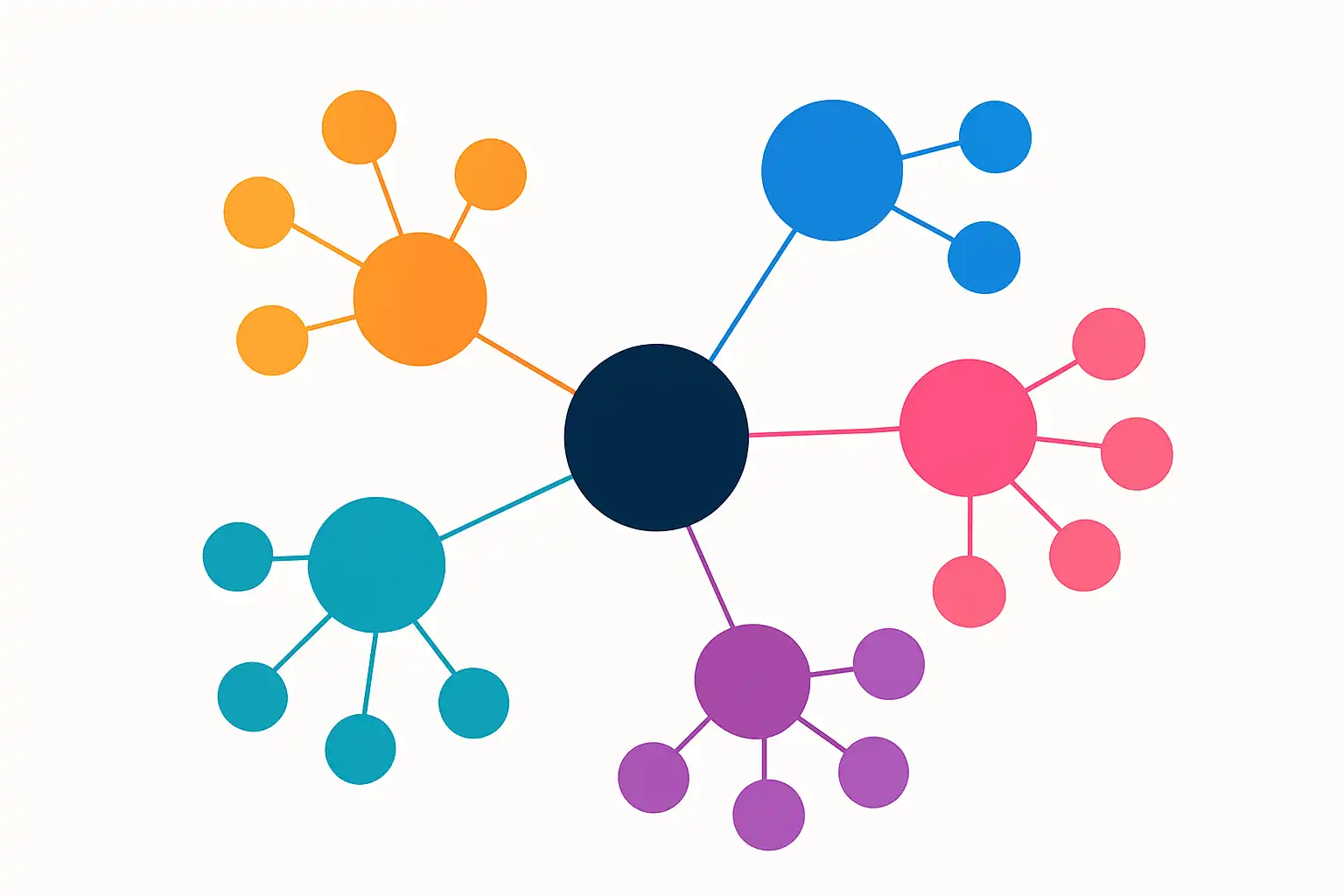
Topical Authority Map: Build Relevance Fast for Your Website
A topical authority map is a strategic content blueprint that organizes your website’s articles around a core subject, breaking it into structured subtopics and supporting clusters. This approach rapidly builds trust and visibility with both search engines and users by demonstrating expertise, comprehensive coverage, and logical internal linking. Unlike traditional content plans, a topical authority map visually outlines how each pillar and cluster supports your main topic, making it easier for visitors to navigate and for Google to recognize your site as an authoritative resource. To create a topical authority map, define your main topic, research high-potential subtopics, group them into clusters, craft in-depth pillar pages, interlink related content, and regularly monitor and update your structure. Tools like Semrush, Google Search Console, and backlink analytics can streamline research and performance tracking. The benefits include faster relevance, improved rankings, enhanced user experience, and easier content management. This method is adaptable for any niche or website size, helping both new and established sites boost organic traffic and authority. By focusing on thorough, interconnected content and updating clusters as trends evolve, you position your website as a go-to resource in your field.

What Is Audience Research in Media? A Simple Guide with Examples
Audience research in media is the process of studying and understanding the habits, preferences, and behaviors of people who consume media content, such as TV, radio, newspapers, and digital platforms. This research helps media companies, marketers, and content creators identify their target audience, determine what content or products will appeal to them, and make smarter, data-driven decisions. Audience research is conducted using primary methods like surveys, interviews, focus groups, observation, web analytics, and social media analytics, as well as secondary methods such as analyzing existing reports and academic studies. Both quantitative (numerical data) and qualitative (insights into motivations and opinions) approaches are used. The insights gained help organizations develop engaging content, choose optimal channels and schedules, tailor products and advertising, and improve overall strategy. While audience research offers advantages like increased engagement, effective targeting, and resource optimization, challenges include time, cost, and potential data inaccuracies. Common tools include Google Analytics, SurveyMonkey, Brandwatch, and Nielsen. Regular audience research is essential for staying relevant and competitive in a rapidly evolving media landscape.