Saied

What Is Content Planning: A Clear, Simple Answer
Content planning is the process of organizing, scheduling, and managing the creation and distribution of content to ensure consistency and achieve business or personal goals. Essential for SEO and online success, content planning involves setting clear objectives, identifying target audiences, researching topics and keywords, establishing an editorial calendar, creating briefs, producing optimized content, promoting it, and measuring results. Effective content planning ensures every piece has a purpose, aligns with brand messaging, reaches the right audience, and maintains a steady publishing schedule, while facilitating team collaboration and data-driven improvements. Key tools for content planning include keyword research platforms (Ahrefs, SEMrush), editorial calendars (Asana, Trello), content brief creators (Frase), collaborative writing tools (Google Docs), and analytics (Google Analytics). While content planning requires regular updates and commitment, its benefits include improved organization, stronger branding, enhanced SEO, and measurable results. Content planning differs from content strategy: strategy defines the “why” and “who,” while planning focuses on “what,” “how,” and “when.” Whether for businesses, bloggers, or social media managers, content planning provides the structure needed for consistent, impactful, and goal-oriented content.

Content Goals for Ecommerce Website: Set, Track, and Win
Setting effective content goals is essential for ecommerce website growth and success. Key objectives include attracting more visitors through SEO and engaging content, increasing conversion rates with persuasive and relevant information, reducing bounce and cart abandonment rates, growing email subscribers, and improving customer satisfaction. Use the SMART method—Specific, Measurable, Attainable, Relevant, and Time-bound—to create actionable goals aligned with broader business targets. Track performance with tools like Google Analytics, ecommerce platform reports, heatmaps, email dashboards, and SEO trackers to monitor traffic, conversions, and user behavior. Optimize your content by targeting strategic keywords, regularly updating information, streamlining the buyer journey, leveraging reviews and testimonials, personalizing recommendations, educating customers, and ensuring a seamless mobile experience. Consistently review and adjust your goals based on analytics and customer feedback. Promote top content across multiple channels and empower your team with the right tools and technology. By focusing on these strategies, ecommerce sites can boost high-quality traffic, lower abandonment rates, increase loyalty, and drive repeat sales, ensuring ongoing content performance and business growth.

Video Marketing Strategy Course: Learn to Grow with Video
A video marketing strategy course empowers individuals and businesses to harness the power of video for brand growth and audience engagement. Designed for all skill levels, these courses teach you how to plan, create, distribute, and optimize videos that achieve specific business goals—no prior experience needed. Key topics include defining marketing objectives, understanding target audiences, selecting effective video types, building a content calendar, mastering video SEO, and employing cross-channel promotion. You’ll also learn to analyze video performance using tools like YouTube Analytics and Google Analytics, and stay current with trends such as AI-powered video creation and interactive content. The benefits of a structured approach include higher engagement, better conversion rates, improved search rankings, and stronger brand recall. Practical skills gained cover video planning, scriptwriting, editing, campaign management, and adapting to new technologies. Courses focus on actionable strategies, hands-on assignments, and real-world case studies, enabling you to launch impactful video campaigns—even with minimal equipment. Whether you’re a business owner, marketer, or creative, a video marketing strategy course equips you with essential skills to boost your brand, connect with your audience, and drive measurable results in today’s video-dominated digital landscape.
Funnel Optimization Strategies: Convert More at Every Stage
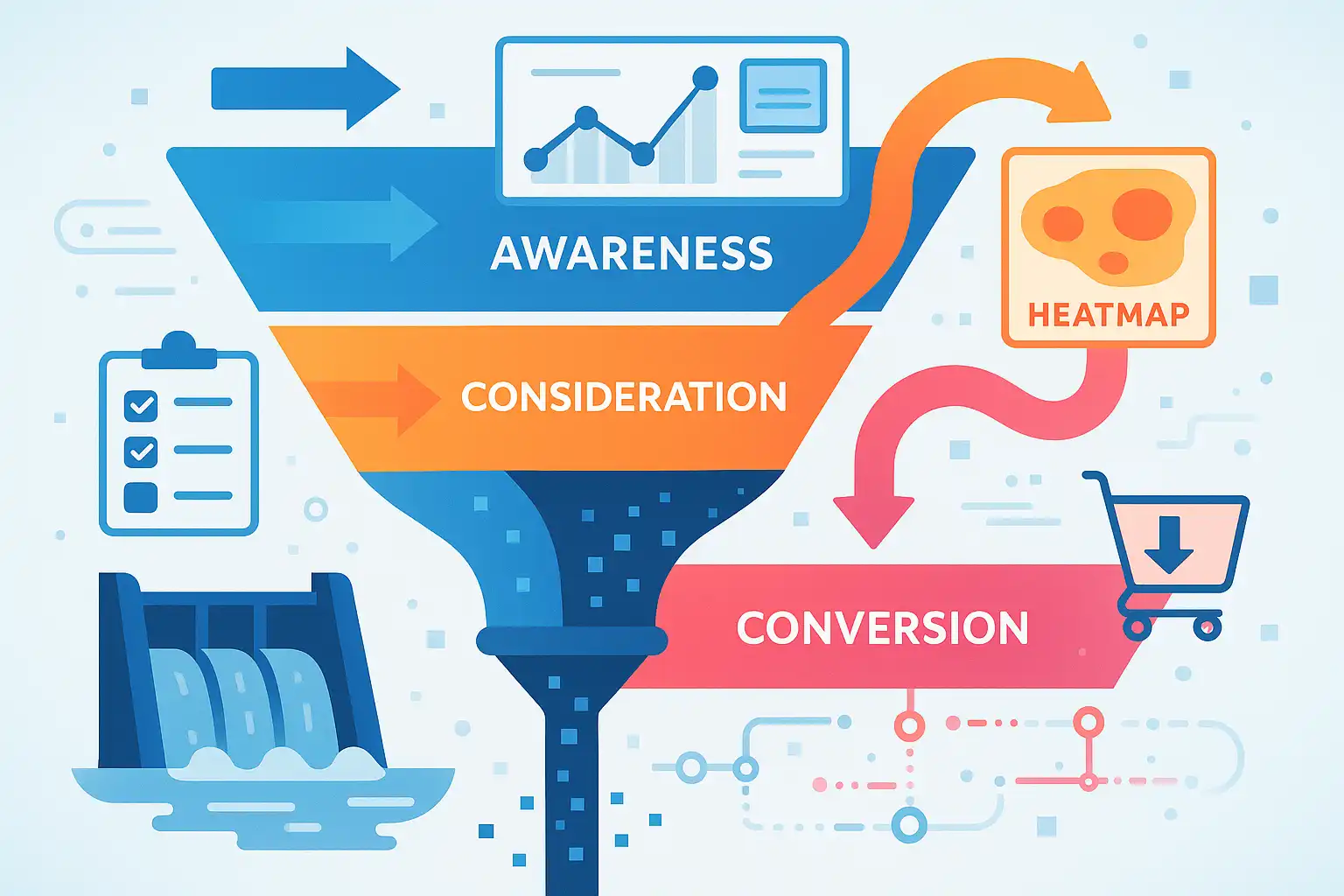
Funnel optimization strategies are crucial for converting more prospects into loyal customers at every stage of the marketing funnel: Awareness (TOFU), Consideration (MOFU), and Conversion (BOFU). Effective optimization involves identifying and fixing bottlenecks through customer journey mapping, funnel analytics, heatmaps, session replays, and user feedback. At each stage, tailor your approach—clarify messaging and optimize acquisition for awareness, use surveys and content for consideration, and simplify forms and build trust for conversion. Leverage tools like Google Analytics, Mixpanel, Hotjar, and SurveyMonkey to analyze behavior and improve conversion rates. Track key metrics such as conversion rates, cost per acquisition, and bounce rates, reviewing them regularly for trends and improvements. Avoid common mistakes like neglecting mobile optimization, overcomplicating user journeys, and failing to test changes. Combining quantitative data with qualitative insights ensures you address real user concerns and continuously refine your funnel. Leading brands use these strategies to reduce drop-offs, increase engagement, and drive business growth.
Repurposing Examples: Smart Ways to Reuse Content
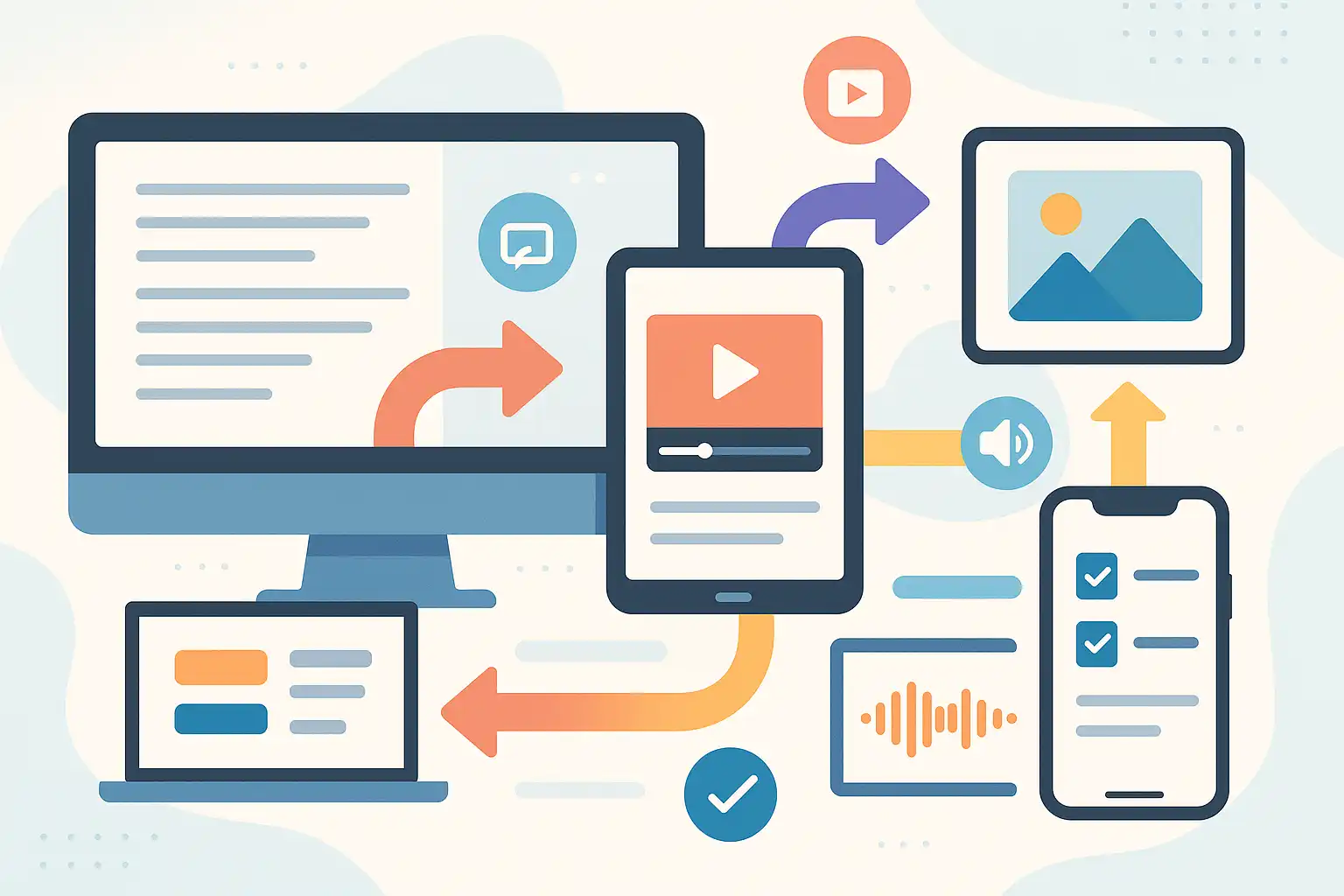
Repurposing content is a strategic way to maximize the value of your existing materials by transforming them into various formats such as videos, infographics, blog posts, and social media snippets. This approach extends content lifespan, boosts SEO by targeting multiple keywords, and broadens your audience reach across different platforms. Effective repurposing examples include turning blog posts into videos, converting webinars into articles, and breaking down case studies for use across emails and social channels. Businesses should start with a core message, adapt it for each platform, and track performance to refine their strategy. Key benefits include improved engagement, consistent messaging, resource savings, and enhanced brand visibility. Evergreen content, webinars, and case studies are ideal for repurposing, especially when focusing on high-performing assets. Success can be measured by monitoring traffic, engagement, SEO rankings, leads, and content longevity. Tools like Canva, Descript, Hootsuite, and Otter.ai streamline the process, making it efficient and scalable. Repurposing is especially valuable for small businesses, allowing them to compete with larger brands and maintain a strong online presence without creating everything from scratch.
B2B Content Strategy Framework: A Simple Guide
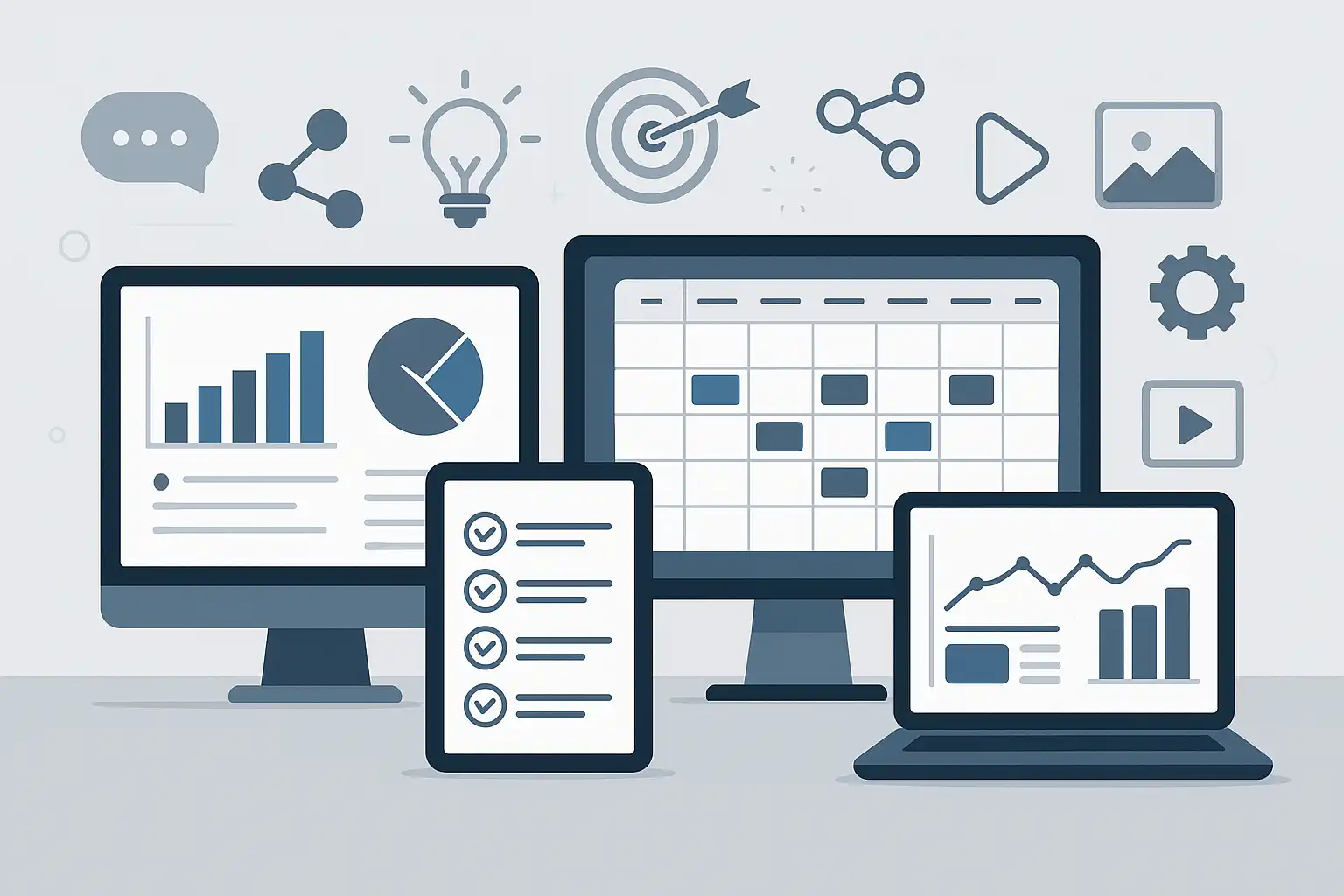
A B2B content strategy framework is a structured plan that aligns your content efforts with business goals and audience needs, ensuring consistency, effectiveness, and measurable results. Key components include setting SMART goals, developing detailed buyer personas, mapping the buyer’s journey, maintaining a consistent brand voice, conducting regular content audits, planning with an editorial calendar, and measuring performance using analytics tools. Content types such as blog posts, case studies, whitepapers, templates, webinars, and newsletters serve specific purposes like lead generation, education, and audience engagement. To measure ROI, track conversions, search rankings, and engagement against your goals, and calculate returns compared to content investment. Regularly review and update your framework to adapt to changing business needs and market trends. Even small businesses benefit from a simple, documented strategy to improve collaboration and maximize results. Start small, leverage available tools, and continuously refine your approach for ongoing improvement and business growth.

Entry-Level Content Strategy Course Houston: Start Your Career
An entry-level content strategy course in Houston is ideal for beginners or career changers seeking to build a foundation in digital marketing, copywriting, and online content management. These courses cover essential skills such as editorial calendar creation, user and audience research, SEO fundamentals, digital content planning, analytics, and collaboration. Students gain hands-on experience with industry-standard tools like Google Analytics, SEMrush, Hootsuite, and WordPress. Entry requirements are minimal—strong writing skills, curiosity, and some digital familiarity are often sufficient. Upon completion, graduates are prepared for roles such as content coordinator, junior strategist, or digital marketing assistant, and benefit from Houston’s diverse business environment and professional network. The program emphasizes both creative and technical abilities, helping students develop portfolios that appeal to employers across multiple sectors. The course typically lasts 8–12 weeks and includes live workshops, networking opportunities, and real-world projects. Whether you’re passionate about storytelling, analytics, or digital communication, an entry-level content strategy course in Houston offers a practical pathway to launch your career in this fast-growing field.
9 Tips to Boost YouTube Watch Time on Mobile
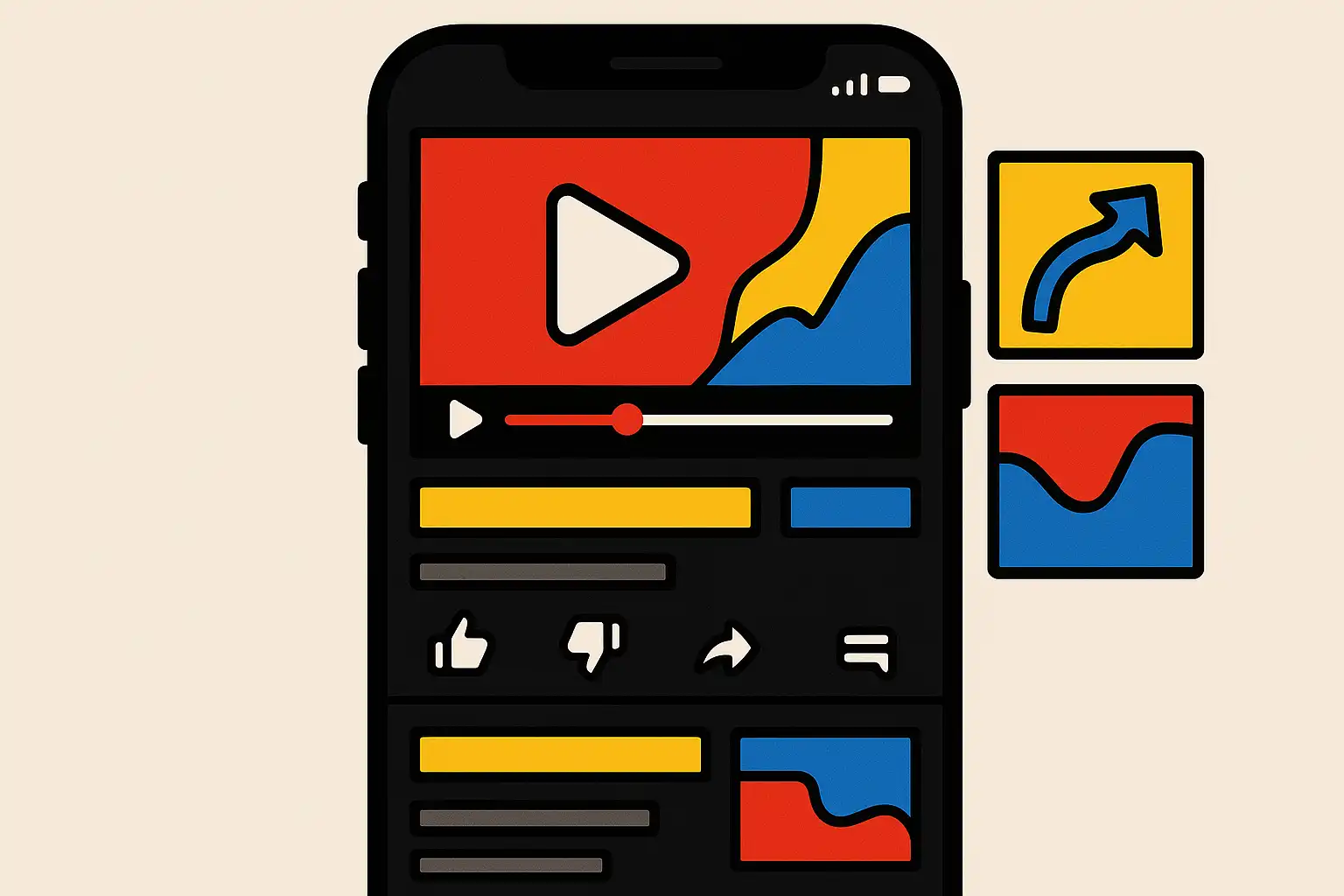
To maximize YouTube watch time among mobile audiences, creators must design mobile-friendly content tailored to smartphone users’ habits. Over 70% of YouTube’s watch time comes from mobile devices, making it essential to use bold visuals, concise messaging, and engaging intros that hook viewers within the first seconds. Structure videos with clear sections, smooth transitions, and large, readable text overlays for easy navigation on small screens. Prioritize short, engaging content, utilize on-screen indicators like progress bars, and optimize for vertical or square formats where appropriate. Encourage early interaction and use calls-to-action throughout your videos. Organize binge-worthy playlists with themed, keyword-rich titles and link related content using cards and end screens to boost session duration. Leverage YouTube analytics—such as average view duration, audience retention, and device demographics—to refine your approach and better serve mobile viewers. Use popular editing apps like CapCut, InShot, or Adobe Premiere Rush to ensure your videos are optimized for mobile consumption. By focusing on these strategies, you can increase mobile audience engagement, improve channel retention, and drive higher YouTube recommendations.