If you want more leads turning into loyal customers, understanding and applying the right sales funnel optimization strategies is essential. Effective funnel optimization means not just getting visitors but guiding them smoothly from first contact to purchase. Let’s look at proven ways to optimize your sales funnel and boost your conversion rates, starting with a quick overview of what truly works and why it matters.
What are the most effective sales funnel optimization strategies?
The most effective sales funnel optimization strategies share some core principles. First, you need to clearly define each stage of your sales funnel based on your business and customers. This isn’t about copying any generic template; it’s about understanding your actual buyers and what they need at each step. Second, focus your efforts with smart targeting. Identify your audience by specific demographics, interests, or behaviors, so you’re speaking directly to the right people. Third, create high-quality content that matches their intent—inform, inspire, and reassure as buyers move through the funnel.
Another vital aspect is to make your calls to action (CTAs) clear and compelling. A strong CTA tells a visitor exactly what you want them to do next, whether it’s downloading a guide, signing up for a newsletter, or making a purchase. At the same time, optimize your landing pages for speed, simplicity, and relevance. Remove distractions, keep forms short, and make sure the messaging matches your ads or emails that brought people there.
Importantly, simplify the sales process to avoid drop-offs. If the path to buying feels long or confusing, many potential customers will give up. Incorporate social proof like customer reviews or testimonials, which can build trust and tip the scales toward conversion. Use retargeting ads or email reminders to re-engage visitors who showed interest but didn’t finish the journey.
Finally, rely on continuous improvement. Run A/B tests to compare different headlines, layouts, or images, and use data analytics to track what’s working. Adapt your strategy as you spot new trends or bottlenecks. These are the pillars of Funnel Optimization for Conversions that consistently move the needle.
How can data analysis identify bottlenecks and improve your funnel?
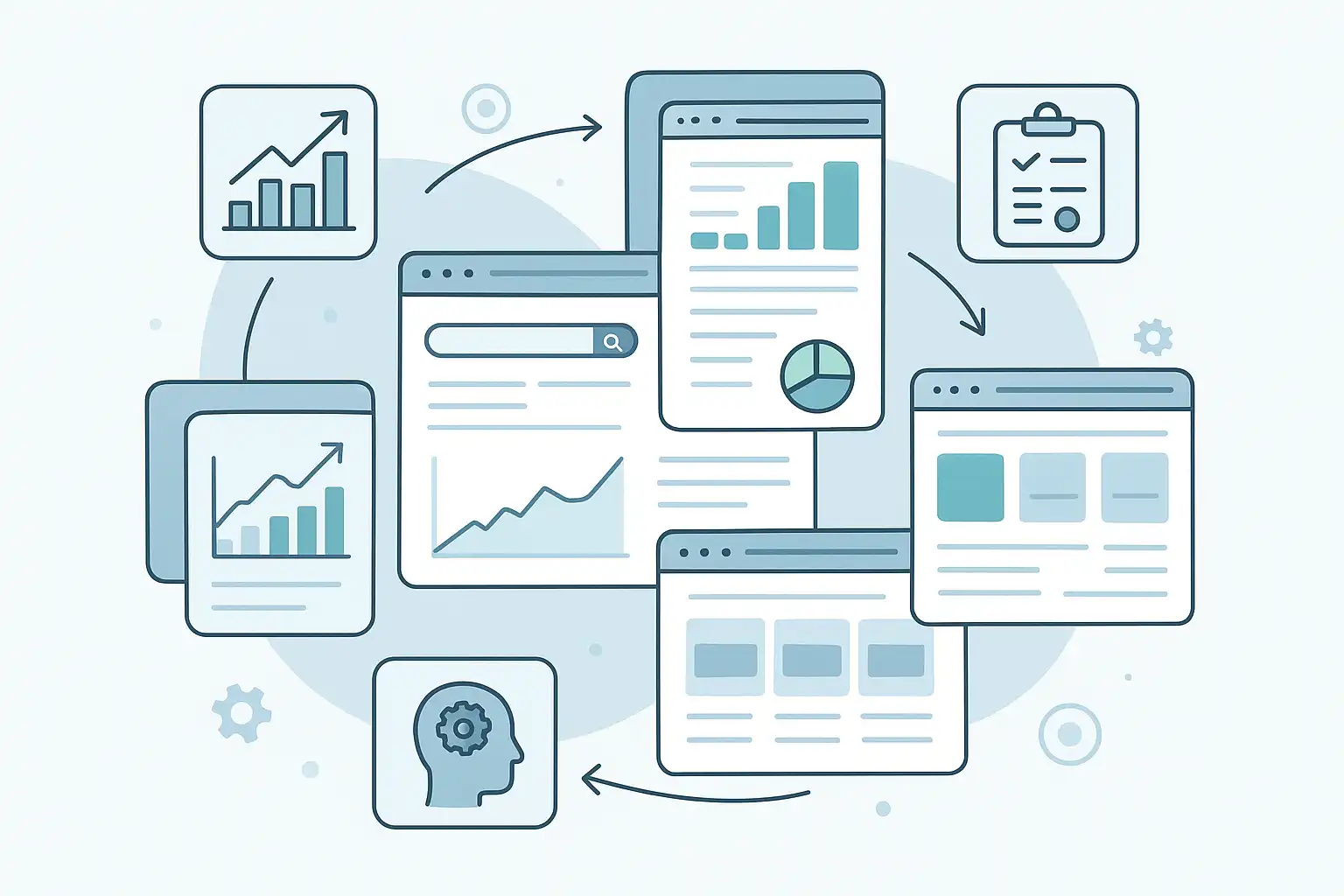
Data analysis is a powerful tool for sales funnel optimization. By carefully tracking what visitors do at each stage of your funnel, you quickly see where things are working—and where they’re not. Analytics platforms like Google Analytics, Hotjar, or HubSpot show you how many people enter each step, how many drop out, and what actions they take.
To spot bottlenecks, look for sharp drops in conversion rates between stages. For example, if lots of people click your ad but few fill out your signup form, the form may be too long or confusing. If visitors view your product page but don’t buy, maybe they need more information or reassurance. Data helps you focus your attention where it counts most.
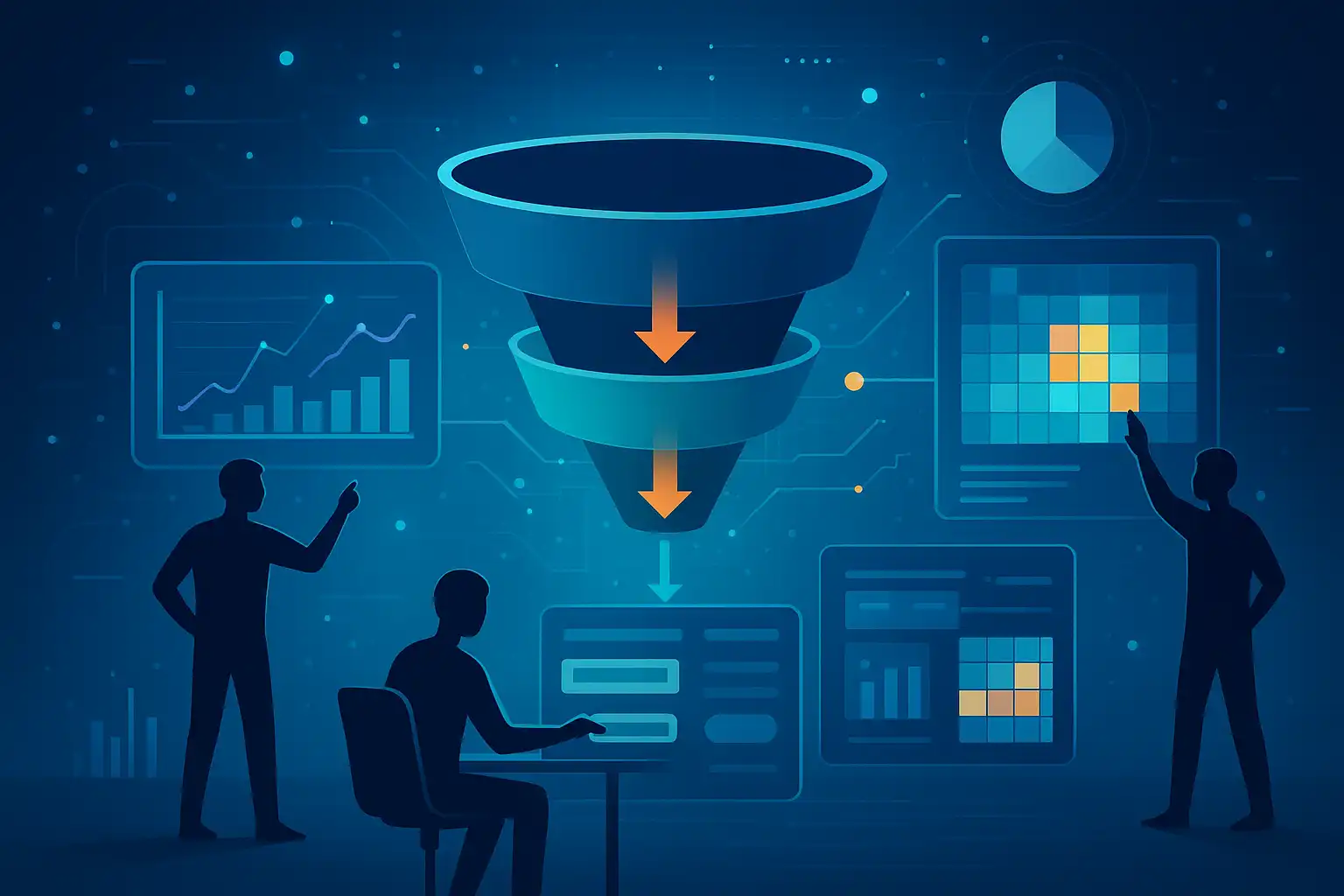
Once you identify a sticking point, try A/B testing a new version of that page or process. Change just one thing—like the headline, button color, or number of required fields—and see if conversions improve. Use heatmaps or session recordings to watch how people interact with your funnel. These tools reveal hidden pain points or distractions that might not show up in raw numbers alone. By taking a data-driven approach, you’re not guessing; you’re making smart, effective changes based on real evidence. Over time, this leads to higher conversion rates and a more profitable funnel.
What does a high-converting sales funnel look like?
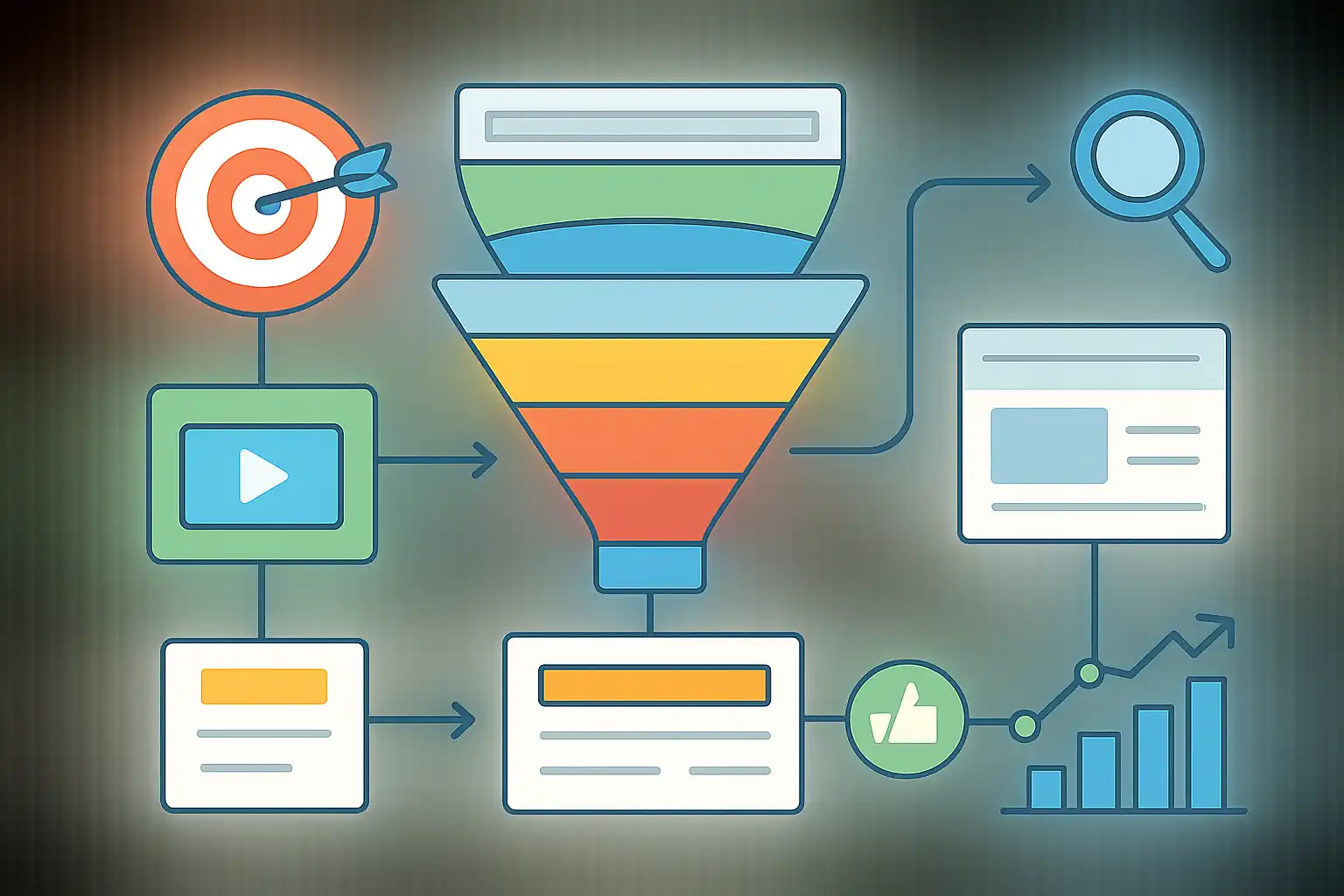
A high-converting sales funnel is clear, focused, and user-friendly at every turn. It starts by attracting the right visitors with targeted ads, social posts, or search-optimized content. At the awareness stage, you offer helpful resources—like blog articles, webinars, or guides—that address early questions or challenges.
Next is the interest stage, where you invite leads to engage more deeply—for example, by subscribing to your newsletter or watching a demo. This is your opportunity to nurture trust and showcase your expertise. The decision stage comes next, where leads evaluate solutions. Here, detailed product pages, pricing information, and customer reviews are crucial.
Finally, at the action stage, make it easy to buy or sign up. The checkout process should be fast and secure, with clear next steps and minimal friction. After conversion, the best funnels continue nurturing the relationship through onboarding emails, support, or upsell offers that turn new buyers into repeat customers. Throughout the process, the funnel removes barriers and encourages action, every step of the way.
Which tools and brands help with sales funnel optimization?
There are many helpful tools to support sales funnel optimization strategies. Google Analytics can track visitor flow and pinpoint drop-offs. Platforms like HubSpot and Salesforce offer powerful funnel visualization and automation features. For landing pages and A/B testing, Unbounce, Leadpages, or Optimizely make it easy to experiment and improve. Email marketing tools like Mailchimp or ActiveCampaign help nurture leads between stages.
Some businesses use customer relationship management (CRM) systems to manage contacts and automate follow-ups. Chatbots such as Drift or Intercom can answer questions in real time, improving conversion rates. Heatmap tools like Hotjar or Crazy Egg reveal which page areas get the most attention. Each tool supports a data-driven, continuous improvement approach, making your funnel more efficient and effective over time.
How do you start improving your sales funnel today?
You can apply sales funnel optimization strategies right now by auditing your existing funnel. Start by mapping each stage—awareness, interest, decision, and action. Check where most people drop off and investigate why. Is your content clear and helpful? Are your calls to action easy to find and understand? Does your landing page load quickly on all devices?
Next, simplify your forms and checkout process to minimize obstacles. Add trust-building elements like reviews, ratings, or security badges. Try a simple A/B test on a headline or button text to see if it makes a difference. Use analytics to measure the results and adjust as needed. For ongoing learning, you might find value in reading funnel optimization tips that can inspire new approaches or highlight common pitfalls to avoid. Small, consistent improvements can yield significant gains in sales and customer loyalty.
Step-by-Step Sales Funnel Optimization Process
- Define your funnel stages: List out each step from first contact to purchase.
- Identify your audience: Use data to pinpoint who you’re targeting.
- Create tailored content: Match content to each stage of the funnel.
- Optimize landing pages: Simplify, speed up, and clarify your pages.
- Add compelling CTAs: Use strong, action-oriented calls to action.
- Reduce friction: Shorten forms, make navigation smooth, remove distractions.
- Incorporate social proof: Add reviews, testimonials, or case studies.
- Retarget and remarket: Use ads or emails to re-engage leads who didn’t convert.
- Test and analyze: Run A/B tests and monitor analytics to guide improvements.
- Iterate and improve: Continuously refine based on what the data shows.
What are common mistakes to avoid in sales funnel optimization?
Even with the best intentions, it’s easy to fall into common pitfalls. One is not understanding your audience deeply enough, which can cause messaging to fall flat. Another mistake is overlooking mobile optimization—many visitors shop from phones, and a slow or clunky mobile site can hurt conversions. Using too many steps or asking for too much information early on leads to frustration and drop-offs. And finally, ignoring analytics or failing to act on test data can mean missing out on easy wins.

FAQ
How can I measure the success of my sales funnel optimization strategies?
You can measure success by tracking key metrics like conversion rates, average time in each funnel stage, and overall sales. Use analytics tools to compare before-and-after performance for each change you make. Look for upward trends in conversions and shorter sales cycles as signs your strategies are working.
What is the role of A/B testing in sales funnel optimization?
A/B testing allows you to compare two versions of a page or process to see which performs better. For example, you might test different CTA button texts or page layouts. This helps you make decisions based on real user behavior instead of guesswork, leading to continuous funnel improvements.
Are there industry standards or benchmarks for funnel conversion rates?
While benchmarks vary by industry, a typical website conversion rate ranges from 2% to 5%. However, your goal should be to improve your own baseline by tracking current performance and aiming for consistent growth. Comparing to industry averages gives context but shouldn’t be your only measure of success.
How often should I review and update my sales funnel?
Regularly reviewing your sales funnel keeps it effective. Check analytics at least monthly, and whenever you make major changes to your website, products, or marketing campaigns. Ongoing testing and refinement ensure your funnel stays aligned with customer needs and market trends.