
Content for Mobile Audiences Examples That Work
Content for mobile audiences must prioritize speed, readability, and interaction to meet the demands of on-the-go users. Effective mobile content examples include vertical videos, interactive stories, shoppable posts, snackable text, and push notifications—formats designed for seamless mobile engagement. To enhance readability, use large fonts, short paragraphs, bullet points, and bold headings, and incorporate fast-loading visuals while minimizing intrusive pop-ups. Design strategies such as single-column layouts, tap-friendly buttons, high contrast, and optimized load speeds are essential for user-friendly experiences. Mobile-first content is now vital, as over half of global web traffic is mobile. Types of mobile-optimized content include infographics, carousels, quick-action links, one-question polls, and microblogs. Engagement increases with personalization, timely notifications, interactive elements, clear calls-to-action, and gamification. For best results, understand your audience, use analytics, and regularly update content to match evolving mobile trends. Mobile-optimized content ensures accessibility, faster access, and higher retention, making it crucial for digital success across industries like retail, news, entertainment, and banking.

Content Copyright and Legal Tips for Beginners to Stay Safe
Content copyright protects original works such as text, images, music, and videos from unauthorized use. Beginners should understand that copyright is automatic upon creation and grants creators exclusive rights to use, share, and adapt their work. Using someone else’s content without permission can lead to take-downs, legal claims, or loss of reputation. Always create original content or use works with clear licenses (like Creative Commons, public domain, or royalty-free), and never ignore license terms or copyright notices. To legally use others’ materials, check the source, seek permission, and provide attribution when required. Fair use is allowed in limited cases, such as commentary or education, but rules vary by country. Registering your work offers added legal protection. To safeguard your content, keep records, use watermarks, add copyright notices, and monitor for unauthorized use. If you receive an infringement notice, review the claim, act promptly, and consult reliable resources. Respecting copyright laws builds credibility and protects you from legal risks, helping you grow a trustworthy online presence.
Content Pillar Sample: Structure Your Strategy for Success
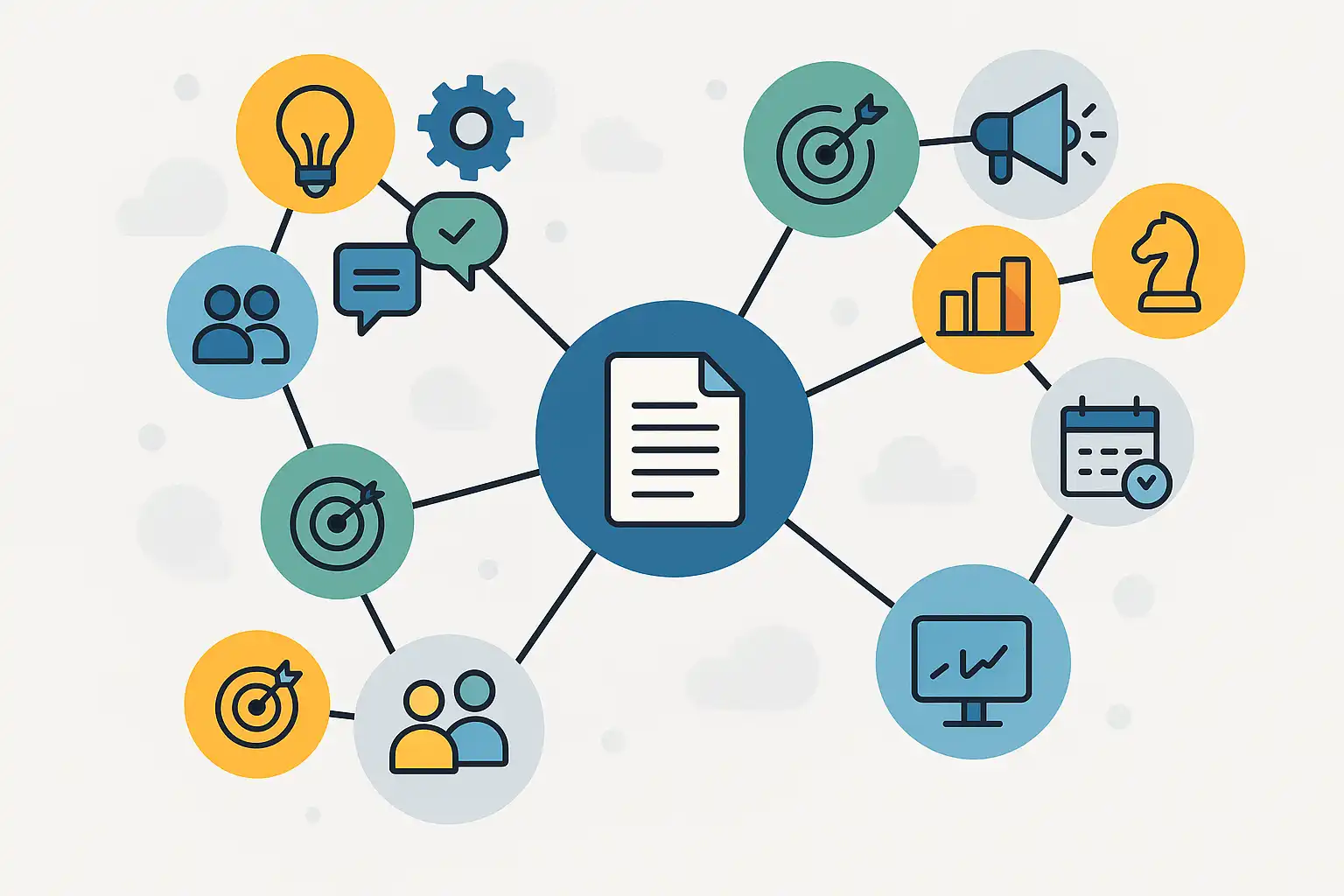
A content pillar sample is a proven strategy for structuring website content to improve SEO rankings and user engagement. It involves creating a central, comprehensive guide (the pillar) on a core topic, supported by several in-depth cluster pages covering related subtopics. This hub-and-spoke model, used by leading brands like HubSpot and Moz, enhances site authority, makes navigation easy, and helps search engines understand your content hierarchy. To build an effective content pillar, start with thorough keyword research to select your main topic, identify relevant subtopics, analyze competitors, map your structure, and optimize each page for SEO. Strategic internal linking between pillar and cluster pages improves both user experience and search visibility. Key components of a successful content pillar include comprehensive coverage, clear structure, strong internal links, on-page SEO, regular audits, and a robust promotion strategy. Avoid common mistakes such as neglecting keyword research, poor interlinking, or failing to update content. By following this model, you can boost SEO performance, establish authority, increase engagement, and repurpose pillar content for greater marketing impact. Regular updates and audits ensure your pillar remains relevant and competitive.

Developing a Unique Content Voice: Examples to Model for Standout Blogging
Developing a unique content voice is essential for making your blog stand out and building lasting reader trust. Your content voice—defined by tone, personality, and consistent style—shapes how audiences perceive and remember your brand. Successful examples like L’Oreal Paris, McDonald’s, Glossier, GoPro, and Microsoft show how authentic, consistent voices drive audience engagement and brand loyalty. To craft your own voice, research your audience, define your brand’s personality, study competitors, set clear voice guidelines, and experiment with formats. Consistency across all platforms—blog, social media, emails—ensures your brand remains recognizable. Tools like Grammarly, analytics, and editorial calendars can help maintain clarity and consistency. Regularly review feedback and adjust your voice as your brand and audience evolve. Remember, your voice doesn’t need to be radically different; even subtle, authentic elements make your writing memorable. Prioritize clarity and reader value while naturally including SEO keywords. By following proven strategies and learning from industry leaders, you can develop a compelling, unique content voice that attracts, engages, and retains readers in a crowded digital landscape.

Thought Leadership Content: Position Yourself as the Expert
Thought leadership content positions you as an industry authority by sharing original, valuable insights tailored to your audience’s needs. This approach builds trust, credibility, and visibility—benefiting professionals and businesses of all sizes. Effective thought leadership involves defining clear goals, understanding your audience’s challenges, showcasing your expertise, and delivering advice in diverse formats such as blogs, podcasts, videos, and case studies. Consistency, transparency, and engagement are key: regularly publish helpful, actionable content, respond to audience interactions, and join industry conversations. Focus on educating and informing rather than promoting products or services. To maximize impact, research your audience, plan relevant topics, distribute broadly, and measure results for continuous improvement. Building authority requires authenticity—share personal stories, back up claims with data, and acknowledge both successes and failures. By fostering collaboration and innovation, you further enhance your reputation. Even small businesses and solo professionals can leverage thought leadership to attract clients, recruit talent, and stand out in their field. Prioritize quality over quantity, choose the right platforms like LinkedIn or your company blog, and always aim to provide clear, practical value in every piece of content.

Newsletter Strategies: Boost Opens and Clicks
Boost your email marketing performance with proven newsletter strategies that increase open and click-through rates. Deliver consistent, tangible value in every email and use A/B testing to refine subject lines—personalized subject lines can boost open rates by 26%. Engage new subscribers with welcome series and personalize content based on names, preferences, and behaviors. Segment your audience by interests, location, or activity to deliver relevant content, leading to open rates over 14% higher and click rates more than double compared to non-segmented lists. Utilize dynamic content, recommendations, and geo-targeting to enhance personalization and engagement. Regularly clean your list, run re-engagement campaigns, and set honest expectations to maintain a healthy, responsive subscriber base. Optimize subject lines by being clear, direct, and occasionally using emojis or urgency, and continue testing for best results. Leading email marketing tools like Mailchimp, ConvertKit, ActiveCampaign, Sendinblue, and HubSpot support these strategies with advanced automation, segmentation, and analytics features. Monitor key metrics—opens, clicks, unsubscribes—to evaluate and refine your approach. Consistency, relevance, and personalization are the keys to successful newsletter campaigns that drive measurable results.

Thought Leadership Content Examples: Stand-Out Ideas That Inspire Audiences
Thought leadership content establishes individuals or brands as industry authorities by offering unique insights, actionable advice, and authentic experiences. The most effective formats include original research, in-depth blog posts, comprehensive guides, engaging video series, podcasts, conference talks, and impactful LinkedIn posts. Leading brands like HubSpot, Backlinko, Deloitte, and Harvard Business Review excel by sharing proprietary research, expert interviews, specialized guides, and practical frameworks. Successful thought leadership content stands out through originality, consistent publishing, storytelling, audience engagement, and strategic content repurposing. Measuring impact via audience growth, engagement, and feedback is crucial for continuous improvement. To create stand-out content, focus on your niche expertise, understand your audience’s needs, prioritize value-driven and solution-oriented formats, and foster community interaction. Authenticity, industry awareness, collaboration, and regular analytics review further ensure your thought leadership remains relevant and influential. Small businesses can also excel by sharing genuine insights and focusing on their unique strengths. Consistency and a clear strategy are essential for building trust and lasting authority in any field.

Content Gap Analysis Meaning: Why It Matters for Your Website’s Success
Content gap analysis is a critical SEO strategy that identifies missing or underperforming topics, keywords, and questions on your website compared to competitors and audience searches. By uncovering and addressing these gaps, you ensure your content meets user intent, captures more organic traffic, and improves search engine rankings. The process involves researching competitors, analyzing keyword coverage, auditing your current content, and prioritizing opportunities that align with your business goals. Tools like Ahrefs, SEMrush, Clearscope, Google Search Console, and Moz streamline this process. Key benefits include increased website visibility, authority, and engagement, while challenges may involve time investment and ongoing updates. Regular content gap analysis helps you stay ahead in a changing digital landscape, making your website a trusted, comprehensive resource for your audience.

Content for Different Buyer Journey Marketing Funnel Explained
This article provides a comprehensive guide to creating effective content for each stage of the buyer journey marketing funnel: Awareness (Top of Funnel), Consideration (Middle of Funnel), and Decision (Bottom of Funnel). At the Awareness stage, focus on educational, non-salesy content such as blog posts, infographics, and quick tips to attract and inform new visitors. In the Consideration stage, deliver detailed content like buying guides, case studies, webinars, and comparison sheets to help prospects evaluate options. For the Decision stage, build trust through testimonials, free trials, demos, and special offers to convert leads into customers. Successful content strategies map content types to each funnel stage, use analytics to measure performance, repurpose top-performing assets, and tailor messages to audience personas. Regular content audits and updates ensure relevance and effectiveness. By aligning content with the buyer’s journey, businesses can double conversion rates, boost engagement, and foster long-term loyalty. Even small businesses can benefit by starting simple and scaling over time. Use tools like HubSpot, Google Analytics, or content management platforms to optimize and track funnel performance.

Branded Content Examples: Inspiration That Drives Clicks
Branded content is a powerful marketing strategy where brands create engaging stories—through videos, podcasts, articles, events, and interactive experiences—to connect with audiences in authentic, memorable ways. Unlike traditional ads, branded content prioritizes entertainment, education, or inspiration, subtly weaving in brand values to build trust and loyalty. Standout examples include the Barbie Movie, Gympass’s “Murder in HR” podcast, Lenovo’s Late Night I.T. show, Knorr’s Yummy Ks pop-up, and Salesforce’s Salesblazer Hub, all of which fostered deep engagement by aligning with audience interests and values. Effective branded content campaigns are audience-first, leveraging immersive storytelling, multi-format experiences, and authentic collaborations with influencers or experts. Key elements for success include offering real value, subtle branding, and distributing content across multiple channels. To create impactful branded content, brands should define clear objectives, understand their audience, select engaging formats, develop resonant stories, collaborate with partners, and track performance metrics like clicks and shares. This approach not only drives clicks and engagement but also sets the stage for lasting brand loyalty and higher conversions. Branded content is accessible for businesses of all sizes and is crucial for modern digital marketing success.