Yes, you can manage several brands with one system. The key is using a content plan template for multiple brands that keeps strategy shared, while voice, audience, channels, and approvals stay separate. One strong template gives your team a single workflow, clearer deadlines, fewer missed posts, and better reporting without making every brand sound the same.
If you run marketing for a parent company, agency, franchise group, or portfolio of products, this approach saves time. Instead of building a fresh spreadsheet for every brand, you create one master framework. Then you customize a few fields for each brand. That is how you scale content without losing control.
Why does one template work for several brands?
Most brands do not need totally different planning systems. They need different messages inside the same planning structure. Every brand still needs goals, audiences, channels, publish dates, owners, formats, and performance tracking. A shared template works because the planning logic stays the same, even when the stories change.
This also helps streamlining content creation across brands. Writers, designers, social managers, and approvers all know where to look. They spend less time asking for files and more time improving content. That is especially useful when one team handles a retail brand, a service brand, and an employer brand at the same time.
A unified template also supports a multi-channel content marketing strategy. You can map blog posts, email campaigns, short videos, landing pages, and social updates in one place. That creates a full view of what each brand is saying, where it is saying it, and when each message goes live.
What should a content plan template for multiple brands include?
An effective template starts with strategy, not just scheduling. Before you fill a calendar, define what each brand needs to achieve. One brand may need awareness, another may need leads, and a third may need loyalty. If those goals are mixed together, the plan becomes messy fast.
Core fields for the master template
- Brand name or business unit
- Campaign or content pillar
- Main goal and success metric
- Target audience segment
- Key message and call to action
- Channel or platform
- Content format
- Owner, reviewer, and approval status
- Publish date and repurpose date
- Performance notes and next step
These fields cover the basics. They also help with consistent brand messaging in multi-brand marketing because every item has a clear purpose. You can quickly see whether a post fits the right audience, matches the right message, and belongs on the right channel.
Add color labels for each brand, and use filters for teams, channels, and campaign stages. In tools like Airtable, Asana, Notion, Trello, or even Google Sheets, this simple setup makes a content calendar for managing brands much easier to scan.
How do you keep each brand unique inside one template?
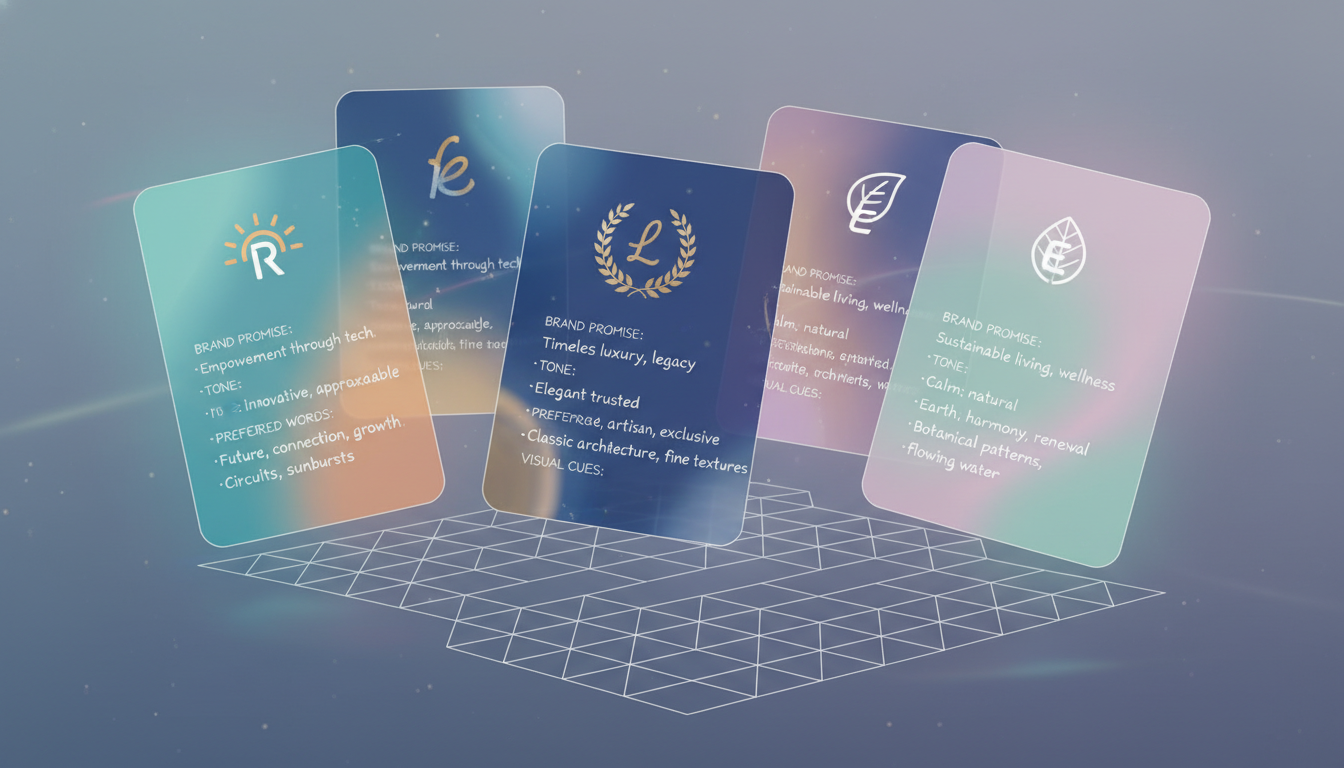
This is the main fear, and it is valid. A shared planning system should never flatten brand identity. The fix is simple: standardize the process, not the voice. Your template should have custom fields for tone, message rules, audience pain points, and visual notes for each brand.
Create a brand profile tab
Give every brand its own quick reference section. Keep it short enough that busy teams will actually use it. Include the brand promise, preferred tone, words to use, words to avoid, audience summary, top competitors, approved hashtags, and visual direction.
For example, Nike, Airbnb, and Dove all use strong, clear brand voices. Yet their content planning bones are similar. They still define campaigns, target audiences, channels, and outcomes. Their difference shows up in language, visuals, and emotional angle, not in whether they use a calendar.
When your team opens the master template, they should be able to switch from Brand A to Brand B and instantly see the right rules. That is how a single document supports separate identities without confusion.
How do you build the template step by step?
Build the template once, test it for a month, then improve it. Start small. If you try to track every possible detail from day one, the system will become slow and hard to use.
- List all brands and assign a unique label to each one.
- Define one to three business goals for every brand.
- Write a short audience profile for each brand.
- Choose the main content channels for each audience.
- Set content pillars, such as education, proof, culture, or promotion.
- Add workflow stages like draft, review, approved, scheduled, and published.
- Create a shared monthly calendar view.
- Add a performance section for clicks, reach, leads, or engagement.
That sequence keeps strategy connected to execution. It also reduces duplicate work. If one educational video can become a blog post, email snippet, and social clip for two related brands, your team can plan that repurposing in advance instead of scrambling later.
Which planning model makes management easier?
The best model is a hub and spoke system. The hub is your master content plan. The spokes are the brand-specific views. Everyone works from one source, but each brand manager filters only what matters to them. This balance keeps control centralized and execution flexible.
In practice, the hub holds shared dates, campaigns, assets, and reporting rules. The spokes hold brand notes, channel choices, and custom briefs. Agencies use this model often because it helps them manage many clients without rebuilding process every week.
A monthly planning meeting usually works better than daily planning by brand. Meet once to align major themes, launches, and deadlines. Then allow each brand owner to adapt ideas within their own audience and tone. That avoids channel clashes and message overlap.
Use pillars to prevent chaos
Content pillars are repeating themes that guide production. They help teams make faster choices. A beauty brand may focus on tutorials, ingredients, community stories, and product launches. A software brand may focus on tips, case studies, trends, and product education. The template can track these pillars across every brand.
Once pillars are visible, you can spot gaps. Maybe one brand has too much promotional content and not enough trust-building content. Maybe another brand posts often on Instagram but ignores email, even though email converts better. A clear template turns those problems into visible patterns.
How do you manage channels without overposting?
Not every brand needs to be everywhere. One mistake in multi-brand marketing is forcing all brands onto the same platforms. Your template should include channel fit, not just channel presence. Ask where the audience is active, what format works there, and what outcome the brand wants.
A business-to-business brand may perform best with LinkedIn articles, webinars, and email nurture content. A lifestyle brand may lean on Instagram Reels, creator partnerships, and short blog posts. A local service brand may benefit more from search content and customer testimonials than daily social updates.
Use a field for platform priority. Mark channels as primary, secondary, or test. This makes workload realistic. It also helps teams avoid wasting effort on platforms that look busy but do not drive results.
What metrics should you track across all brands?
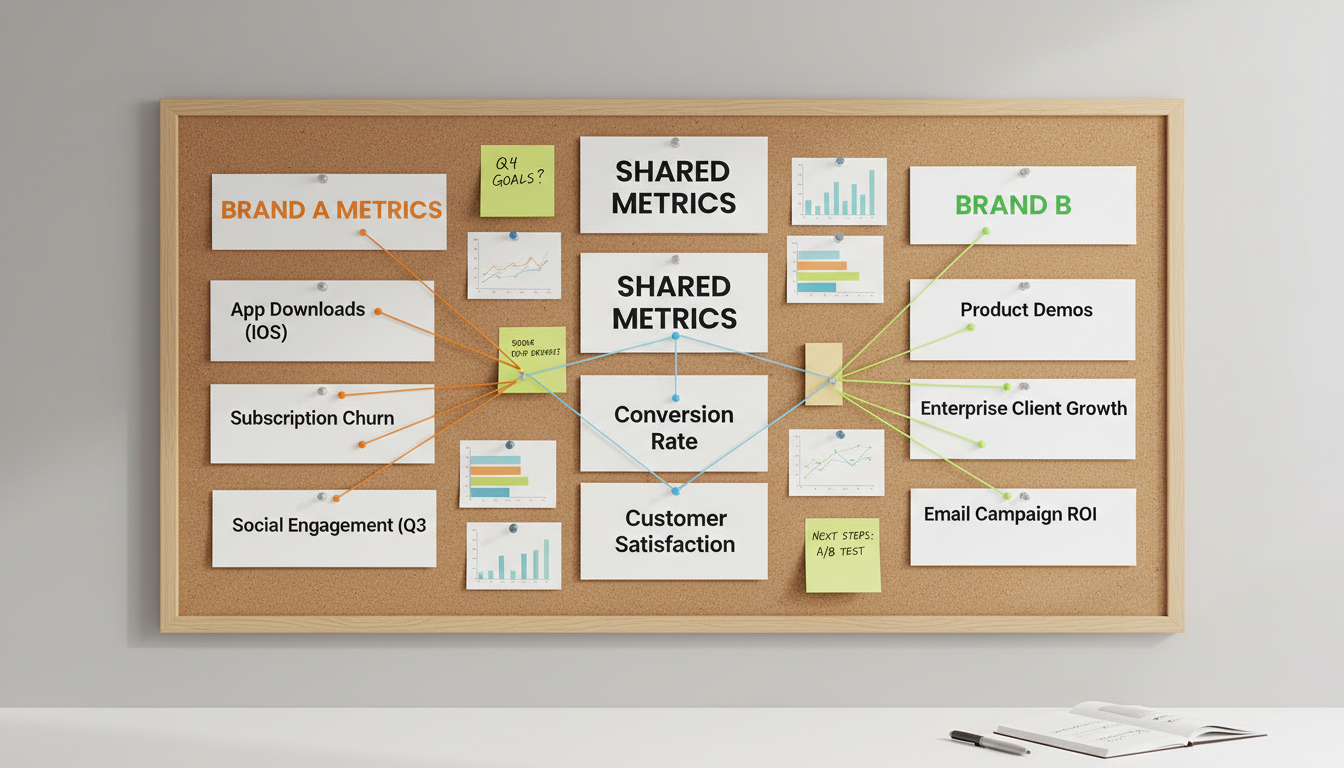
Track a small set of shared metrics and a few brand-specific ones. Shared metrics let leadership compare performance across the portfolio. Brand-specific metrics reflect unique goals. This mix gives a clearer picture than one giant report with random numbers.
- Shared metrics: reach, traffic, engagement rate, conversions, publishing consistency
- Brand-specific metrics: demo requests, store visits, repeat purchase, email signups, video completion
Review results monthly. According to widely cited marketing studies, teams that document strategy and review performance regularly tend to report stronger results than teams that post without a written plan. You do not need complex dashboards at first. Even a simple notes column can reveal what to repeat, pause, or test next.
Common mistakes to avoid
The first mistake is making one template too rigid. If every brand must use the same tone, channel mix, or posting frequency, the system will fail. Shared planning should create clarity, not sameness.
The second mistake is skipping ownership. Every content item needs one owner and one reviewer. Without that, drafts sit untouched and deadlines slip.
The third mistake is planning content without analytics. If your template never records outcomes, it becomes a storage sheet instead of a decision tool.
The fourth mistake is overcomplicating approvals. Keep review paths short. Too many approvers slow content and increase inconsistency.
Using One Template for Multiple Brands
Small teams & multi-brand use
- Small teams benefit the most — one template reduces admin work.
- A simple spreadsheet with filters, owners, and publish dates is enough to start.
Keeping Your Template Current
Update & review schedule
- Update weekly for active work.
- Review monthly for performance.
- Keep structure stable, but refine fields and workflows as your team learns.
Setting Goals Across Brands
Brand-specific goals matter
- Share the planning framework, but tailor goals to each brand’s audience and business needs.
- Clear goals simplify scheduling, messaging, and reporting.
The Core Benefit of a Shared Template
Control without confusion
- One reliable workflow for planning, creating, publishing, and measuring content.
- Protects each brand’s voice, audience focus, and channel strategy.

Related Posts