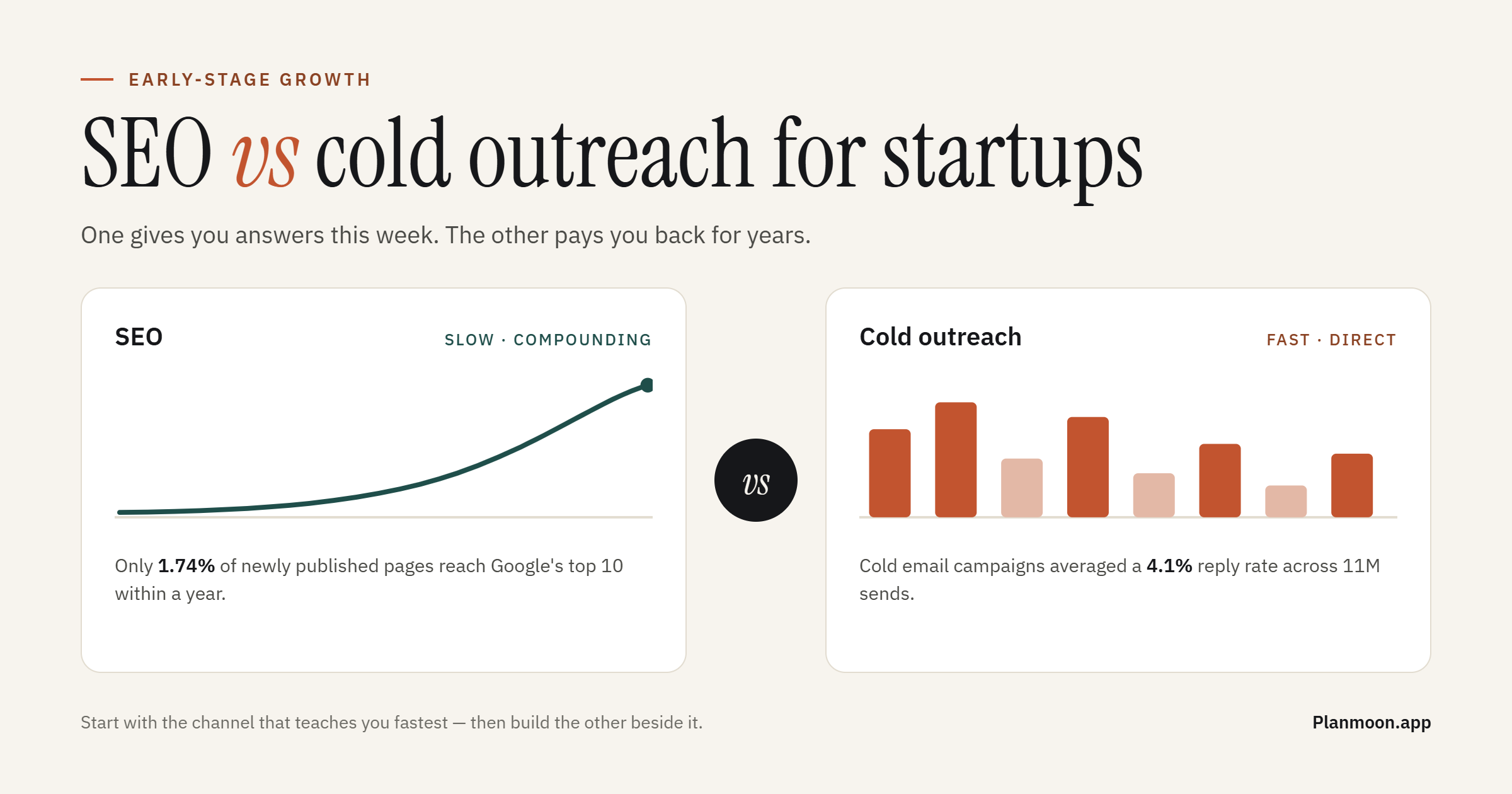
Growing your audience without paid ads is one of the most valuable and sustainable things you can do for your brand. Organic reach — the number of people who see your content without you paying to promote it — is a direct measure of how well your content connects, spreads, and earns attention naturally.
This guide covers everything: what drives organic reach, which content types and tactics work best, how to promote your content across channels, how to tailor your approach by platform, and how to measure what’s actually working.
Why organic reach matters
When more people find your content organically, you:
- Save money — reaching more users without ad spend
- Build trust and authority — unpaid reach signals genuine interest
- Grow a sustainable audience that compounds over time
- Create conditions for viral sharing and word-of-mouth growth
Platforms like Instagram, LinkedIn, and Google reward high-quality, relevant content by showing it to more users. The better your content and strategy, the higher your reach. Sprout Social’s 2025 Content Benchmarks Report, based on an analysis of over 3 billion messages from more than 1 million public social profiles, found that brands saw a 20% year-over-year jump in average inbound engagements — evidence that audiences are still engaging actively, but becoming more selective about what earns their attention.
Content types that drive the highest organic reach and engagement
Not all content is created equal. These formats consistently generate more reach and interaction:
- Authentic storytelling: Real experiences, brand journeys, challenges, and wins build emotional bonds that motivate sharing.
- Behind-the-scenes content: Day-to-day processes, team moments, and sneak peeks satisfy curiosity and feel exclusive.
- Educational content: How-to guides, tips, and practical advice people can use right away attract and retain audiences.
- Short-form video: Reels, TikToks, and YouTube Shorts are prioritized by platform algorithms and drive the highest engagement rates.
- Interactive content: Polls, Q&As, live videos, and challenges invite participation — the more people engage, the more platforms show your content to others.
- User-generated content (UGC): Resharing followers’ photos or testimonials (with credit) builds community and encourages others to contribute.
- Exclusive offers: Flash sales, early access, or follower-only deals reward loyalty and encourage sharing.
- Collaborations: Partner with other creators, brands, or influencers to tap into new audiences and keep content fresh.

Content strategy benefits and trade-offs
| Type | Pros | Cons |
|---|---|---|
| Authentic Storytelling | Builds trust, deep connections, loyalty | Requires transparency, time-consuming |
| Educational Content | Positions you as authority, attracts curious audience | Needs research and accuracy |
| Exclusive Offers | Encourages sharing, rewards followers | Risks overuse, short-term focus |
| Collaborations | New audiences, fresh perspectives | Requires coordination and agreements |
| User-Generated Content | Saves time, builds community, boosts engagement | Quality control, active moderation needed |
Most effective strategies for boosting organic reach
For content creation
- Tell your story authentically. Share your brand’s mission, challenges, wins, and failures. People connect with real experiences — not polished sales pitches.
- Use thoughtful visuals and captions. Pair every post with visuals that reflect your message. Attractive images increase first impressions and encourage people to pause and read.
- Offer value consistently. Every piece of content should inform, entertain, inspire, or solve a problem.
- Engage consistently and respond. Reply to comments, ask questions, share responses. Two-way communication creates deeper connections.
- Post on a consistent schedule. Regular posting keeps your brand top-of-mind and signals reliability to platform algorithms.
- Use hashtags strategically. Mix widely-used hashtags with niche, targeted ones. Combine broad tags (#photography) with specific ones (#sunsetshotsNYC). Rotate them to avoid being flagged as spam.
- Create a branded hashtag. Encourage followers to use it — this helps you collect UGC and builds community around your brand.
- Drive traffic to owned platforms. Guide followers to your website or email list. Owned channels provide more control and enable long-term retention.
These strategies blend creativity with structure and form the backbone of any documented content planning system that aims for sustained growth.
For content promotion
- Pre-publishing preparation. Build anticipation before you publish — reach out to relevant partners, create teaser campaigns, or alert your email list.
- Social media amplification. Share across all relevant platforms, adapting the message and format for each channel’s culture and audience.
- Repurpose content. Turn a single blog post into graphics, videos, infographics, short clips, or email snippets. For practical approaches to this, see these examples of stretching one idea across many formats.
- Email list outreach. Share content with newsletter subscribers and encourage them to forward it for wider distribution.
- Content syndication. Publish on Medium, LinkedIn Articles, or relevant forums to reach new audiences beyond your own channels.
- Influencer partnerships. Partner with voices who have influence in your field — their shares expose your content to thousands of new potential followers.
- Guest blogging. Contributing to reputable publications builds backlinks and brings your content to established audiences.
- Employee advocacy. Encourage team members to share content through their personal networks — this adds authenticity and reaches untapped audiences.
How SEO boosts organic content reach
Search optimization isn’t just for websites — it applies to social content too:
- Hashtags as keywords: On social media, hashtags help people find your posts. Use a mix of popular and niche tags for different discovery pathways.
- Keyword-optimized captions: Use terms your audience searches for in your captions — this increases visibility in platform search results.
- Location and people tagging: Adds discovery pathways, especially for local businesses.
- Internal linking: Connect your content pieces to each other to keep readers engaged and signal depth to search engines.
- Backlink building: When your content is shared and cited by other reputable sites, search engines reward it with higher rankings.
Learning how to build these habits starts at the planning stage. Applying SEO-driven blog planning techniques from the start makes your content far more likely to earn organic discovery over time.

Platform-specific tactics
Each social network has distinct algorithms and audience behaviors. Don’t use the same approach everywhere:
- Instagram: Bold visuals, Stories with polls/CTAs, Reels for reach, carousels for engagement. Use trending hashtags and tag collaborators.
- TikTok: Short, creative videos with hooks in the first two seconds. Tap into trends, sounds, and challenges.
- LinkedIn: Industry insights, original articles, thought leadership, and employee advocacy. Tag relevant connections and use professional hashtags.
- Twitter/X: Brevity, wit, and timeliness. Use threads for depth, polls for quick engagement.
- Facebook: Join relevant groups, create events, and use live video for direct community interaction.
- YouTube: Optimize titles, thumbnails, and descriptions for search. Shorts for algorithmic reach, long-form for depth and authority.
Platform selection tip: It’s smarter to maintain a strong presence on two platforms than to spread yourself thin across five. Choose based on where your audience actually spends time and what content formats you execute best.
Content scheduling and timing
Publishing at the right time dramatically affects how many people see your posts:
- Use analytics to find your audience’s most active hours — these vary significantly by platform and audience type.
- Maintain consistent posting habits. Algorithms reward steady, predictable publishing schedules.
- Stay culturally relevant. Participating in holidays, trending moments, or cultural events makes your brand feel present and relatable.
- Plan ahead with a content calendar. This reduces last-minute stress and improves content quality.
- Automate with scheduling tools. Buffer, Hootsuite, Later, and Sprout Social keep your feed active at peak times without constant manual work — and provide the analytics needed to refine your timing over time.
Key metrics to track
Monitor these to know if your organic strategy is working:
- Impressions: How many times your content is displayed
- Engagement rate: Likes, comments, shares, and saves as a percentage of followers
- Follower growth: Steady, relevant audience increase over time
- Website clicks: How many users move from social to your site
- Backlink acquisition: Quality sites linking to your content
- Email performance: Open rates, click-throughs, subscriber growth
- Conversion rate: Sign-ups, downloads, or purchases resulting from content
- ROI: Time and cost invested versus leads, traffic, and sales generated
Use platform analytics combined with Google Analytics for a complete picture. Focus on what’s performing well and keep refining.
Common mistakes to avoid
- Over-promoting or “hard-selling” in every post — balance value with calls to action
- Ignoring analytics — data helps you course-correct and improve
- Inconsistent posting — disappearing for weeks hurts algorithmic reach significantly
- Copying competitors without adding your own perspective or voice
- Focusing only on follower counts rather than genuine engagement and relationships
How often should I post to boost organic reach?
- Consistency beats volume — aim for 3–5 posts per week
- Quality content outperforms frequent, low-value posts
- Track analytics to find the right cadence for your audience
What content types get the most organic reach?
- Short-form video (Reels, TikToks, YouTube Shorts) leads the pack
- Interactive content — polls, questions, live videos — also performs strongly
- UGC (user-generated content) drives trust and reach
- Results vary by platform — test and let data guide you
Can organic reach still compete with paid ads?
- Yes — organic builds deeper trust and community over time
- Paid delivers faster reach, but organic creates loyal audiences
- Combining both approaches delivers the greatest impact
Do I need tools to manage organic content growth?
- Not strictly required, but tools make a meaningful difference
- Scheduling tools help maintain consistency and optimize timing
- Analytics tools provide data for continuous improvement
- Even basic free tools can noticeably boost your results
How long does it take to see organic growth results?
- Slower than paid, but compounds over time
- Most brands see meaningful results within 3–6 months
- Organic audiences tend to be more loyal and engaged

Related Posts