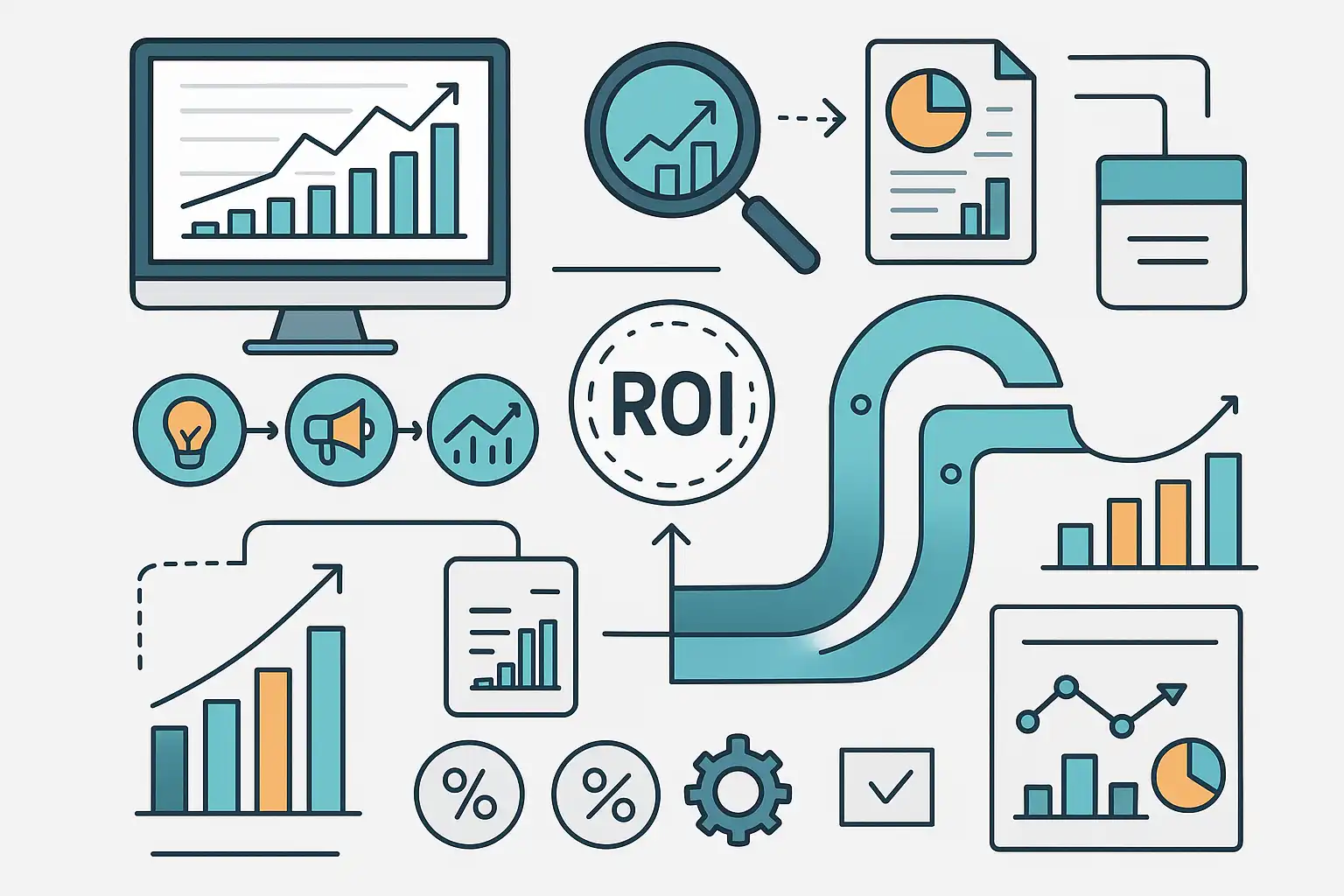
Measuring ROI in content strategy research is all about understanding how your content efforts translate into real business value. If you’re wondering how to track the return on investment (ROI) of your blog posts, videos, guides, or social media campaigns, you’re not alone. Many marketers and business owners want to know which research methods to use and which numbers matter most. The good news? It’s easier than you might think to start making sense of your content’s impact using clear, systematic methods and tools.
Right away, let’s answer the key question: The most effective way to measure ROI in content strategy research is to set clear marketing goals, define measurable key performance indicators (KPIs), use reliable analytics tools, and calculate ROI with a straightforward formula. This approach lets you see what’s working, make better decisions, and ensure your efforts contribute to business growth. In the next sections, you’ll learn exactly how to do this step by step, even if you’re just getting started.
What Does ROI Mean in Content Strategy Research?
ROI, or return on investment, is a way to compare what you put into your content (time, money, resources) to what you get back (sales, engagement, leads, and so on). In the context of content strategy research, ROI tells us whether our content strategy is delivering real results. It asks: for every dollar or hour spent, how much value are we creating?
This concept is important because businesses want to invest in what works. By measuring ROI, you can justify budgets, plan better campaigns, and make sure your content aligns with broader business goals. Whether you run a large company or a small blog, tracking ROI is key to making smart, data-driven decisions.

Why Should You Measure ROI in Content Strategy Research?
There are several reasons why measuring ROI is essential:
- Accountability: Shows stakeholders that your content delivers results.
- Resource Allocation: Helps you decide where to invest time and money.
- Continuous Improvement: Reveals what’s working and what needs to change.
- Strategic Planning: Informs future campaign and content planning.
- Budget Justification: Makes it easier to secure or adjust funding.
For example, imagine your team spends months creating blog content. Measuring ROI will show if that effort leads to increased brand awareness, sales, or leads. If not, you’ll know it’s time to pivot your approach or try a different topic.
What Are the Most Effective Research Methods for Measuring ROI?
To measure ROI in content strategy research effectively, you need a structured approach. This involves combining several research methods, starting from goal-setting to data analysis. Here are the main steps:
- Define Your Content Goals: Specify what you want to achieve—brand awareness, lead generation, increased sales, customer retention, or something else.
- Set Key Performance Indicators (KPIs): Choose metrics tied to your goals (like conversion rate, bounce rate, social shares, click-through rate, page views, or scroll depth).
- Segmentation of Content Activities: Break down your strategy into three parts:
- Creation: Producing SEO-friendly, high-quality content.
- Distribution: Sharing via social, email, or ads.
- Analysis: Reviewing performance data regularly.
- Use Analytics Tools: Leverage platforms such as Google Analytics (GA4), SEMRush, HubSpot, and Ahrefs to monitor and analyze your chosen KPIs.
- Collect and Interpret Data: Analyze patterns and trends. Identify what content types or topics drive the best results.
- Calculate ROI: Use the formula:
ROI = ((Net Profit from Content – Total Content Investment Cost) / Total Content Investment Cost) x 100
- Report and Adjust: Communicate findings with your team. Refine strategies based on what the data says.
When you follow these steps, you create a loop of planning, testing, analyzing, and improving. Over time, this leads to more effective and efficient content strategies.
Which KPIs Should You Track to Assess ROI?
Your choice of KPIs (key performance indicators) will depend on your specific goals, but some metrics are widely regarded as essential for measuring ROI in content strategy research:
- Conversion Rate: The percentage of visitors who complete a desired action, such as signing up, buying, or downloading.
- Bounce Rate: The proportion of users who leave your site after viewing only one page. Lower bounce rates often mean your content is relevant and engaging.
- Social Shares: How often your content is shared on social media, indicating audience resonance and potential for virality.
- Click-Through Rate (CTR): The ratio of users who click on a link compared to the total who see it. High CTR means your content and calls-to-action are persuasive.
- Page Views: The total number of times your content is viewed. This helps measure reach and popularity.
- Scroll Depth: Shows how much of your content users actually read, providing a measure of engagement.
Tracking these KPIs regularly helps you pinpoint which content pieces drive results. Industry benchmarks (such as conversion rates between 1.5%–3%, or bounce rates below 40%) provide helpful context.
How Can Data Analytics Be Applied to Evaluate Content Marketing ROI?
Applying data analytics to your content strategy makes it possible to track, analyze, and improve ROI continuously. Here’s how you can do this:
- Set Up Analytics Tools: Start with Google Analytics (GA4), then add SEMRush, Ahrefs, or HubSpot if you need additional depth. Configure them to track goals and user actions.
- Monitor User Behavior: Examine metrics like page views, bounce rates, and time on page to understand how visitors interact with your content.
- Analyze Conversion Funnels: Identify where users drop off. Is there a step or page where most visitors leave? This can highlight areas needing improvement.
- Segment Your Data: Look at different audience segments (new vs. returning users, traffic sources, devices) to spot patterns and hidden opportunities.
- Conduct A/B Testing: Test headlines, layouts, CTAs, and formats. Use the analytics tools to track which versions perform best.
- Calculate ROI Regularly: Input your profit and costs into the ROI formula. Track changes over time to see if your strategy is improving.
Let’s say one of your blog posts gets thousands of views but very few conversions. Data analytics can help you discover whether this is because of weak calls-to-action, off-target keywords, or a mismatch between content and user intent. By testing different solutions and measuring the results, you can systematically improve your content’s performance.

What Is the ROI Formula for Content Strategy Research?
The standard formula for ROI in content strategy research is simple:
ROI = ((Net Profit from Content – Total Investment Cost) / Total Investment Cost) x 100
Net Profit from Content is what you gain from your content efforts, such as new customers, sales revenue, or leads, minus any direct costs (like paid ads). Total Investment Cost includes writing, editing, design, promotion, and any software/tools you use.
For example, if you invested $2,000 in writing, promotion, and analytics, and your content generated $6,000 in customer sales, your ROI would be:
((6000 – 2000) / 2000) x 100 = 200%
This means you earned twice what you spent, making your content campaign a clear success.
What Tools Help Measure Content Strategy ROI?
Several trusted analytics tools support every stage of measuring ROI in content strategy research. Here are some of the most popular options:
- Google Analytics (GA4): Tracks website traffic, events, conversions, scroll depth, and more. It’s free for most users and highly customizable.
- SEMRush: Helps monitor keyword rankings, backlink profiles, and competitive performance, which contribute to your SEO ROI calculations.
- Ahrefs: Another powerful tool for tracking organic search visibility, backlinks, and competitive positioning.
- HubSpot: A comprehensive marketing platform for tracking leads, customer journeys, and the full sales funnel.
- Social Media Analytics: Facebook Insights, Twitter Analytics, and LinkedIn Analytics provide data on engagement, reach, and click-throughs from social posts.
- Email Marketing Software: Tools like Mailchimp and Constant Contact help measure open rates, click-through rates, and conversions from your email campaigns.
Choosing which tools to use will depend on your goals and budget. Combining website, social, and email analytics often gives you a fuller picture.
How Does Content Segmentation Support ROI Measurement?
Segmenting your content into three broad stages—creation, distribution, and analysis—enhances accurate ROI measurement. Here’s how this segmentation works in practice:
- Creation: Focuses on making high-quality, original, SEO-optimized content (blogs, guides, videos, etc.). This is where resource costs are typically highest.
- Distribution: Covers all the ways you promote your content—like social media, email newsletters, paid ads, influencer outreach, and organic search. The goal is to ensure your content finds the right audience.
- Analysis: Involves continuously gathering and interpreting data on how well your content is performing. Learn which formats, topics, or channels drive the best engagement and conversions.
By breaking your approach down like this, you’ll find it easier to spot which stage delivers the most value for your investment, and where improvements will have the biggest effect.
How Do You Use Benchmarks to Contextualize Your ROI?
Industry benchmarks offer helpful reference points for evaluating your content’s ROI. For instance, on average:
- Conversion rates for websites typically range from 1.5% to 3%.
- Bounce rates below 40% often signal engaging, relevant content.
- Scroll depth between 60% and 80% indicates readers stay engaged.
Comparing your data to these figures helps you understand if your results are above or below average, and where you may need to make adjustments. For example, if your bounce rate is higher than 60%, it could mean your content doesn’t match user expectations, or your site’s user experience needs work.
For teams working in B2B, reviewing resources like the Simple B2B Content Strategy can highlight specific benchmarks and tactics for improving performance in this space.
What Role Does Content Gap Analysis Play in ROI Measurement?
Content gap analysis is a research method that helps identify what topics, keywords, or formats your strategy is missing. By understanding these gaps, you can produce targeted content that fills them—and measure subsequent improvements in your ROI.
A regular gap analysis typically involves:
- Auditing existing content to see what’s already covered.
- Researching audience needs, search trends, and competitor content.
- Identifying missing or underperforming topics.
- Creating new content to address those gaps.
- Tracking how that new content performs against KPIs.
For a detailed explanation of this process and its value, consider reading this overview on content gap analysis. Addressing these gaps helps boost your results and aids in maximizing your ROI.
How Can Brands Tie Buyer Journey Content to ROI?
Relating ROI to the buyer journey means aligning your content to each stage of a potential customer’s experience—from awareness, to consideration, to decision. By tailoring messages to each step, you can boost engagement and conversions at every level.
For example, top-of-funnel content like educational blog posts or videos are great for brand awareness, but may not convert immediately. Meanwhile, case studies or detailed product comparisons tend to influence purchase decisions directly, resulting in measurable ROI. Tracking the performance of content designed for each stage, and measuring its individual KPIs, gives a more accurate sense of overall effectiveness.
If you want to understand how to connect content to every stage of the customer journey, this practical guide to buyer journey content provides actionable tips and frameworks.
What Are the Main Challenges in Measuring ROI, and How Can You Overcome Them?
Measuring ROI in content strategy research doesn’t come without hurdles. The most common challenges are:
- Attribution: It can be hard to link revenue or goals to a specific content piece, especially if customers consume multiple assets on their journey.
- Long Sales Cycles: In B2B or complex industries, content impact may take months to be visible.
- Tracking Offline Actions: Not all conversions happen online, making full measurement tricky.
- Data Overload: Too much data can make it tough to focus on what matters most.
To address these challenges, use multi-touch attribution models, prioritize the KPIs that closely tie to business goals, and keep your analytics setup clear and focused. Set up regular reporting cycles to monitor trends over time, rather than expecting instant results.
How Often Should You Measure and Report on ROI?
It’s important to track ROI over regular intervals—monthly, quarterly, or after every significant campaign. Frequent reporting helps spot trends, catch underperforming content early, and pivot strategy as needed. Automation features in tools like HubSpot, Google Analytics, or social dashboards can simplify this process by generating ongoing reports. Remember to share insights with stakeholders, so everyone understands the business impact of your content strategy research.
FAQ
How long should I wait before measuring ROI for new content?
Give new content at least a few weeks before analyzing ROI, especially if you rely on organic search traffic. For campaigns tied to time-sensitive offers or paid promotions, you can assess ROI within days after launch. The right timing depends on your traffic volume and typical buyer journey length.
Can measuring ROI help small businesses with limited resources?
Absolutely. Even with a tight budget, tracking a few key performance indicators and using free tools like Google Analytics can reveal what content delivers results. Small steps—like monitoring conversions or engagement rates—help prioritize future content and avoid wasted effort.
Are there any industry benchmarks I should use for my KPIs?
Yes, there are a few general benchmarks to consider. Aim for conversion rates between 1.5% and 3% for most industries, bounce rates below 40%, and scroll depths around 60–80%. However, it’s best to use your own historical data to set practical targets and track progress over time.
What if my ROI is negative? Does that mean my strategy failed?
Not necessarily. Negative ROI means your costs outweighed your returns in a given period, but this can happen if you’re experimenting, testing new formats, or building brand awareness. Evaluate which elements underperformed, apply your learnings, and optimize for better results in the next cycle.

Related Posts