Social Media Proposals: 7 Templates & Examples to Close More Deals
Too often, agencies and freelancers lose out on lucrative social media projects simply because their proposals fail to stand out. Imagine investing hours into prospecting, only to watch another competitor seal the deal because their pitch was sharper, more professional, or easier to trust. The right social media proposal template doesn’t just tell a story—it builds instant credibility, clarifies value, and makes signing up with you the obvious choice. In this post, you’ll discover seven proven templates and examples designed to help you close more deals, faster.
Your first interaction with a potential client can set the stage for everything that follows. When you deliver a document that instantly grabs attention, you quietly communicate competence and care. The visual experience you provide right from the start can influence whether your ideas are welcomed with enthusiasm or overlooked in favor of someone else’s pitch.
Mastering the Art of First Impressions with a Striking Cover
Why the Visuals and Branding of Your Proposal Matter
The cover page is more than just a decorative sheet—it’s the gateway to your proposal. A thoughtfully designed cover signals that you value professionalism and are committed to delivering quality. Using consistent colors, logos, and visual elements strengthens your brand and reassures clients that you’re organized and trustworthy. When your document looks polished, clients are more likely to see you as an expert in your field. Clear, attractive visuals also make your content easier to digest, boosting both comprehension and interest. Ultimately, a memorable cover can tip the scales in your favor, making your offer stand out in a sea of options.
Tips for a Memorable and Professional Cover Page
Creating a lasting impression doesn’t require extravagant design—just strategic choices. Here’s how you can elevate your proposal’s cover:
- Branding: Showcase your logo, signature colors, and distinctive fonts for instant recognition.
- Clarity: Keep information concise. Include your business name, the client’s name, and the date, letting these essentials shine.
- Visual quality: Always use crisp, high-resolution images or graphics relevant to your service or industry.
- Personalization: Tailor each cover to the client or project to show you’ve done your homework.
- Tagline: Add a short, compelling line that sums up your unique value.
- Consistency: Ensure your cover matches the overall style of your proposal for a seamless reading experience.
- Tools: Leverage modern software to streamline design and maintain professionalism across every document.
By focusing on these elements, you’ll not only capture attention but also foster confidence in your ability to deliver results.
Standing out in a competitive landscape requires more than simply listing services—it’s about conveying the essence of what makes your approach irresistible. When you capture attention from the very first lines, you set the stage for deeper engagement and lasting trust.
Crafting a Persuasive Executive Summary that Sells
Highlighting Your Unique Value Proposition
Begin your executive summary by identifying the core strengths that only your agency delivers. Whether it’s your knack for creating viral content, your deep expertise in analytics, or your track record of growing brands online, make these differentiators clear and compelling. Use language that feels energetic and confident, showing not just what you do, but why clients choose you over others. For example, you might spotlight:
- Innovation in campaign strategy and content development.
- Results-driven processes that consistently boost follower engagement.
- Personalized support and hands-on guidance at every stage.
Share brief anecdotes or results from past successes to build credibility. Even a simple mention of helping a client double their reach or launch a campaign that outperformed expectations can make your expertise tangible. By emphasizing these standout qualities, you immediately reassure potential clients of your agency’s ability to deliver.
Setting the Tone for a Client-Centric Pitch
Great executive summaries always show that you understand and care about the reader’s goals. Address their unique challenges and objectives, using specific examples to show you’ve done your homework. Present your solutions as a direct response to their needs, outlining how your approach will help them achieve measurable growth. Highlight your flexibility—maybe you offer customizable packages, transparent communication, or a workflow designed around their preferences. Use phrases that build trust, such as mentioning your experienced team or your commitment to clear reporting and ongoing support. Invite them to take the next step, making it clear that your primary focus is helping them succeed.
Precision in outlining what you plan to achieve sets the stage for genuine collaboration and trust. When your recommendations are anchored in unmistakable clarity, clients can see both the vision and the path ahead, making your work stand out in the crowded digital marketplace.
Defining Objectives and Goals with Laser Precision
Using the SMART (Specific, Measurable, Attainable, Relevant, Timely) Framework
Establishing **clarity** is essential when crafting social media proposals that truly resonate. By applying the SMART framework, you give your goals structure and credibility. This approach means your objectives are:
- Specific — Clearly define what you intend to accomplish, such as “increase Instagram followers by 15% in 60 days.”
- Measurable — Attach numbers or milestones, so progress is easy to track.
- Attainable — Set targets that are ambitious yet realistic, building confidence on both sides.
- Relevant — Ensure every goal directly supports the client’s broader business priorities.
- Timely — Anchor each objective within a concrete timeframe for accountability.
For example, you might propose launching a weekly video series or scheduling three interactive polls each month—each tied to a specific growth metric. This level of detail not only inspires confidence but also makes it easier to measure and celebrate progress along the way.
Translating Business Needs into Actionable Social Media Targets
Turning big-picture ambitions into clear, tactical steps bridges the gap between business strategy and daily action. Start by asking thoughtful questions to uncover the client’s pain points or aspirations—do they want to grow market share, nurture loyalty, or boost sales? From there, break goals down into **actionable** social media targets:
- Define campaign themes that align with seasonal promotions or product launches.
- Set engagement milestones, such as achieving a certain number of shares or comments per month.
- Map out a 30-60-90 day calendar to visualize progress.
Every target you set should be easy to track and directly tied to the client’s mission. By translating needs into vivid social media actions, you show exactly how your expertise will deliver meaningful results.
Clarity and precision set the foundation for a partnership that delivers measurable value. When you demonstrate an understanding of your client’s distinctive market and ambitions, trust follows naturally—and so does buy-in for your recommended approach.
Outlining a Tailored Scope of Services
Channel Selection: Choosing the Right Platforms for Impact
Navigating the vast landscape of social channels calls for more than guesswork. Begin by analyzing your client’s audience—consider age, interests, and where they spend their time online. This research ensures your recommendations are rooted in genuine user behavior rather than assumptions.
Each platform brings its own strengths. For instance, Instagram’s visual storytelling suits lifestyle and retail brands, while LinkedIn excels for business networking and B2B outreach. Clearly explain your rationale for each platform you propose, focusing on how these choices will help your client reach their goals faster and more efficiently. This thoughtful selection process is the difference between scattered efforts and a focused, high-impact strategy.
Content Creation, Campaigns, and Social Customer Care
Bringing your client’s brand voice to life demands more than generic posts. Build a robust content calendar that maps out posts, stories, and campaigns tailored to your client’s unique identity. Use a mix of formats—like videos, infographics, and stories—to keep the audience engaged and highlight your expertise in content creation.
When planning campaigns, outline the schedule, key messages, and promotional tactics that will drive results. Emphasize your commitment to ongoing optimization by monitoring performance and adjusting strategies as needed. Alongside engaging content, prioritize responsiveness—detail how your team will handle questions, comments, and feedback to nurture relationships and protect the client’s reputation. A seamless blend of strategic content, campaign execution, and attentive customer care sets your services apart and fosters lasting loyalty.
Trust is built when you show exactly how a project will unfold, step by step. By mapping out every phase and key achievement, you invite your client into the process, ensuring they always know what’s next and how progress will be measured. This clarity not only eases anxieties but also lays the foundation for a stronger, more collaborative relationship.
Presenting Timelines and Milestones for Full Transparency
Sample 30-60-90 Day Action Plans
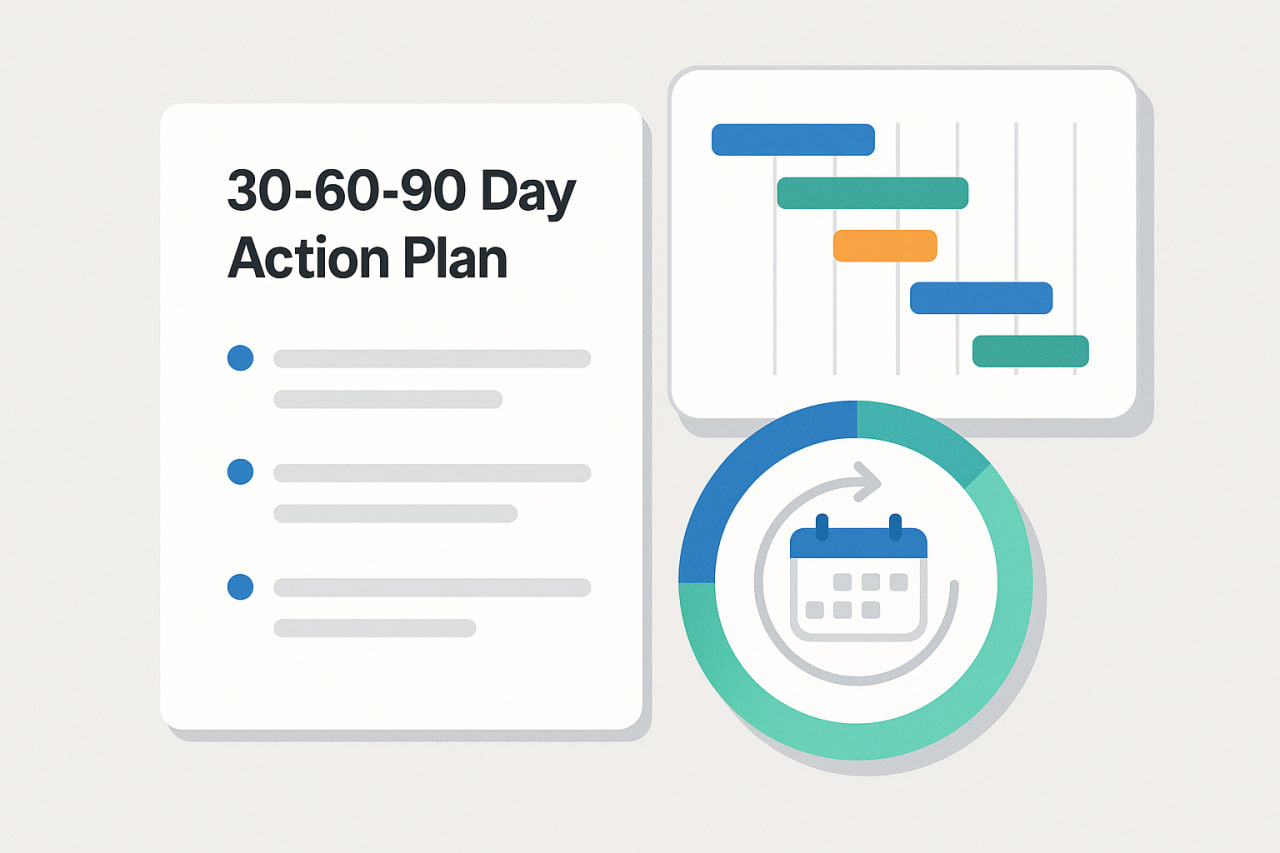
Breaking your strategy into clear, time-based phases helps clients see the path ahead. In the first 30 days, your efforts might center on research and foundation-building—think social profile audits, competitive analysis, and drafting a tailored content calendar. Moving into days 31-60, you’ll roll out campaigns, publish posts, and start gathering engagement data, allowing you to fine-tune messaging and creative assets. By the final 30 days, the focus shifts to optimization and reporting, where you double down on what’s working, make data-driven improvements, and deliver a transparent performance summary. This phased approach transforms big ambitions into achievable steps and makes progress **measurable** from day one.
Visualizing Activities and Deadlines with Charts and Calendars
Bringing your plan to life visually can make all the difference. Presenting tasks and milestones on a calendar or in a color-coded Gantt chart transforms complex schedules into something clients can instantly understand. Clients appreciate seeing how each activity fits together—whether it’s a campaign launch, a content review, or a scheduled performance check-in. Visual tools let your clients scan the plan at a glance, reducing confusion and keeping everyone aligned. When every deadline is clear and every deliverable is visible, you demonstrate both organization and reliability, strengthening your client’s confidence in your process.
Understanding exactly what you’re paying for can make all the difference when choosing a service partner. By offering a direct look at how costs are calculated and what’s included, you empower yourself to make confident, well-informed decisions that align with your goals.
Breaking Down Pricing, Packages, and Investment Details
Transparent Fee Structures and Payment Schedules
Clarity is essential when it comes to investment details. Lay out each fee clearly—management, advertising, content creation, or platform-specific charges—so there’s no room for uncertainty. Organize your options into packages that match different business needs, allowing you to see exactly what you’re getting at each level. Each package should list included services and specify if payments are required upfront, on a monthly basis, or at certain project milestones. By using simple tables or checklists, you can easily compare offerings and spot the best fit. Don’t forget to include all taxes and any mandatory fees, ensuring there are zero hidden surprises. This level of transparency not only builds trust but also streamlines your decision-making process.
How to Present Optional Extras and Discounts for Upselling
For those seeking more value, optional extras can transform a standard package into a tailored solution. Offer these add-ons—like advanced analytics, extra posts, or premium support—as distinct choices, making them simple to understand and select. Interactive proposal tools with checkboxes or toggles make customization effortless. Consider providing discounts for bundling services or committing to longer terms, and make these savings crystal clear. Highlight the added benefits and cost reductions so you can easily weigh the advantages. Structuring your proposal this way encourages you to invest more where it matters most—while always feeling in control and reassured by the tangible value you’re receiving.
Trust and transparency set the foundation for any successful client partnership. When potential clients can see exactly who will champion their projects and learn about real results you’ve achieved, their confidence in your agency grows. This section reveals how to present your team and highlight your proudest achievements to strengthen every proposal you send out.
Showcasing Your Team and Success Stories
Introducing Key Players and Their Roles
Letting prospective clients get to know your team is more than a formality—it’s a chance to demonstrate the unique strengths and personalities behind your agency. In your “About Us” section, introduce the professionals who will be working directly on client accounts. For each team member, highlight:
- Expertise in specific platforms or campaign types
- Relevant certifications or notable experience
- Their approach to collaboration and client support
Sharing these details helps clients connect with your agency on a personal level. When they see who’s responsible for strategy, content creation, and community engagement, they feel reassured that their brand is in capable hands. A dedicated support team further reinforces your agency’s commitment to responsive service and meaningful results.
Leveraging Testimonials and Case Studies for Proof
There’s no substitute for real-world evidence when it comes to winning trust. Incorporate authentic testimonials from satisfied clients to showcase your agency’s impact. These endorsements should highlight specific wins—such as:
- Significant increases in follower engagement
- Successful brand launches or campaign rollouts
- Measurable growth in online presence
Complement testimonials with detailed case studies that walk prospects through your process, from initial challenge to final outcome. Use clear metrics and client feedback to paint a vivid picture of your success stories. By sharing these proofs, you make it easy for potential clients to envision their own results, moving you one step closer to a signed agreement.
Feeling confident about your agreement isn’t just about what’s being offered—it’s about knowing exactly how each commitment will be honored. When everything is clearly outlined, you can focus on building a strong working relationship without second-guessing the details.
Clarifying Terms, Contracts (Statement of Work), and Legal Essentials
Key Clauses to Protect Both Parties
To shield both you and your client from confusion or disputes, it’s essential to include several critical elements in your agreement. These key clauses should spell out the specifics, so both sides are on the same page from day one. Pay special attention to:
- Service and Payment Terms—Define what will be delivered, when, and how payments will be handled, including any late fees.
- Intellectual Property—State who owns the content, and what rights each party has to use it.
- Confidentiality—Protect private information with clear non-disclosure terms.
- Termination Clause—Detail how and when either party can end the agreement, and what happens next.
- Liability and Indemnification—Clarify responsibilities if things go wrong, and who covers what risks.
- Amendments—Explain how any changes to the contract will be handled.
- Dispute Resolution—Lay out what steps to take if disagreements arise.
Including these elements not only minimizes risk but also boosts your credibility and reassures clients that they’re working with a professional.
Best Practices for Electronic Signature (eSignature) Integration
Signing agreements no longer needs to be a hassle. By embracing eSignature solutions, you streamline the entire approval process while maintaining legal validity. Here’s how to make integration seamless:
- Add a clear signature section at the end of your proposal so nothing gets missed.
- Choose a trusted eSignature platform that ensures security, provides audit trails, and stores signed documents safely.
- Let your client know that electronic signatures are both fast and legally binding.
- Make the full document, including the Statement of Work and all terms, easy to review before signing.
- Send confirmation and a copy of the signed agreement to everyone involved right away.
This approach speeds up deal closures, improves transparency, and gives both parties peace of mind, making your workflow smoother and more professional.
Once your offer is in front of a potential client, the right approach can make all the difference between hesitation and a confident “yes.” Setting clear expectations for what comes next reassures your prospects and keeps your collaboration on track.
Guiding Prospects Through the Next Steps to Seal the Deal
Follow-Up Strategies and Scheduling Client Meetings
Clarity is key when outlining your follow-up steps. After sharing your proposal, make it clear when and how you’ll reach out next—whether that’s a scheduled phone call, a virtual meeting, or a simple check-in email. By providing a specific date and method for your follow-up, you show reliability and keep momentum alive. Some platforms offer automated scheduling, so your prospects can easily pick a convenient time without endless emails. When you spell out these details, you save everyone time and reduce uncertainty. This approach helps you stand out as organized and attentive, increasing the likelihood of moving discussions forward.
Making Sign-Off Simple and Streamlined
Simplifying the agreement process removes barriers and builds trust. Include a section in your proposal that explains exactly how clients can review and approve the terms. With secure e-signature tools, sign-off becomes quick and legally binding—no printing or scanning required. Break down fees, deliverables, and terms right next to the signature field to provide full transparency. Online platforms eliminate hurdles such as file size limits or confusing document versions, making the final step smooth and intuitive. By making it effortless to say “yes,” you can accelerate approvals and help your prospects move forward confidently.
Speed and clarity can make all the difference between a proposal that sits unread and one that prompts immediate action. By embracing digital tools and smart analytics, you can transform how your offers are sent, tracked, and refined—helping you stand out to potential clients while streamlining your workflow.
Best Practices for Sending, Tracking, and Analyzing Proposals Online
Leveraging Proposal Software for Efficiency and Insight
Managing proposals becomes remarkably smoother when you adopt the right software. With modern platforms, you can quickly customize templates, adjust content and visuals, and weave your unique branding throughout each document. These systems allow for easy editing and branding, so you always present a polished, tailored offer. Features like online signatures are a real game-changer—clients can approve proposals up to 60% faster, making the process feel effortless and professional. Instead of juggling bulky attachments or worrying about delivery issues, simply send a secure online link. This eliminates the hassle for your client and ensures your proposal is always accessible. Interactive pricing tables, pre-written sections, and the ability to showcase your team and testimonials all contribute to a more engaging and persuasive experience. By keeping everything organized and consistent, you’ll not only boost efficiency but also enhance your agency’s credibility and increase your chances of winning new business. For anyone seeking **efficiency** in their client communications, these tools are indispensable.
How Analytics Drive Higher Close Rates
Having visibility into how prospects interact with your proposals unlocks a new level of control. With detailed analytics, you can see when a proposal is opened, how long each section holds attention, and who else might be reviewing the offer. This information empowers you to reach out at exactly the right moment and tailor your follow-up to each client’s interests. If you notice a particular section attracting attention, you can emphasize those points in conversations or tweak future proposals for even stronger impact. No more guessing games—analytics help you focus your efforts on the most engaged leads and respond to hesitations before they become obstacles. Integrated e-signatures make approvals swift and convenient, keeping deals moving forward. Ultimately, these insights turn your proposal process into a dynamic, responsive engine that drives much higher **close** rates.
Understanding the finer details of how a proposal is structured and what it should include can make all the difference when you’re aiming for clarity and alignment in your next collaboration. Let’s break down what you need to know to feel fully confident throughout the process.
Frequently Asked Questions about Social Media Proposals
Proposal Length, Customization, and Workflow Integration
Crafting an effective plan for your digital campaigns means balancing thoroughness with brevity. Most documents in this category are about 11 pages long, divided into 7 clearly defined sections. This allows you to cover every essential detail—from a compelling cover page to a transparent fee breakdown—without overwhelming your audience. Customization stands out as a key advantage; you can adapt copy, visuals, and layout to match your agency’s unique style and the client’s specific goals. Each section, such as the scope of services and project timeline, should be tailored to speak directly to the client’s needs. Modern tools make workflow integration seamless. For example, you can send secure proposal links, track which pages clients view, and collect e-signatures with ease. This approach not only streamlines the approval process but also helps you close deals faster. Establishing a predictable workflow—from client onboarding through to final sign-off—keeps your team efficient and your clients informed every step of the way.
What Clients Should Know Before Signing
Before you sign, pay close attention to the specifics. The document should clearly spell out project objectives, deliverables, timelines, and budget so there are no surprises later. Look for details about which platforms will be used, strategies to achieve your goals, and how progress will be measured. Ensure all terms—like payment schedules, contract length, and cancellation policies—are presented in plain language. You deserve **transparency** about pricing and the team assigned to your project, along with real examples of past results. Don’t forget to review how communication, reporting, and approvals will be handled throughout the partnership. A well-defined “next steps” section means you’ll always know what happens after you agree, setting the stage for a smooth experience from the very start.
Building trust with potential clients often starts with how you present your solutions. When every minute counts, having a toolkit of professional resources can set you apart and let you focus on what matters—delivering value and results.
Ready-to-Use Social Media Proposal Templates and Examples
Downloadable Templates for Immediate Use
For those in marketing, efficiency and professionalism go hand in hand. Free, customizable resources from platforms like Proposify make it simple to put together an impressive package for any project. These ready-made files cover each essential section, including:
- Striking cover pages and persuasive introductions
- Clear scope of services and defined timelines
- Team overviews and compelling case studies
- Itemized pricing, terms, and digital signature options
You can easily download and tailor these documents to match your branding and the specifics of every client. With formats available for instant editing—whether through a free trial or Google Drive—you’ll save precious time while keeping your presentations polished and consistent. By using these resources, you’ll confidently set expectations, communicate your process, and move deals forward with speed and clarity.
Real-World Examples that Landed Clients
Seeing what works in action helps you craft proposals that resonate. Examples that have actually won business share several standout elements:
- Concise executive summaries focused on client needs
- SMART goals and tailored service breakdowns
- Transparent pricing—no surprises
- Case studies or testimonials that highlight results
- Easy-to-follow next steps and integrated e-signatures
These real proposals make your value obvious and your process seamless. By mirroring proven frameworks, you not only inspire confidence but also increase your chances of sealing the deal and building lasting partnerships. Let these examples guide your next client pitch and watch your success rate rise.
Conclusion
Mastering your social media proposals isn’t just about ticking boxes—it’s about setting yourself apart with clarity, professionalism, and a client-focused approach at every step. By applying the strategies and templates outlined here, you can create documents that not only look polished but also anticipate client concerns, showcase your unique strengths, and make collaboration feel seamless from the very first interaction. The real advantage lies in combining transparent pricing, compelling case studies, and streamlined digital workflows to build trust and accelerate approvals. Why not pick one of the ready-to-use templates today and personalize the cover page for your next pitch? See how a small shift in presentation can make a major impact on client response and your close rates. For those eager to delve deeper into optimizing each section, exploring detailed guides on proposal structure and analytics can unlock even more opportunities to win business and foster long-term partnerships.

Related Posts