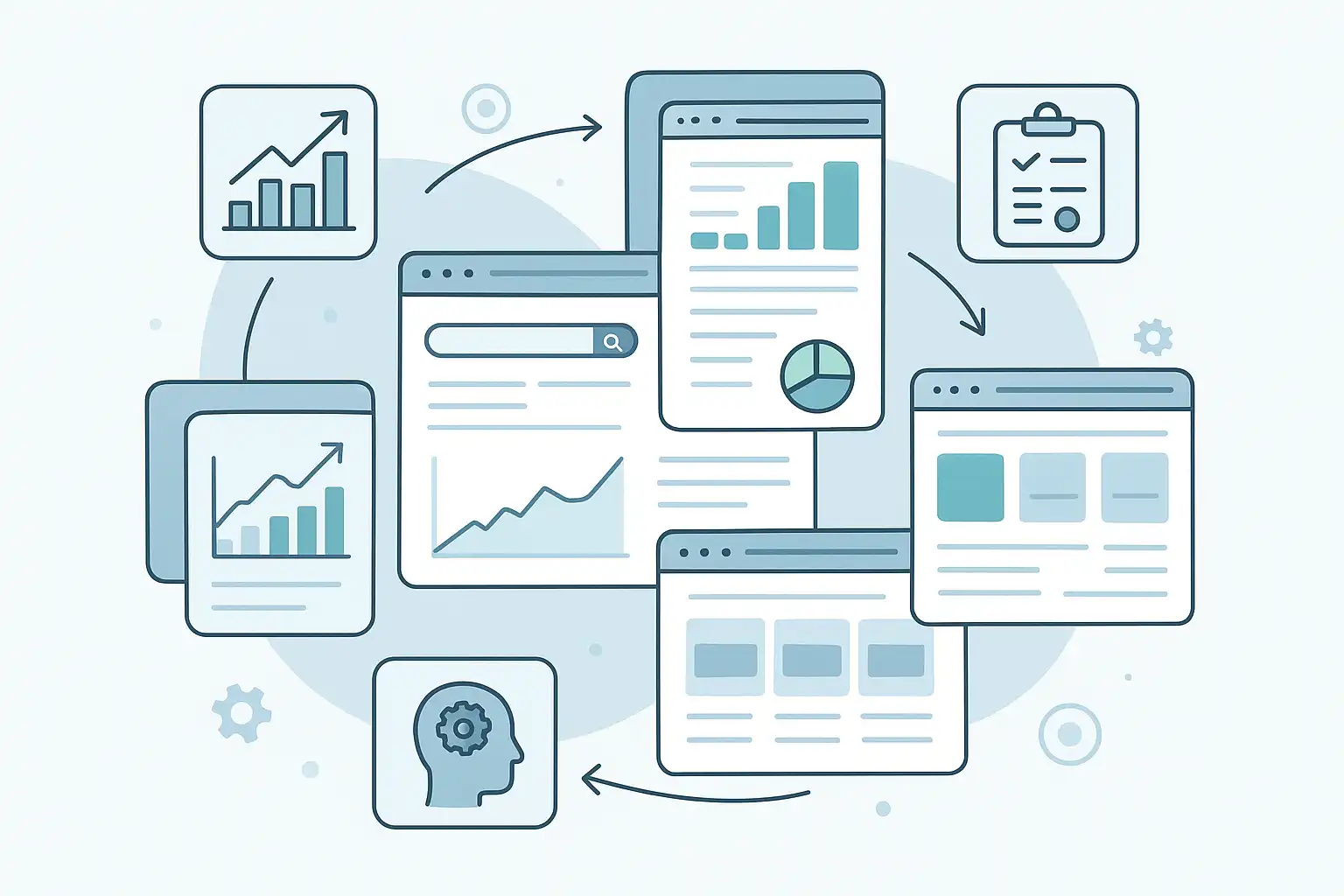
If you want to harness the power of video to grow your business or personal brand, a video marketing strategy course is the place to start. In just a few lessons, you can learn how to create, distribute, and optimize videos that help your message reach more people. Whether you’re a business owner, marketer, or creative, understanding the process behind a strong video marketing strategy is now a must-have skill. This article will guide you through what a video marketing strategy course covers, why it matters, and how you can use these skills to expand your reach—no prior experience needed.
What is a video marketing strategy course?
A video marketing strategy course teaches you how to use videos effectively for business growth. Rather than just focusing on video production, the course explores every step from planning to publishing and promotion. It’s about more than making videos—it’s about ensuring your videos achieve specific business goals.
Courses are designed for all skill levels. They help businesses, entrepreneurs, and marketers use video to reach target audiences, improve engagement, and increase sales. The curriculum combines creative and technical skills, so learners gain a complete understanding of modern video marketing.
Why is video marketing essential to business growth?
Video content is everywhere today. According to a recent report, over 80% of internet traffic comes from video. Whether it’s short clips on social media, how-to videos, or live streams, businesses use video to connect with people in a more personal, memorable way.
Video marketing boosts brand awareness, drives website traffic, and increases customer trust. Because videos are engaging and easy to share, they can deliver a message quickly. Many customers even prefer watching a video over reading text about a product or service.
Benefits of a structured video marketing strategy
- Higher engagement: Videos catch attention and are more likely to be shared or commented on.
- Better conversion rates: Audiences who watch product demos or explainer videos are more likely to make a purchase.
- Improved search rankings: Optimized videos help your site appear higher on Google and YouTube.
- Stronger brand recall: Visual storytelling helps people remember your brand.

What do you learn in a video marketing strategy course?
An effective course covers both the fundamentals and the latest techniques in video marketing. Here are the key components you can expect to learn:
- Defining goals and KPIs: Learn to set clear objectives, such as increasing leads, boosting sales, or raising brand awareness. You’ll identify key performance indicators (KPIs) to track progress.
- Understanding your target audience: Discover how to create detailed audience personas and analyze behaviors so you can design content that resonates.
- Choosing your video types: Explore formats like explainer videos, product demos, testimonials, and tutorials. The course shows which types work best at each customer journey stage.
- Building a content calendar: See how to schedule videos for regular, consistent publishing, making your channel or page active and reliable.
- Video SEO and distribution: Learn how to optimize video titles, descriptions, and tags for search engines. Effective distribution tactics across platforms like YouTube, Instagram, TikTok, and LinkedIn are a big focus.
- Cross-channel promotion strategies: Master promoting videos across social media, email campaigns, and paid ads to reach the widest audience possible.
- Measuring and improving performance: Get comfortable with video analytics tools. Analyze watch time, engagement rates, and conversions to refine your approach.
- Adopting new trends and technologies: Stay current with AI-powered video tools, interactive or shoppable video features, and live content.
Essential skills you’ll gain
- Video planning and content strategy
- Audience research and segmentation
- Scriptwriting and storyboarding basics
- Simple video creation and editing skills
- SEO optimization for video content
- Cross-channel campaign management
- Analyzing and reporting video results
- Adapting to new video marketing tools and AI trends
How does a video marketing strategy course increase engagement?
One of the main reasons people enroll in a video marketing strategy course is to learn how to create videos that truly engage an audience. Engagement is more than just views—it’s about holding interest, encouraging interaction, and guiding viewers toward action.
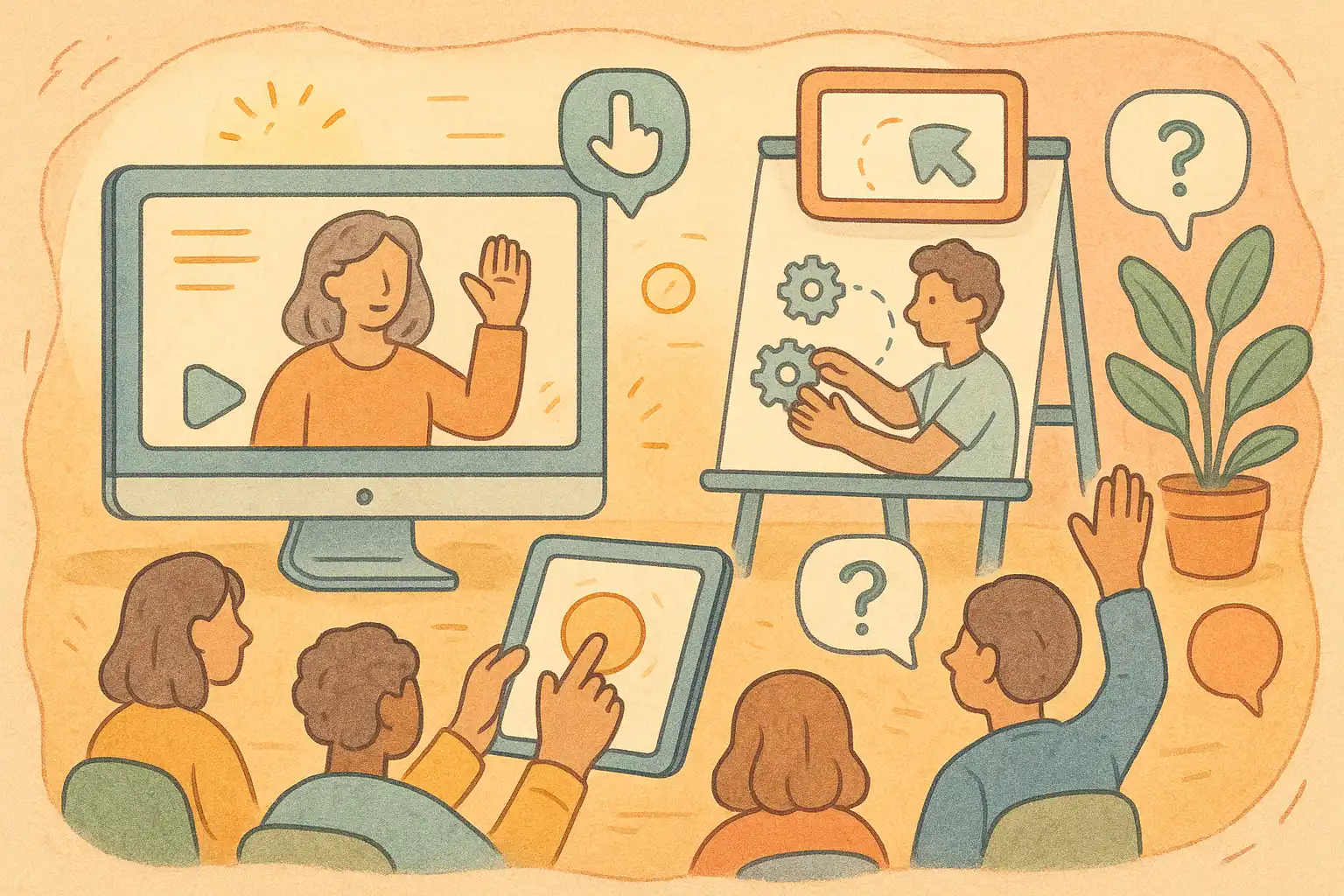
Courses teach how to match video types and messages to your audience’s needs and the stage they’re in. For example, short and fun videos might attract new viewers, while longer testimonials or demos convert viewers into customers. By learning about interactive videos and live streaming, you can create content that lets viewers participate, ask questions, or even shop directly from the video.
Tips for boosting video engagement
- Start with a strong hook within the first few seconds.
- Use storytelling to connect emotionally.
- End with a clear call to action (subscribe, buy, learn more).
- Keep videos concise and purposeful.
- Optimize for silent playback using captions.
What tools and platforms are covered?
Modern video marketing strategy courses guide you through the most popular platforms and software. You’ll learn to use tools like:
- Video creation/editing: Adobe Premiere Pro, CapCut, iMovie, Canva, and other user-friendly editors.
- Hosting and sharing: YouTube, Vimeo, TikTok, Instagram, Facebook, and LinkedIn video posts.
- Analytics platforms: YouTube Analytics, Google Analytics, and social media insights to measure results.
- AI video tools: Platforms like Lumen5, Synthesia, and InVideo help automate video creation and personalization.
How do you measure video marketing success?
Success in video marketing is about achieving your set goals. Courses show how to track performance from start to finish. You’ll learn to use analytics dashboards to review metrics such as:
- Watch time
- View count
- Engagement (likes, shares, comments)
- Click-through rate
- Conversion rate (how many viewers take action)
- Audience retention (how long people watch)
By analyzing this data regularly, you can refine your strategy, test new approaches, and keep improving your results.
What makes a great video marketing strategy course?
Not all courses are created equal. The best ones include hands-on assignments, current case studies, and plenty of real-world examples. Look for courses that stay updated with industry trends, such as AI-powered video personalization, interactive formats, and cross-channel promotion techniques. A supportive community or mentorship can also help you apply lessons to your unique challenges.
Signs of a strong course
- Step-by-step video marketing frameworks
- Guidance on video content calendar creation
- Up-to-date tactics for video SEO and promotion
- Advice on using multiple platforms (YouTube, social, email)
- Focus on analytics and continuous improvement
How can you apply video marketing skills right away?
With the practical skills from a video marketing strategy course, you can produce your first video campaign even if you’re new to the field. Start with a simple goal, like introducing your business or sharing a customer testimonial. Use your new knowledge to optimize the video’s title and description for search, post it on your top channels, and measure its performance.
Over time, you’ll be able to plan bigger campaigns, collaborate with others, and use advanced tools such as AI-powered video creation or interactive shopping features. As you practice, you’ll discover what resonates with your audience and build your brand’s credibility and reach.
Frequently Asked Questions (FAQ)
Q1: Who should take a video marketing strategy course?
Anyone interested in using video to promote a brand, product, or idea will benefit. This includes small business owners, marketers, content creators, and freelancers. No advanced tech skills are required to begin.
Q2: Do I need expensive equipment to start?
No. Basic videos can be made with a smartphone and free editing apps. As you grow, you can invest in cameras, microphones, and professional software, but starting simple often works best.
Q3: How long does it take to see results?
Results depend on your goals and how consistently you apply what you learn. Some brands see engagement increase in weeks, while long-term growth may take a few months of regular content posting and refinement.
Q4: What if I’m not comfortable on camera?
That’s common! Many successful video marketers use animation, screen recordings, or voiceovers instead of appearing on camera. Courses often teach a range of content formats to suit different comfort levels.
In summary, a video marketing strategy course gives you the guidance, skills, and confidence to grow your brand with engaging video content. With practice and the right techniques, anyone can succeed in the world of video marketing—no matter your starting point.