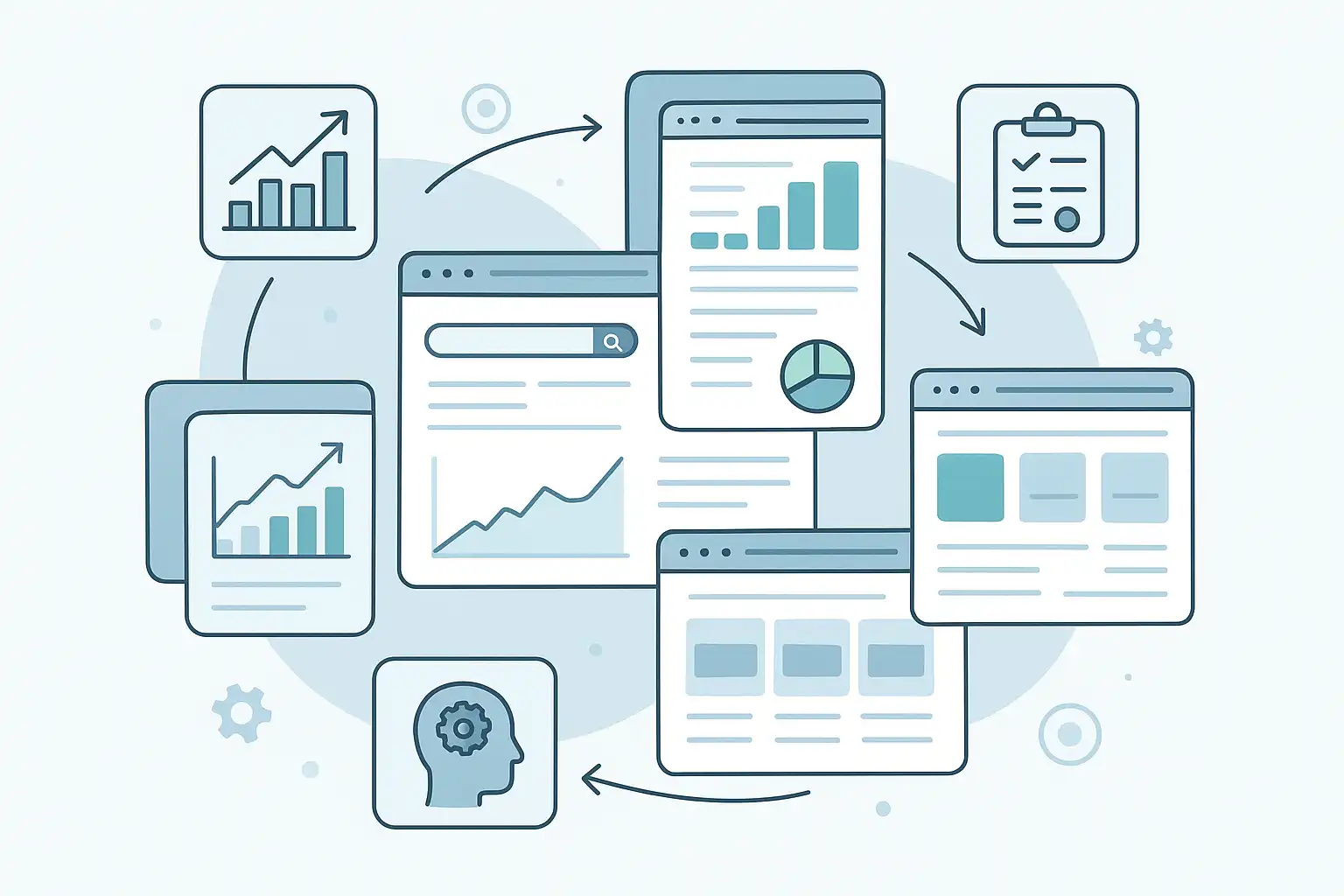
If you want your website to appear at the top of search results, following proven SEO content best practices is essential. These methods help search engines understand your pages and deliver them to people searching for what you offer. The most effective techniques include placing your main keyword early in your content, crafting unique and compelling titles and meta descriptions, and making sure each page is easy for users to navigate. Optimizing technical aspects, like page speed and image loading, further boosts your ranking potential. Let’s explore the actionable steps and strategies for higher search rankings using accessible, proven SEO content best practices.
What Are the Fundamental SEO Content Best Practices?
The foundation of SEO content starts with knowing your target audience and their search intent. Begin by conducting thorough keyword research to discover the words and phrases people are likely to use when searching for your topic. Using tools like Google Keyword Planner, SEMrush, or Ahrefs, you can find high-value terms that suit your goals.
Keyword placement is also crucial. Experts recommend placing your main keyword within the first 100 words of your article. This signals relevance to search engines. For example, if you’re discussing content strategy, you would mention it early, naturally, and then use synonyms and related terms throughout your content. Avoid keyword stuffing—overusing keywords disrupts the reading experience and can hurt rankings.
Optimizing On-Page Elements
For each page, write a clear, unique title tag that starts with your primary keyword. Limit your title to 60–70 characters so it displays properly in search results. Use only one main keyword per title for focus and clarity. Create a meta description—this short summary appears below your title in results. It should be informative, include the keyword, and encourage clicks, all within about 160 characters.
Enhancing Content Quality and Uniqueness
Original, in-depth content answers users’ questions fully. Pages that stand out by providing value, practical insights, or unique perspectives tend to attract more visitors. For example, sharing practical tips or checklists—like a quick guide on blog post planning techniques for marketing—keeps your audience engaged and builds authority. Always aim for well-researched, factual writing and cite credible sources when possible.
How Can You Optimize Technical Elements for Better Rankings?
Technical SEO is just as important as your written content. It ensures that search engines can find, crawl, and index your pages efficiently. Focus first on website speed. A fast-loading website improves user experience and reduces bounce rates—a key ranking factor. Tools like Google PageSpeed Insights show your current speed and provide suggestions for improvement, such as compressing images, using lightweight themes, activating lazy loading, and setting up a Content Delivery Network (CDN).
Mobile Usability and Accessibility
Most searches now happen on mobile devices. Make sure your site is responsive—meaning it displays well on screens of all sizes. Regularly check your Google Search Console for mobile usability errors and fix them quickly. Good accessibility also means using clear headings, descriptive alt text for images, and logical content organization, so everyone (including people with disabilities) can use your site easily.
Optimizing Images for SEO
Images should load quickly and help tell your story. To achieve this, use descriptive filenames and add alt text—short descriptions that help search engines understand the image’s content. This also improves your chances of ranking in image searches. Compress images before uploading to save bandwidth and ensure speedy loading times.

What Role Does Internal and External Linking Play?
Linking helps search engines understand your site’s structure and pass authority between pages. Internal links point to other pages within your website. Use keyword-rich anchor text—a short phrase describing the destination—to help both users and search engines understand the context. For example, you might reference a B2B content strategy simple guide in an article aimed at business owners. This not only keeps visitors engaged but shares authority with important pages.
External links direct users to other trusted sources. Linking out to credible sites adds value and can improve your own site’s trustworthiness in the eyes of search engines. However, always make sure external links are relevant, up-to-date, and open in a new tab to hold users’ attention on your website.
Building High-Quality Backlinks
Backlinks are links from other websites to your own. They act as “votes of confidence,” proving your content is valuable. High-quality backlinks, such as those from respected industry sites or news outlets, carry more weight. Focus on creating helpful resources, guides, or infographics people want to reference. Use outreach techniques—like guest posting or collaborating with influencers—to secure these valuable links.
How Can You Measure and Adjust Your SEO Content Strategy?
Tracking performance is vital for ongoing SEO success. Google Search Console is the go-to tool for monitoring your site’s visibility, indexing status, and mobile friendliness. It also highlights issues like broken links, slow-loading pages, or missing metadata, so you can address problems promptly.
- Monitor organic search traffic and keyword rankings regularly.
- Analyze bounce rates—how often people leave your page quickly without interacting.
- Look at time-on-page and conversion rates to gauge engagement.
- Compare top-performing pages to those that need improvement.
With this data, adjust your content by refreshing old posts, targeting new keywords, or restructuring pages for clarity. This continuous cycle forms the backbone of successful SEO content best practices and keeps your site competitive.
Advanced Tools for Keyword and Performance Tracking
SEO tools like SEMrush, Ahrefs, or Moz let you dive deeper into keyword trends, backlinks, and technical errors. They track your progress over time and reveal what your competitors are doing right. For content planning and organization, you might find value in learning what is content planning explained so that you can build a sustainable and scalable strategy for new content ideas.
FAQ: SEO Content Best Practices
How often should I update my content for SEO?
Regularly review and update your most important pages—ideally every few months. Fresh content often performs better and signals to search engines that your website is active. Update statistics, links, and ensure your advice remains current.
Is it better to focus on one keyword per page or several?
Focusing on one main keyword per page is usually best, but supporting terms and synonyms help capture a broader audience. Place your primary keyword early, then use related phrases naturally throughout the text.
What is the ideal content length for SEO purposes?
There’s no perfect length, but longer, in-depth content tends to rank higher. Aim for at least 800–1200 words per article, but always prioritize clarity and usefulness over word count.
How can internal linking boost my SEO?
Internal links distribute authority between your pages and help search engines discover and prioritize new or important pages. Linking to relevant resources keeps users engaged and highlights your expertise on the subject.