If you want to increase conversions and make the most of your marketing budget, sales funnel optimization is essential. In simple terms, sales funnel optimization means improving every stage of your customer journey so more visitors become loyal customers. Whether you’re a marketer, business owner, or just starting out in ecommerce, understanding and applying these strategies can mean more sales, less wasted effort, and happier customers. Let’s explore how to optimize your conversion funnel for higher performance and lasting results.
What is sales funnel optimization and why does it matter?
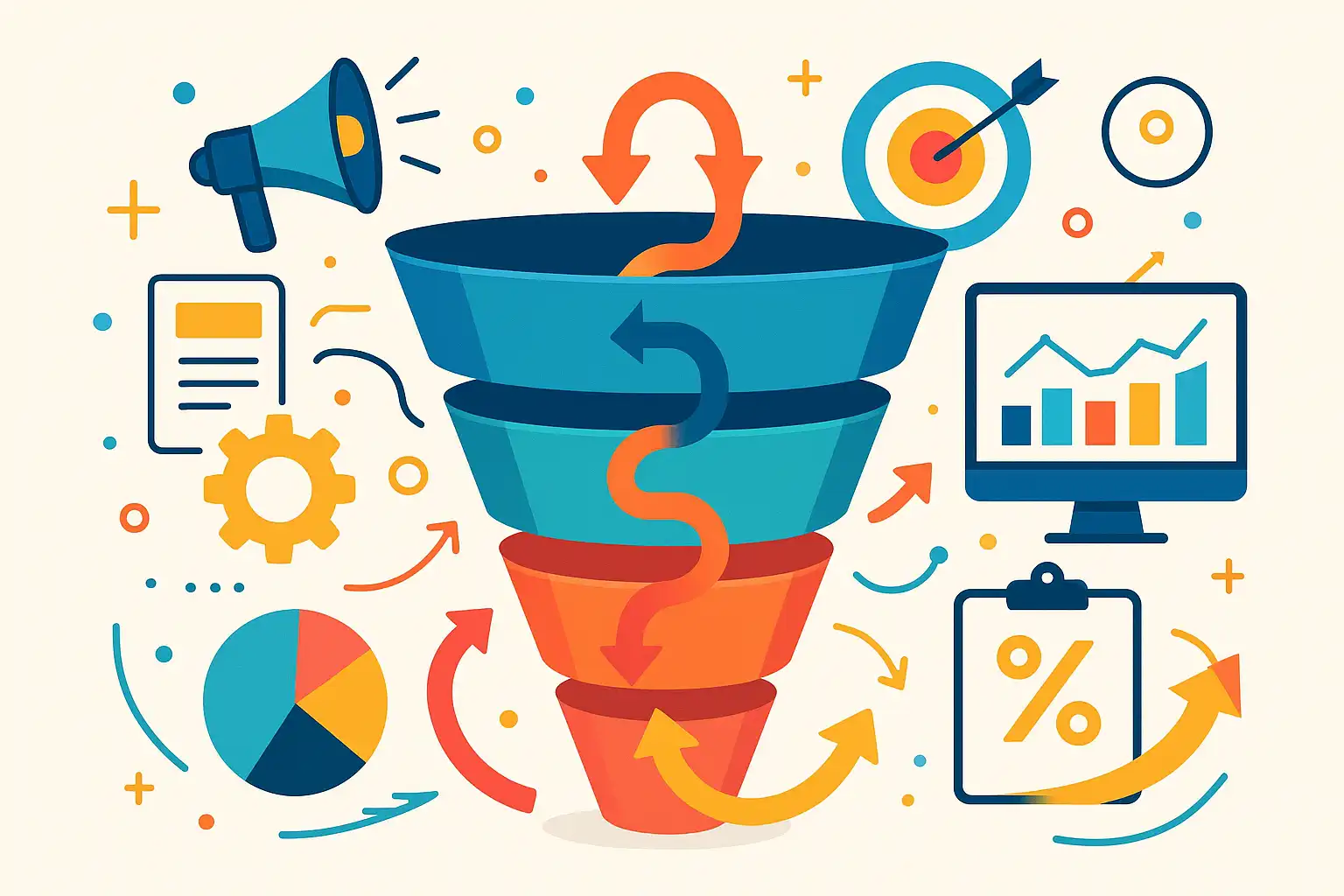
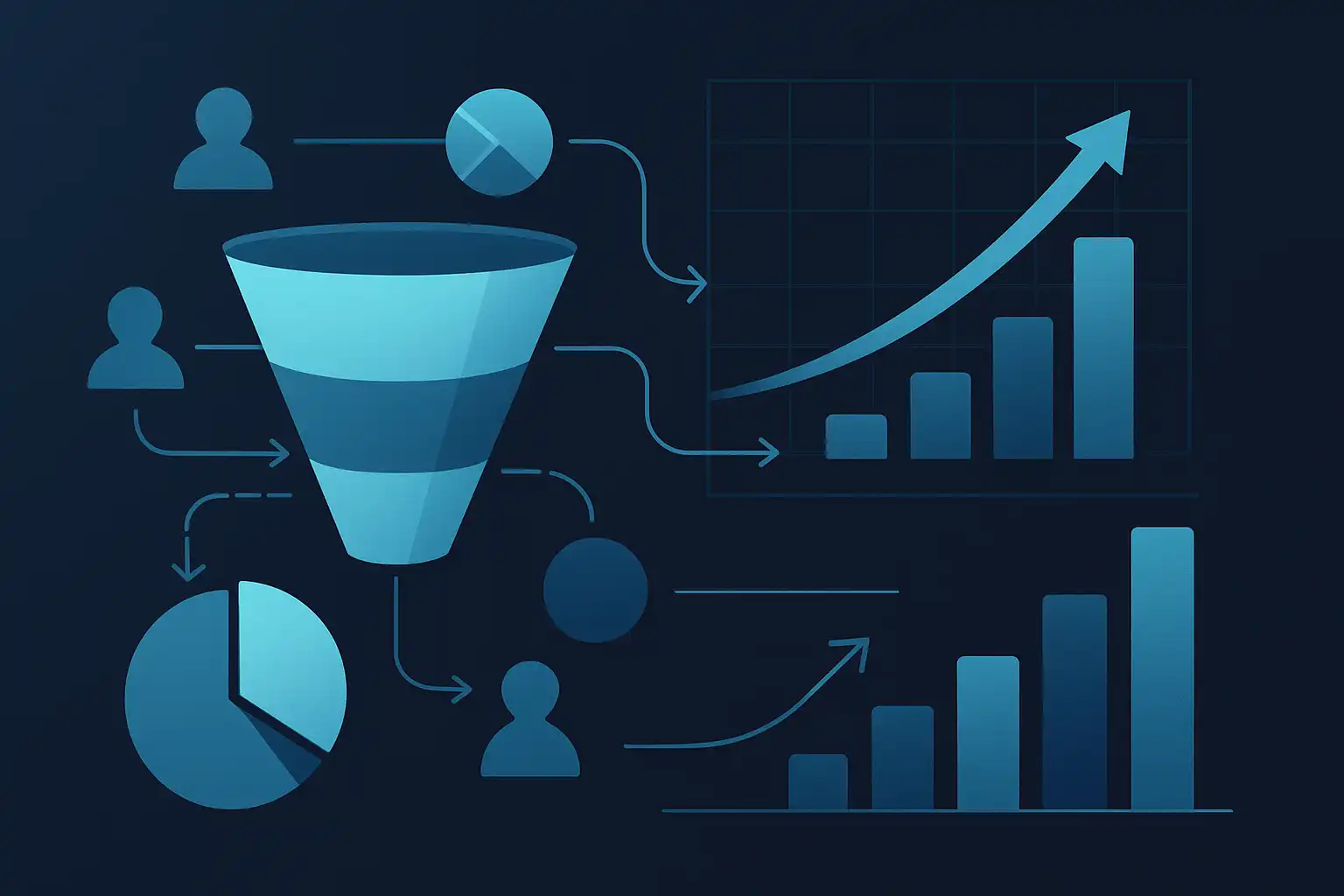
Sales funnel optimization is the process of analyzing and enhancing each step of your sales funnel. A sales funnel is like a roadmap that leads your prospects from learning about your business to making a purchase—and hopefully, coming back for more. When each funnel stage works well, potential customers smoothly move from awareness to interest, to decision, to action, and finally, to loyalty.
Why focus on optimization? Because most websites lose many potential customers at every stage. If you fix bottlenecks and improve engagement at each step, you’ll boost your overall conversion rate, increase revenue, and build stronger relationships with your audience. The process is ongoing—continuous improvement helps you adapt to changes in customer behavior, trends, or competition.
How do you optimize each stage of the sales funnel for conversions?
To optimize your sales funnel, start by breaking it down into clear stages. Most marketers use four or five main steps, often called: Awareness, Interest, Desire, Action, and sometimes Re-engagement. Each stage has a specific purpose and requires tailored tactics.
1. Awareness: Attract and Engage
This is the top of the funnel (TOFU), where prospects first discover your brand. Here, focus on getting attention and introducing value. Use SEO, social media, paid ads, and helpful blog posts to reach the right audience. For example, creating valuable content that answers common questions in your field will not only draw visitors but also build trust. You might want to consider how strategies like funnel optimization strategies for better conversions can help improve your efforts at this stage.
2. Interest: Educate and Nurture
Once you have their attention, keep prospects interested. Offer in-depth guides, case studies, webinars, or downloadable resources. Email marketing is especially useful here. Segment your audience so you can send the right content to the right people. Personalized communications, such as emails addressing pain points or showcasing relevant products, will keep leads engaged and move them closer to a buying decision.
3. Desire: Build Confidence and Urgency
In the middle of the funnel (MOFU), your goal is to show prospects why your solution is the best. Use testimonials, customer reviews, social proof, and interactive demos. Webinars or short videos can help explain complex products. Highlight benefits and differentiate what you offer from competitors. If possible, offer a limited-time deal or bonus to make action even more appealing.
4. Action: Make It Easy to Convert
The bottom of the funnel (BOFU) is where leads decide to buy. Remove as many barriers as possible: use clear calls to action (CTAs), short and simple forms, transparent pricing, and easy checkout steps. Address last-minute doubts with live chat or FAQs. For online stores, showing trust badges, secure payment icons, and a strong return policy can help reassure buyers and increase your landing page conversion rates.
5. Re-engagement and Loyalty: Turn Customers into Fans
Your work isn’t done after the sale. Use post-purchase emails, loyalty programs, and exclusive offers to bring customers back. Encourage feedback and reviews. By keeping your brand top-of-mind, you can transform a one-time buyer into a repeat customer and even a brand advocate. For more on nurturing loyalty, check out resources like customer retention marketing content tips for actionable strategies.
What steps are involved in effective sales funnel optimization?
Optimizing your sales funnel requires both strategy and action. Here’s a step-by-step process to make it clear:
- Define goals for each funnel stage. Decide what success looks like at every phase—whether it’s newsletter sign-ups, downloads, product demos, or purchases.
- Map the customer journey. Visualize how prospects move from first contact to loyal customer. Identify key touchpoints on your website, emails, ads, and social media.
- Analyze user behavior. Use analytics to track where visitors drop off. Tools like Google Analytics, Hotjar, or Microsoft Clarity can show you patterns, heatmaps, and session replays to help spot issues.
- Identify bottlenecks and friction points. Look for stages where conversion rates are low or where users abandon the process. This might be a confusing form, a slow-loading page, or unclear messaging.
- Test and optimize. Regularly run A/B tests on landing pages, CTAs, and email content. Adjust based on what works best for your audience.
- Segment and personalize. The more relevant your message, the higher your conversions. Divide users by demographics, behaviors, or interests, and tailor your content for each group.
- Monitor results and repeat. Continually measure key metrics such as conversion rate, average order value (AOV), cost per acquisition (CPA), lifetime value (LTV), and engagement rate. Use findings to keep improving.
Addressing Common Challenges
Sales funnel optimization isn’t always easy. You might face issues like team misalignment, high churn, or quickly shifting market trends. The best approach is to foster clear communication, invest in upskilling your team, and be ready to adapt your strategy as you gather new data. If you’re looking for more insights, exploring topics like buyer journey in marketing content can help clarify how different marketing touchpoints shape your funnel’s effectiveness.
Which metrics and tools should you track for sales funnel optimization?
To optimize effectively, you need to measure what matters. Here are key metrics and tools to help you track your sales funnel performance:
- Conversion Rate: The percentage of visitors who take a desired action at each funnel stage.
- Click-Through Rate (CTR): How many people click your ads or links compared to those who see them.
- Cost Per Acquisition (CPA): How much you spend to acquire each new customer.
- Lifetime Value (LTV): The total value a customer brings over their entire relationship with your business.
- Average Order Value (AOV): The typical amount spent per purchase.
- Engagement Rate: How often users interact with your emails, pages, or products.
For tracking and analysis, top tools include:
- Google Analytics 4: For in-depth funnel analysis and audience tracking.
- Unbounce: For building landing pages and running A/B tests.
- VWO, Hotjar, Microsoft Clarity: For heatmaps, user session replays, and behavior analytics.
- Mixpanel, Amplitude, Heap: For visualizing user journeys and conversion events.
- Pendo, Userpilot, Fullstory: For product analytics and improving user experience.
Using Data to Drive Improvement
Analytics tools help you collect real insights—like where visitors get confused, which pages cause drop-offs, or which messages inspire action. By monitoring your funnel metrics, you can spot and fix weak points, ultimately helping you customer retention examples that lead to lasting business growth.
How does analyzing user behavior increase conversion rates?
Understanding how users interact with your funnel means you can make changes that have a real impact. For instance, if you see many visitors leaving a landing page quickly, you might test a new headline, add a video, or make your call to action more prominent. If leads open your emails but don’t click, you can test new subject lines or offers. These optimizations don’t require huge budgets—they rely on data and thoughtful adjustments. Tools like Hotjar and Microsoft Clarity reveal exactly how users move through your site, so you can improve the journey where it matters most.
Examples of Funnel Improvements
Let’s say your checkout page has a high abandonment rate. You might discover that the form is too long or the shipping information isn’t clear. By simplifying the process and adding trust signals, you can increase completed purchases. Or perhaps your blog draws plenty of visitors, but very few join your mailing list. Offering a useful lead magnet in exchange for an email can help you capture more leads and nurture them through follow-up campaigns.
How can businesses increase sales using funnel analytics?
Funnel analytics allow businesses to understand the exact points where users drop off or convert. With this data, you can target improvements for every stage, not just at the bottom. For example, if you notice that many users don’t move from awareness to interest, focus on making your initial messages clearer and more compelling. If the problem is at the decision stage, try adding risk-free trials, interactive demos, or one-on-one consultations.
Ecommerce companies often use these insights to test and improve product pages, filter out low-quality traffic, and drive higher conversion rates. Even small changes, like reducing page load time or making CTAs more visible, can lead to meaningful sales growth. Ultimately, combining funnel analytics with ongoing testing and tweaking makes it possible to systematically boost ecommerce sales over time.
Frequently Asked Questions about Sales Funnel Optimization
What is the fastest way to improve sales funnel performance?
Focus on your website’s main conversion points—like landing pages and checkout. Quickly test new headlines, calls to action, and page layouts. Use analytics to spot and fix bottlenecks. Even small changes can bring big results.
How often should I review and optimize my sales funnel?
Regularly—at least once a month for active funnels. Whenever you launch new campaigns or see sudden drops in conversion rates, review analytics and make adjustments. Continuous improvement is key to staying ahead of the competition.
Which content helps nurture prospects in a sales funnel?
Useful content includes blog articles, guides, webinars, email series, and case studies. The right content educates prospects, answers their questions, and gently moves them toward a decision.
How can I keep customers coming back after they buy?
Post-purchase follow-ups, loyalty programs, and special offers are great ways to encourage repeat business and develop brand advocates.