If you have ever wondered how to get more value from your existing content, exploring repurposing examples can help you reach wider audiences and save time. Repurposing content means taking one piece of material—like a blog post, video, or webinar—and turning it into different formats. This strategy not only increases your content’s lifespan but also ensures your message is seen by more people, even across new channels. In this article, you’ll see practical ways to repurpose content, discover the benefits, and learn how to begin, all with clear steps and tools to support your process.
What Are the Best Repurposing Examples for Content?
There are numerous smart ways to reuse your content. Here are some of the most effective repurposing examples that work for individuals, small businesses, and large brands alike:
- Turn blog posts into videos: If you have a popular blog, consider creating a short video or animation to explain the same concept visually. This helps you reach audiences who prefer watching over reading.
- Transform articles into infographics: Visual learners often engage more with information displayed as charts and graphics. Infographics can also be shared on social media for greater reach.
- Convert podcasts or webinars into blog posts: Transcribe your audio or video content and create detailed summaries or highlight articles. This gives those who missed the live session a way to catch up.
- Use case studies in different content types: Break down a long case study into social media snippets, slideshows, or even email series targeting different stages of your sales funnel.
- Share guest appearances as new content: If you speak on a webinar, podcast, or panel, share the recording as a blog article or create a downloadable ebook from the discussion.
- Leverage distribution channels: Share snippets of your core content across social media, newsletters, or as part of a resource section on your website.
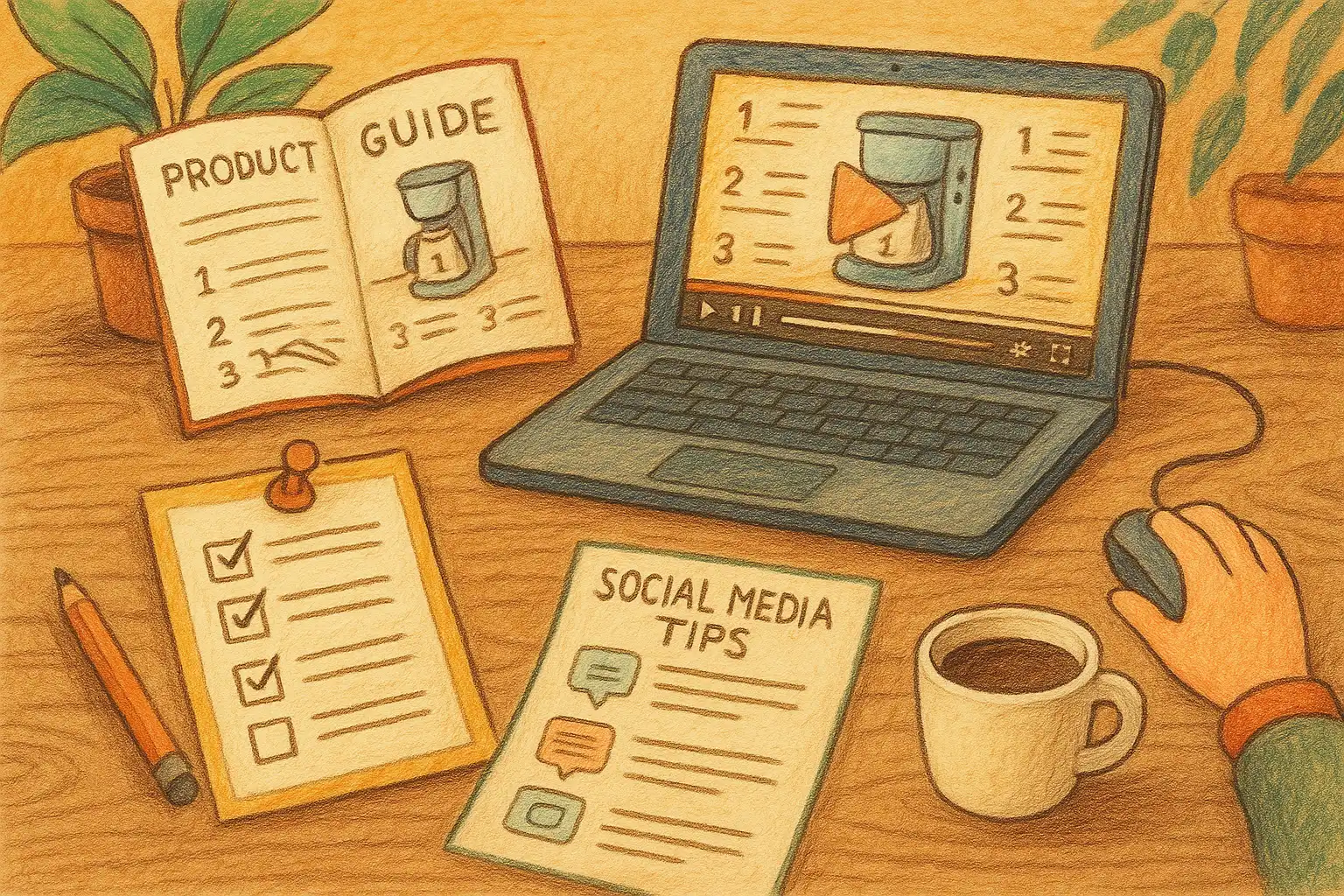
For example, a single product guide can be turned into a quick start video, a checklist for customers, and a set of social tips—all linked together by the same core idea. By doing this, you maximize every piece of content.
How Can Businesses Reuse Content Across Platforms?
Businesses can unlock value by planning content with repurposing in mind right from the start. This approach keeps your messaging consistent and saves resources over time. Here is a step-by-step process to help you reuse your content efficiently:
- Start with a core message: Identify your main theme or topic. This makes it easier to adapt the material into various formats later on.
- Choose your platforms: Decide where your audience spends most of their time—YouTube, Instagram, LinkedIn, or others—and tailor the content for each platform.
- List possible formats: Consider making infographics, slides, podcasts, videos, or downloadable PDFs from your existing content.
- Edit and update: Adapt the language, visuals, and structure for the targeted medium. For example, make text shorter and include more images if you’re posting on social media.
- Track and improve: Use analytics to see what works best and refine your approach over time.
Empowering your team to distribute branded resources on their personal channels and collaborating with influencers can also boost your content’s reach. For businesses aiming for streamlined processes, platforms that integrate planning, content creation, and analytics can save time and maintain quality. For instance, you can review your content strategy regularly to identify top-performing assets ready to be repurposed.
What Are the Main Benefits of Repurposing Content?
Repurposing offers many advantages beyond just saving time. Here are several key benefits:
- Boosts SEO: Creating multiple pieces around the same topic allows you to target different keywords, making your brand more visible in search results.
- Extends content life: Instead of letting old content fade, you breathe new life into it, increasing its value and reach.
- Improves audience engagement: Delivering the same message in different formats (text, video, graphics) caters to various user preferences and encourages more interaction.
- Keeps messaging consistent: By reusing material, you make sure your brand’s voice and main ideas stay clear across every channel.
- Saves resources: Instead of creating everything from scratch, you use what you already have—saving money and effort.
For small businesses in particular, repurposing can be a game-changer. It allows you to appear more frequently online, compete with larger brands, and support your growth using existing assets.

Which Content Types Are Best Suited for Repurposing?
Some content types lend themselves naturally to repurposing. Here are common examples:
- Evergreen blog posts: These articles remain relevant over time, making them perfect for converting into different formats.
- Webinars and podcasts: Audio and video content can be transcribed, summarized, and divided into smaller pieces for social or email use.
- Case studies and success stories: These can become testimonials, visual slides, or even mini-campaigns for lead generation.
- Whitepapers and ebooks: Turns into a series of blog posts or infographics, sharing useful points in digestible bits.
- Presentations and slide decks: Share highlights on social media or bundle slides into a downloadable resource.
When choosing what to repurpose, focus on high-performing or evergreen pieces—these are most likely to generate results in new formats.
How Do You Measure the Success of Repurposed Content?
Measuring success is important to ensure your efforts pay off. Key metrics to track include:
- Traffic: Monitor website visits from new content formats—see which channels drive the most views.
- Engagement: Track comments, shares, likes, and downloads on every platform where you share repurposed assets.
- SEO rankings: Watch for improvements in keyword visibility and search result positions.
- Leads and conversions: See how your repurposed materials perform in driving sign-ups, purchases, or contacts.
- Content lifespan: Monitor how long your posts continue to generate activity after being reused.
By identifying which formats and channels work best, you can focus your future repurposing efforts for maximum impact.
Tools and Services That Streamline Content Repurposing
Several tools can make repurposing more effective. Here are some useful options:
- Canva: Great for designing infographics and social graphics from blog content.
- Descript: Simplifies editing and transcribing audio for podcasts and webinars.
- Hootsuite or Buffer: Schedule and track repurposed content across many social platforms.
- Otter.ai: Automated transcription for meetings, interviews, and webinars.
- DashClicks: Offers multi-platform repurposing and SEO insights to ensure consistency and reach.
Most importantly, the right tools make it easier to plan ahead, maintain quality, and ensure your content stays visible to the right people.
FAQ: Repurposing Examples and Smart Content Reuse
What is content repurposing, in simple terms?
Content repurposing means taking a single piece of content and adapting it into different formats to reach more people, like turning a blog post into a video or newsletter.
Why should small businesses repurpose content?
Small businesses benefit from repurposing because it saves time, boosts SEO, and helps them get more mileage from work they’ve already done without creating everything from scratch.
How do I choose what content to repurpose?
Start with high-performing or evergreen materials—blog posts, webinars, case studies, or guides that consistently attract interest. Focus on content that has proven value to your audience.
Can repurposing help my SEO?
Yes, it can! Repurposed content allows you to target extra keywords and keep your website and social channels fresh, which can improve your search engine rankings and brand visibility.