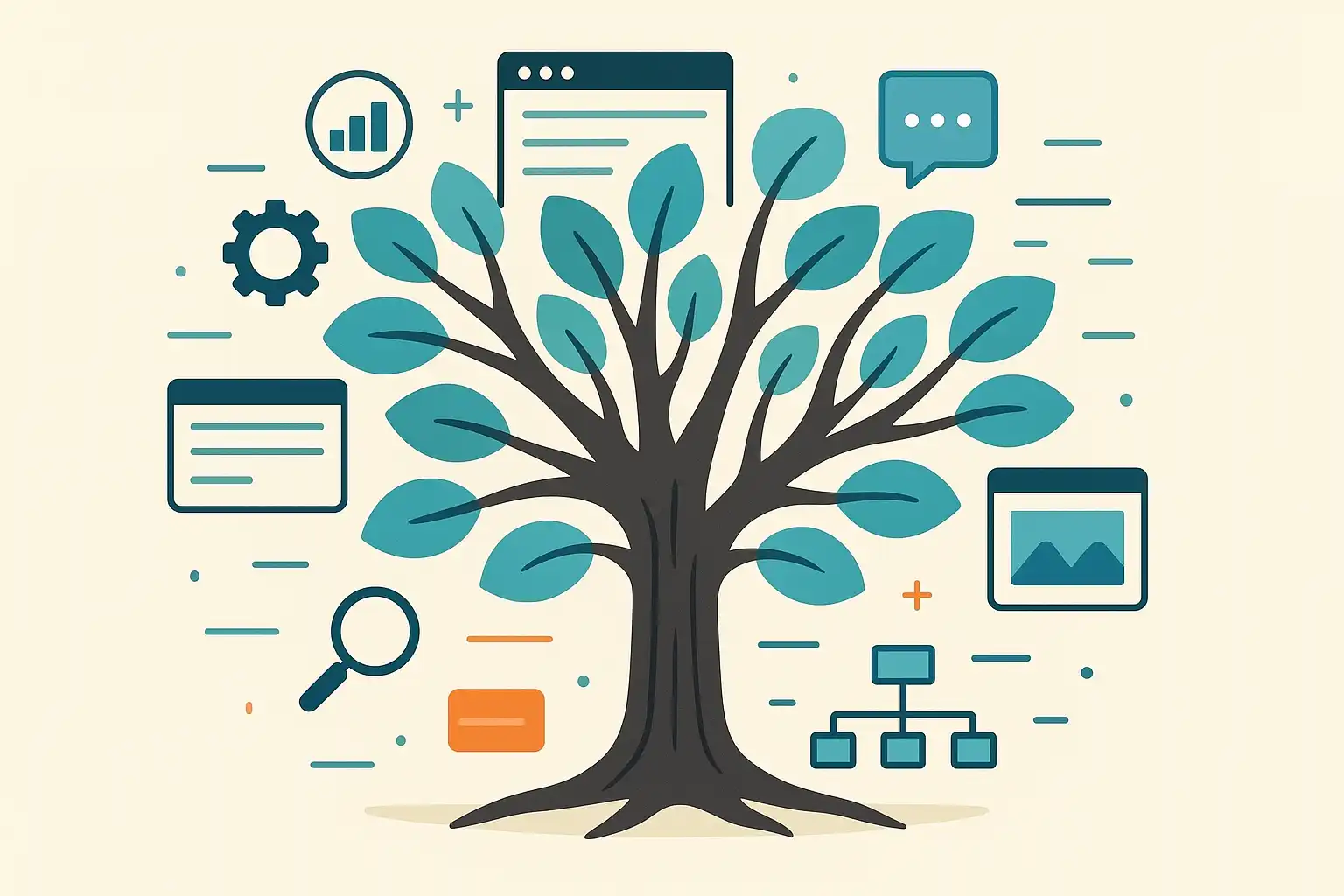
Repurposing content across channels is a smart way to make the most of your existing material. It means taking one piece of content—like a blog post, video, or podcast—and reworking it to fit different platforms or audiences. By doing this, you can reach more people, save time, and boost your brand’s impact. In this guide, you’ll learn what content repurposing really means, why it matters, and how to do it effectively without feeling overwhelmed.
Let’s say you’ve put hours into a detailed blog post. With careful planning, that same research can become an infographic for Instagram, a quick video for TikTok, a LinkedIn article, or even a series of tweets. This approach helps you get far more value from your original work, while meeting your audience where they are. You don’t need to start from scratch every time. Repurposing content across channels gives you a way to work smarter, not harder.
So, how can you actually make this happen? Let’s break it down clearly, answer your biggest questions, and explore steps, tools, and examples designed for real-world results. By the end, you’ll be ready to repurpose like a pro—saving time and expanding your reach.
What is Repurposing Content Across Channels?
When people talk about “repurposing content across channels,” they mean adapting an existing piece of content to fit multiple platforms. For example, you might take a blog post and use the main ideas to create a YouTube video, a thread on X (formerly Twitter), or a slideshow for SlideShare. Each platform has its strengths, and people consume content differently depending on where they find it.
Repurposing is more than just copying and pasting text. It’s about tailoring your message so it resonates with each audience. This could mean changing the format, updating the design, or even adjusting the tone. The goal is to get your message in front of as many eyes as possible, without making your efforts feel repetitive or forced.
Not only does this save you valuable time, but it also helps reinforce your core ideas. If someone misses your message in one place, they might catch it elsewhere. Marketers, educators, and business owners all use this approach to maximize their resources.

Why Is Repurposing Content Across Channels So Effective?
There are clear reasons why this strategy works. Instead of creating new material from scratch every time, repurposing lets you work efficiently. Here’s why it matters:
- Reach wider audiences: Not everyone uses the same channels. Putting your message in different places means reaching more people.
- Save time and resources: You don’t need to reinvent the wheel—adapt what you already have.
- Increase brand visibility: Seeing your content in various formats makes your brand memorable.
- Boost SEO and engagement: Multiple assets, like videos, infographics, and articles, can help you rank higher and spark more interactions.
- Keep content fresh: Updates and new angles keep old topics relevant.
For instance, a business that turns a “how-to” blog into a video tutorial, a set of Instagram stories, and an email newsletter delivers the same helpful information in ways that match how people like to learn. This flexibility makes your message stick.
How Do You Choose Which Content to Repurpose?
Not every piece of content is worth repurposing. To make the best choice, start by considering your goals and your audience. Ask yourself these questions:
- Which posts or videos have performed best?
- What topics are evergreen, meaning always useful?
- Where does your audience spend most of their time online?
- What gaps exist in your current channels?
Start with high-performing content or evergreen topics—these stand the test of time. For example, a beginner’s guide that gets steady traffic makes a great candidate for a video series or downloadable checklist.
If you’re looking for more ideas and real-world applications, you might find helpful inspiration in Smart Content Repurposing strategies. By seeing how others have approached the challenge, you can plan your own moves more effectively.
What Are the Most Popular Ways to Repurpose Content?
There’s no single “right” way to repurpose content. Creative thinking goes a long way. Still, some methods are especially effective, depending on your starting point. Here are several tried-and-true ways:
- Turn blog posts into videos: Summarize main points in a short video or animated explainer.
- Make infographics from data-heavy articles: Visuals make complex info easy to digest.
- Create slide decks: Use tools like PowerPoint or Canva to turn articles into presentations.
- Share quotes as social media graphics: Pull memorable lines for visual posts on Instagram or LinkedIn.
- Host webinars or podcasts: Expand blog posts into discussions or interviews.
- Develop checklists and guides: Break down posts into bite-sized, actionable lists for downloads.
- Thread content on X: Deliver step-by-step insights across several short tweets.
- Email newsletter highlights: Use top-performing content in weekly or monthly messages.
For example, a B2B company might turn a whitepaper into a webinar, then create short video clips and quote cards to share on social media, making the original research work much harder for them.
How Can You Repurpose Content Across Channels Without Losing Quality?
Repurposing should never feel like copying and pasting. The best results come from thoughtful adaptation—matching both format and tone to your new audience. Here’s how to do it well:
- Review and update content: Refresh stats, examples, and links to keep them current.
- Adjust the format: Shorten long posts for social, or elaborate quick tips into deeper articles.
- Use visuals: Add images, infographics, or slides to liven up text-based content.
- Tailor the tone: LinkedIn posts may be more formal, while Instagram can be casual and visual.
- Credit sources: Always acknowledge original authors or research if you’re sharing facts or stats.
- Include a call to action: Let viewers know what to do next, whether that’s clicking a link or leaving a comment.
Quality counts. As you expand your content, check that each new piece stands alone—offering real value even to people who haven’t seen the original.
What Steps Should You Follow to Repurpose Content Effectively?
The best results from repurposing content across channels come from a clear, step-by-step process. Here’s a straightforward workflow you can apply:
- Audit your existing content: List what you have and see what’s done well.
- Pick your winners: Choose items with lasting value or proven engagement.
- Set clear goals: Decide what you want from the new version—a bigger audience, more clicks, or higher engagement.
- Research your platforms: Each has its own style and audience. Study what works best on each.
- Adapt the message: Rewrite and redesign as needed. Think about format, tone, and length.
- Schedule and publish: Use content calendars and automation tools to stay consistent.
- Monitor and tweak: Track performance and adjust based on feedback or results.
Many content marketers find it useful to keep a spreadsheet of their assets, noting where and how each piece has been repurposed. This approach lets you spot gaps, avoid repetition, and maximize value—a true pro’s move.
Which Tools Can Help You Repurpose Content Easily?
There are plenty of helpful tools to streamline your repurposing process. Here are some favorites, spanning free and paid options:
- Canva: Design infographics, social images, and slides quickly.
- Buffer or Hootsuite: Schedule posts across platforms.
- Descript: Edit podcasts and videos with ease, including creating transcripts.
- Google Docs/Sheets: Organize content ideas and track progress.
- Lumen5: Turn blog posts into engaging videos automatically.
- ChatGPT or other AI tools: Rewrite or summarize content for different channels quickly.
- Grammarly: Check quality and consistency in new versions.
By using the right mix of tools, you can save even more time and keep your content looking polished on every channel.
How Can You Measure the Impact of Repurposed Content?
Tracking your results is important. It helps you see what works and what needs improvement. Here’s what to measure:
- Views or impressions: How many people have seen your repurposed piece?
- Likes, shares, and comments: Are people engaging with your content?
- Website traffic: Does your repurposed content drive visitors to your site?
- Lead generation: Are you collecting emails or inquiries as a result?
- SEO performance: Are you ranking higher for important keywords?
Check analytics on each platform. That way, you can compare results and decide where to focus your next efforts.
Can Repurposing Content Across Channels Help with Content Marketing ROI?
Absolutely. Repurposing is a proven way to increase your return on investment (ROI) from content marketing. The logic is simple: by adapting and sharing your best pieces across platforms, you get more mileage out of every hour and dollar spent creating content.
If you’re interested in exploring this topic more deeply, you can find valuable details in the Repurposing Content Marketing Guide, which covers common challenges, pitfalls, and ways to measure success.
Pro tip: Always use analytics tools to compare your repurposed content’s reach and engagement to the original version. Over time, you’ll see which formats and channels give the biggest boost.
What Are Some Common Mistakes to Avoid When Repurposing Content?
While repurposing is powerful, some missteps can undercut your results. Avoid these pitfalls:
- Repeating content without adaptation: Don’t just copy and paste—each channel needs a unique touch.
- Ignoring your audience: Different platforms reach different groups. Always consider who you’re speaking to.
- Throwing quality out the window: Take the extra time to update and polish each piece.
- Losing focus: Make sure your repurposed content still aligns with your brand’s message and goals.
- Forgetting attribution: Give credit where it’s due, especially when repurposing guest posts or research.
By steering clear of these errors, you’ll protect your brand and make the most of your time and effort.
Are There any Ethical Considerations When Repurposing Content?
Yes, ethics matter when you repurpose. It’s important to avoid plagiarism or misrepresenting someone else’s ideas. If you use or adapt work from other creators, always give clear credit. Likewise, check usage rights for visuals, music, and transcripts.
Transparency is key. If you’re changing the format or updating facts, let your audience know. For those seeking more detailed best practices, the resource Ethical Content Repurposing provides in-depth advice on staying above board.
Finally, remember that your audience values authenticity. When you’re open about your process and respect the original work, you build trust—and that’s good for everyone.
How Does Repurposing Content Support a Multi-Channel Strategy?
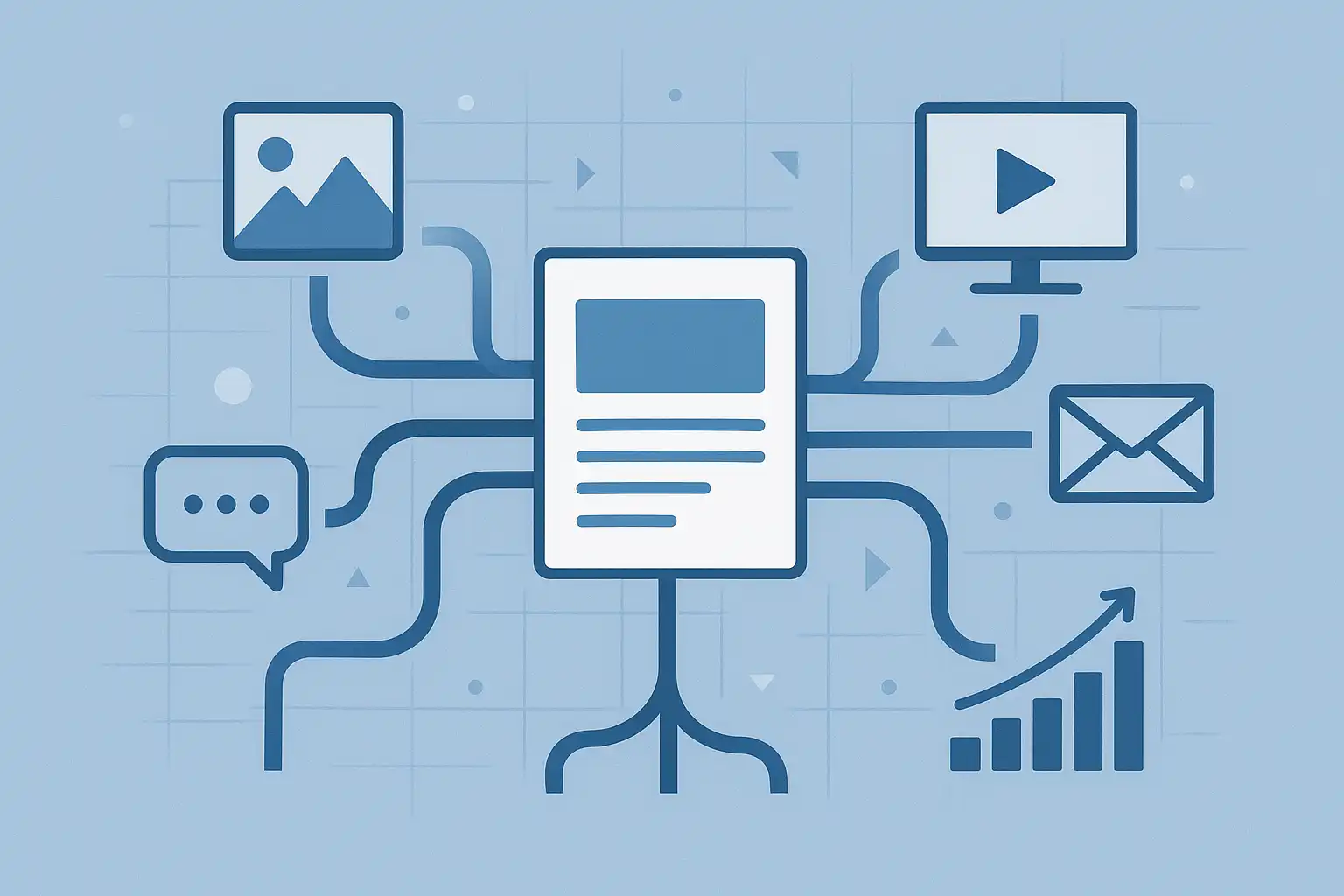
Multi-channel marketing means reaching your audience wherever they are—on social media, in their inbox, or through search engines. By repurposing your content, you ensure a consistent message across all these channels. This is more efficient than producing completely separate material for every platform.
For example, a single research study might become:
- A downloadable PDF for your website
- An interactive infographic for Instagram
- A discussion post on LinkedIn
- A quick recap video for TikTok
- A podcast episode diving deep into the findings
This method helps reinforce your message and strengthens your brand identity. It also means you’re always present, wherever your audience spends time.
How Can Small Teams or Solo Creators Benefit from Repurposing?
Small businesses, freelancers, and solo creators often have limited time and resources. Repurposing gives them a way to compete with much larger teams. You don’t need a huge budget to reach more people—you just need creativity and a willingness to adapt. Start small: pick one successful piece each month and try sharing it in a new way.
Over time, your content library can grow into a valuable asset, covering topics in multiple formats and reaching audiences you might not connect with otherwise.
FAQ
How often should I repurpose my existing content?
You should review and repurpose your top content about once every quarter. This ensures you keep your materials fresh and relevant, while also giving you a steady stream of assets for different platforms. Tracking performance analytics will let you know when it’s time to refresh a piece or give it a new spin for a new channel.
What types of content are easiest to repurpose?
Evergreen content—such as how-to guides, FAQs, and thought leadership pieces—are especially easy to rework. They stay relevant over time and can be reshaped as videos, graphics, checklists, or newsletters. Start with your most popular blog posts or most-watched videos for the quickest wins.
Can I repurpose user-generated content or customer testimonials?
Yes, absolutely! With permission from the original creator, testimonials, reviews, or user stories can be powerful additions across channels. For example, you could share customer video reviews on your website, turn a great review into a quote card for Instagram, or weave testimonials into your next email campaign.
What if my audience overlaps across channels?
Even if some audience members follow you in several places, seeing your key messages in different formats helps reinforce your value. Avoid posting identical content word-for-word; instead, tailor each piece to fit the platform and context. This keeps things fresh and ensures you meet different preferences while strengthening your brand message.