Are you looking for practical email newsletter strategies to quickly grow your subscriber list? The best way to succeed is by focusing on approaches that attract genuine interest, offer real value, and build long-term connections. Whether you’re just starting out or trying to accelerate your growth, these proven strategies will help you build an engaged newsletter audience step by step.
What are the most effective email newsletter strategies for rapid subscriber growth?
Growing your email list is not just about asking people to sign up. To truly succeed, you need to use a mix of smart tactics that appeal to your ideal audience. Let’s explore the most effective email newsletter growth strategies:
- Leverage Your Existing Network
Begin with people who already know you. Reach out to colleagues, friends, and business contacts who are genuinely interested in your topic. A personal invitation is often more effective than a generic pitch. - Offer High-Value Lead Magnets
Create free resources (like ebooks, checklists, or templates) that solve a problem or answer common questions. For example, if you offer tax advice, a “2025 Tax Strategies” guide can be a powerful incentive. - Gate Access to Previous Newsletters
Sometimes, your best content is already in your past emails. By “gating” access to these issues—making readers sign up to view them—you encourage subscriptions from those truly interested. - Build Mini-Tools and Useful Resources
Free calculators, industry directories, or curated resource collections are attractive. These tools bring visitors to your site and subtly encourage them to subscribe. - Host Webinars and Virtual Events
Offer actionable tips through live sessions or workshops. Attendees are often happy to share their email addresses in exchange for valuable training. - Run Targeted Contests or Giveaways
Contests with relevant prizes draw attention. For best results, ensure the reward matches your audience’s interests and is not too broad. - Partner With Other Newsletters
Collaborate with newsletters in a related niche. By cross-promoting, you reach new readers who may be interested in your content too. - Maximize Social Media Conversion
On channels like Instagram or X, use features such as pinned posts or story highlights. Automated direct messages can send interested users straight to your signup page. - Collect Emails at Offline Events
If you attend conferences or workshops, gather email addresses (always with permission). In-person conversations can lead to higher engagement. - Paid Acquisition (When Ready)
Consider using ads to reach new audiences, but focus on the value a new subscriber will bring over time, not just the initial signup. - Create Referral Programs
Encourage current subscribers to refer friends by offering rewards. Simple incentives, like exclusive content or discounts, can spark sharing.
By combining these approaches, you can steadily build a loyal following. For more details on how different newsletter strategies type influence engagement, check this comprehensive newsletter strategies type resource that sheds light on tailoring your methods.
How can segmentation and personalization boost email subscriber growth?
Your audience is not one-size-fits-all. The more you personalize your approach, the more likely people will subscribe—and stay engaged. Here’s why segmentation and personalization work so well:
- Targeted Content
By grouping subscribers based on interests or behaviors, you can send them emails that truly match what they care about. - Improved Engagement
When readers get messages that feel relevant, open and click rates go up. Engaged subscribers are more likely to share your newsletter with others. - Better Testing and Learning
Using A/B testing to try different subject lines, designs, or offers helps you learn what works best for different groups. - Welcome and Nurture Sequences
Automated emails—like a welcome series or evergreen tips—make new subscribers feel valued right from the start. Over time, these sequences can introduce them to paid products or exclusive content.
Segmentation tools are available in most popular email platforms, such as Mailchimp or ConvertKit. Even simple tags (like “signed up from webinar”) can make a big difference. As you refine your approach, track which segments respond best and adjust your strategy for maximum impact.
Which types of content and incentives attract more email newsletter subscribers?
The right content and incentives can turn a casual visitor into a loyal subscriber. Here are proven types that work:
- Lead Magnets
These are free resources directly related to your main content. Examples include ebooks, worksheets, or industry reports that solve a problem your audience faces. - Gated Access to Evergreen Content
Letting people access your best past newsletter issues in exchange for their email is a simple but effective technique. - Free Tools and Templates
Mini-courses, calculators, or spreadsheet templates add value and address specific needs. - Online Communities
Discussion groups, job boards, or exclusive networking opportunities can be strong incentives for sign-up. - Strategic Giveaways
When designed well, contests with relevant prizes draw engaged subscribers who are likely to remain interested in your future emails. - Referral Rewards
Asking subscribers to invite friends in exchange for rewards (such as bonus content or merchandise) can accelerate growth.
If you want to Increase Newsletter Opens and drive more engagement, mixing incentives with compelling subject lines is key. You can find practical advice and ideas for boosting your results in this helpful guide to Increase Newsletter Opens.
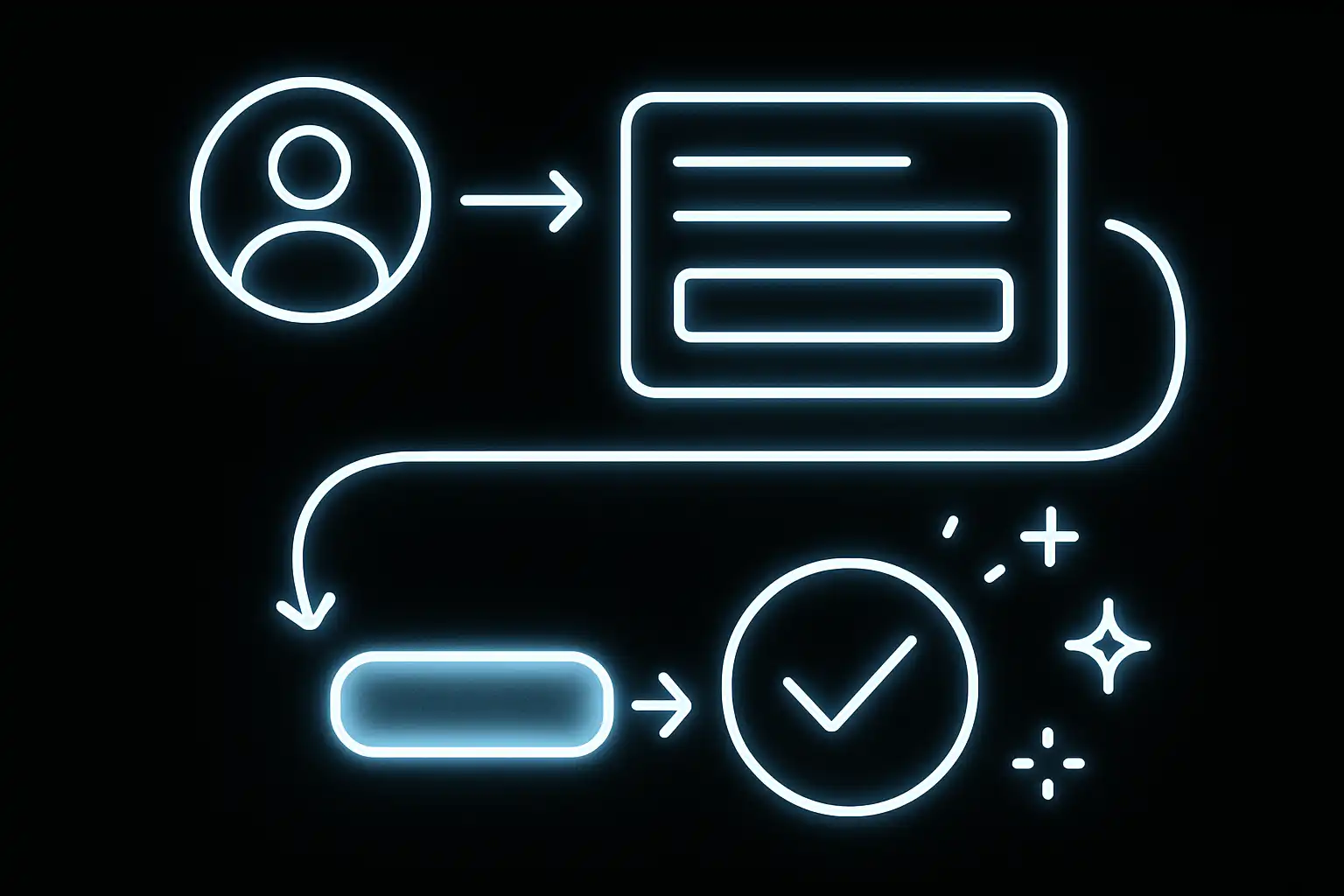
What are the essential steps to build a high-converting email newsletter signup process?
A smooth signup process encourages more people to join your list. Here’s how to make it easy and appealing:
- Clear Value Proposition
Explain what readers will get and why it’s unique. Use a short, benefit-focused sentence above your signup form. - Simplified Forms
Ask only for essential details (usually just an email address and maybe a first name). The less friction, the higher the conversion rate. - Strong Call-to-Action
Buttons should say things like “Get Free Guide” or “Join the Community”—not just “Sign Up.” - Visible Placement
Place signup forms where visitors naturally pay attention, such as at the top of the page, after blog posts, or in pop-ups triggered by intent. - Immediate Confirmation
Send a welcome email right away. Let new subscribers know what to expect and deliver the promised incentive immediately. - Trust Signals
Add testimonials or privacy assurances near your form. This reassures hesitant signups and builds credibility.
Regularly review your analytics to see which signup locations and messages work best. Sometimes a simple tweak—like changing button text or moving your form—can lead to higher signups.
How do you measure the success of your newsletter growth strategies?
Success is more than just a bigger list. Look at these metrics to track real progress:
- Subscriber Growth Rate: Are you getting steady new signups each week or month?
- Open and Click Rates: Higher engagement means your content is resonating.
- Referral and Viral Shares: Are subscribers sharing your newsletter with others?
- Churn Rate: Fewer unsubscribes indicate your emails meet audience expectations.
- Quality of Leads: Are new subscribers engaging, or just signing up for a one-time giveaway?
By tracking these metrics, you can identify which tactics deliver the best results and where to improve. Remember, the goal is to build a vibrant, engaged community—not just a long list of emails.
FAQ
How often should I send email newsletters to keep subscribers engaged?
Finding the right frequency depends on your content and audience. Many successful newsletters send once a week or every other week. The key is consistency—set a schedule and stick to it. Avoid overwhelming subscribers, but don’t let them forget about you. Test and adapt as you learn what your audience prefers.
What’s the best way to promote my newsletter on social media?
Focus on value-driven posts that highlight your newsletter’s benefits. Use pinned tweets or posts, story highlights, and share snippets of exclusive content. Automated direct messages can guide interested followers to your signup page. Cross-promote with other creators to reach new audiences.
Should I buy email lists to grow my subscribers faster?
Buying email lists is not recommended. These lists often contain uninterested or outdated contacts and can damage your sender reputation. It’s better to attract subscribers through organic methods like lead magnets, events, or partnerships, ensuring your audience is genuinely interested in your content.
How important is the welcome email after someone subscribes?
The welcome email sets the tone for your relationship. It should arrive immediately, thank the subscriber, deliver any promised incentive, and explain what to expect. A strong welcome message leads to better engagement and reduces the chance of unsubscribes early on.