If you are planning content for your business, blog, or team, you might ask, “What to include in a content strategy to make it work?” The answer is straightforward: a reliable content strategy must cover your goals, audience, messaging, planning, creation, channels, measurement, and user experience. These essentials help you organize efforts and get results, whether you are a solo creator or manage a large brand.
What is a content strategy, and why do you need one?
A content strategy is a clear plan for making, sharing, and managing content that serves your business goals. It gives structure and purpose to all the articles, videos, social posts, or emails you create. If you just “wing it,” content may be random or miss the mark. But when you build your strategy, every piece has a reason. As you explore what to include in a content strategy, you’ll see it is about making every step intentional.
For example, many companies use a content strategy to decide not just which topics to cover, but also what tone to use, where to publish, and how to improve over time. This leads to better brand trust, higher engagement, and more sales or signups.
What are the must-have components in a content strategy?
To create a complete plan, you’ll want to include all the key building blocks. Let’s break down the essentials you should cover so nothing gets overlooked.
1. SMART Goals
Goals are the foundation of your strategy. SMART stands for Specific, Measurable, Achievable, Relevant, and Time-bound. For example, instead of saying “get more readers,” a SMART goal would be, “Increase website traffic by 25% over the next 6 months.” This helps everyone stay focused and track progress.
2. Market and Competitive Research
Understanding the landscape is vital when deciding what to include in a content strategy. Research your competitors: what do they talk about? What works well for them? Use tools like Google Trends, Ahrefs, or SEMrush to spot gaps or trending topics. This step helps you find what your audience cares about and discover content opportunities.
3. Ideal Customer Personas
Know your target audience inside out. Create profiles, or personas, describing your ideal readers or customers. Consider demographics (like age, location, job), their needs, problems, and what keeps them engaged. For businesses, especially B2B SaaS brands, understanding your audience is critical—see resources like the entry level content strategy Houston for more focused examples.
4. Brand Voice and Tone
Consistency builds trust. Decide on a brand voice: is it friendly and casual, or formal and expert? Outline how you want your brand to sound, and create guidelines for anyone who produces content. This ensures that, whether it’s a social post or a detailed blog, your messaging stays true to your brand.
5. Editorial Calendar
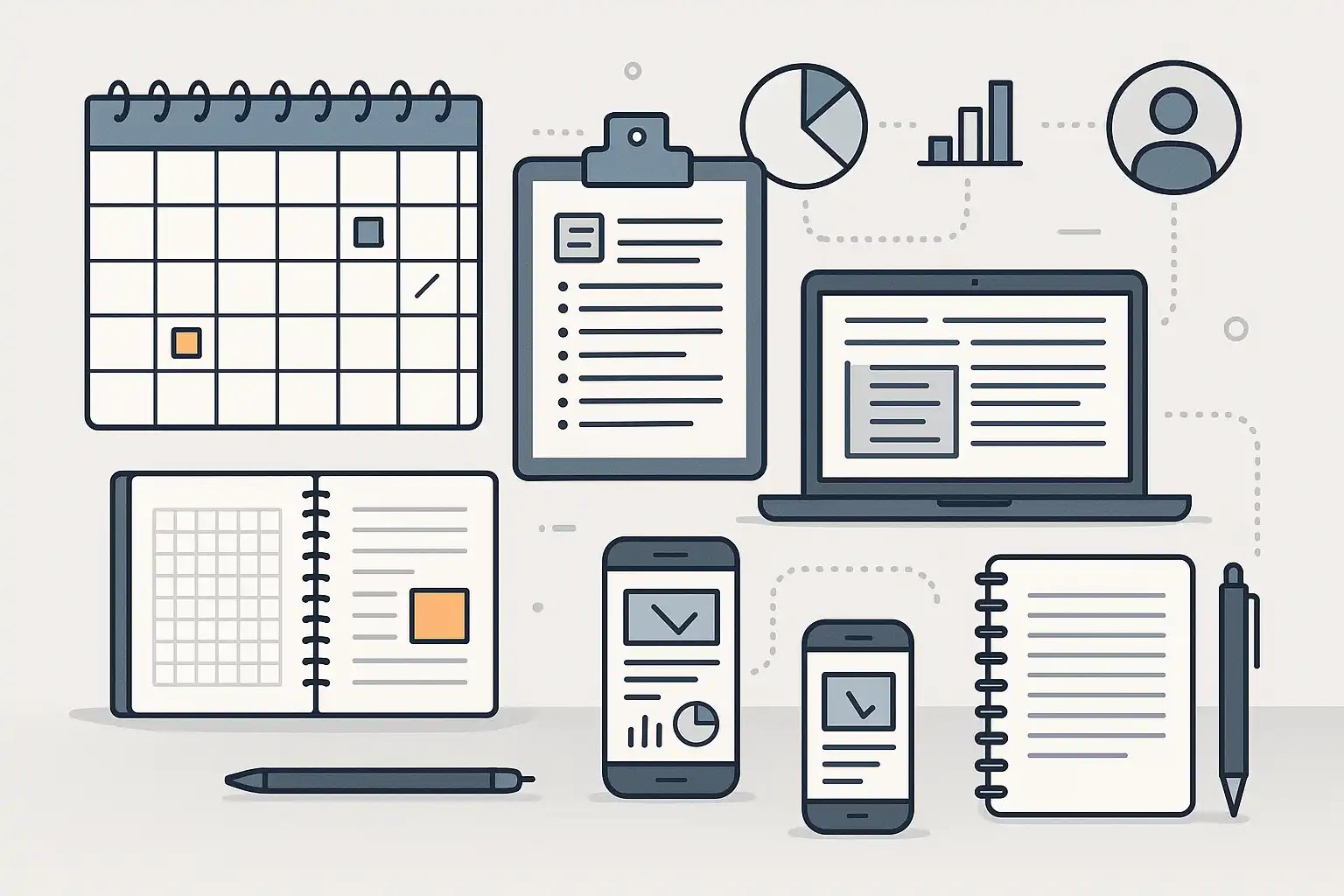
An editorial calendar organizes your publishing schedule. List out topics, assign content types (like blog, video, or infographic), deadlines, and who’s responsible. A clear schedule helps teams avoid last-minute rush and maintain a steady flow of content. Using tools like Trello, Asana, or Google Sheets can keep everyone on task.
6. Content Production Process
How do you turn ideas into published pieces? Document your process. Think about:
- How you generate ideas
- How you draft, edit, and approve content
- Design and multimedia needs
- SEO optimization steps
A streamlined process saves time and boosts quality, preventing bottlenecks.
7. Content Distribution Channels
Even the best content needs a plan to reach your audience. Decide which channels fit your goals and target market. These could include:
- Your website or blog
- Email newsletters
- Social media platforms
- Paid ads (Google, Facebook, LinkedIn)
- Guest posting or partnerships
Many SaaS brands focus on specific channels based on audience habits; if you want a guide on this, review the B2B content strategy simple guide for channel insights.
8. Analytics and Measurement
Measurement is how you know what’s working. Define key metrics to track, such as:
- Website traffic and growth
- Engagement rates (time on page, shares, comments)
- Conversion rates (how many readers become customers or leads)
- Revenue generated from content
- Social followers and reach
Regularly review these numbers. Use Google Analytics, HubSpot, or even simple dashboards to monitor success and spot areas for improvement.
9. User Experience (UX)
Great content is only effective if people can find, read, and enjoy it. UX means thinking about:
- Easy navigation and mobile-friendly pages
- Clear layouts and readable fonts
- Accessible content for everyone
- Relevant visuals and logical flow
When you focus on UX, your audience will stay longer, engage more, and trust your brand.
How should you organize your content planning?
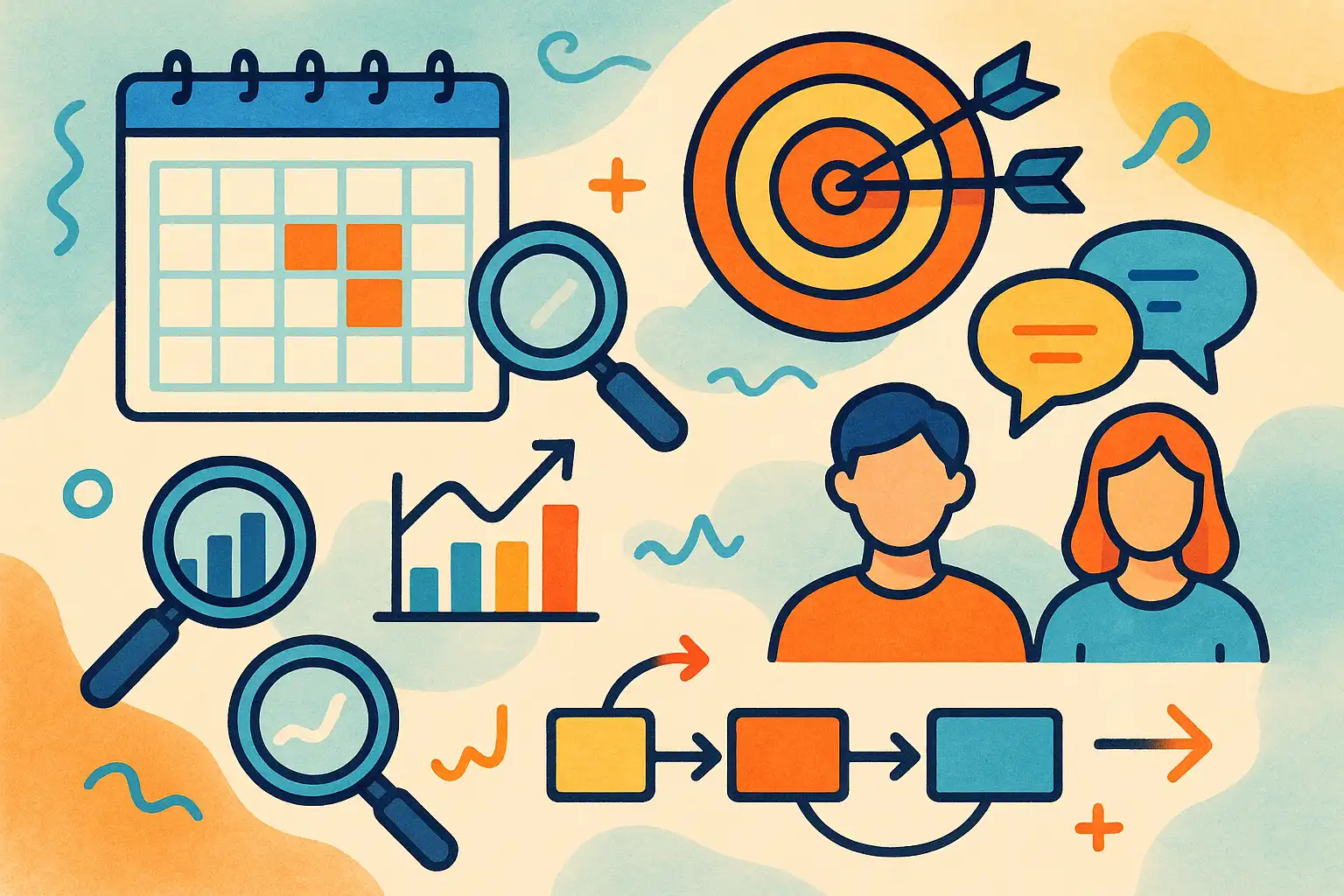
A good strategy follows a clear path from idea to impact. Here’s a simple process you can use when planning what to include in a content strategy:
- Set your main business and content goals (for example, brand awareness or lead generation).
- Research your audience and competitive space using surveys, interviews, and analytics tools.
- Create detailed personas and define messaging that fits them.
- Pick topics and formats based on both user needs and SEO research. To plan efficiently, check out resources like what is content planning explained for practical steps.
- Build an editorial calendar and outline your workflow from idea to publication.
- Choose content channels where your audience spends time.
- Publish and promote content, then measure performance and adjust as needed.
Following these steps creates a feedback loop that helps you learn and improve over time.
What are some effective tools and examples for content strategy?
Several tools can make your planning much easier. For keyword research, SEMrush and Google Keyword Planner are favorites. Trello or Airtable are handy for managing editorial calendars. For analytics, Google Analytics or HubSpot give you in-depth performance data. Canva and Adobe Spark help design visuals, while Grammarly polishes your text for clarity.
Some brands worth noting, like HubSpot, Buffer, and Moz, share detailed case studies and templates. SaaS companies often use these strategies to streamline production and reach their specific customer types. For instance, a B2B company might focus more on LinkedIn articles, webinars, and whitepapers, while a lifestyle brand leans into Instagram, YouTube, and blog content.

FAQ
What happens if I skip one of these components in my content strategy?
If you leave out key parts, such as goals, defined audience, or measurement, your content efforts might scatter. You may see inconsistent messaging, wasted resources, or poor results, making it tough to know what’s working.
How often should I update my content strategy?
Review your strategy at least once every 6-12 months. Update it when you launch new products, see changes in audience behavior, or notice big shifts in trends. Regular checks help you stay on track.
Can a content strategy work for solo creators or small businesses?
Absolutely. Even simple content strategies help solo bloggers or startups stay focused and use time wisely. Start with basic goals, a clear audience profile, and a simple plan, then expand as you grow.
Is an editorial calendar really necessary?
Yes, it helps keep content consistent, organized, and timely. When you know what’s planned and when it’s due, you avoid missed deadlines and last-minute confusion. An editorial calendar is one of the easiest ways to add structure to your efforts.