If you are searching for a clear, step-by-step guide to content strategy for beginners, you have landed in the right place. In simple terms, content strategy means planning, creating, and managing useful content to reach your business goals. Whether you want to boost brand awareness, drive traffic, or generate leads, understanding the basics will help you start strong. This guide answers your most pressing questions, breaks down the process, and gives you practical tips to set your strategy up for success—even if you are just getting started.
What exactly is content strategy for beginners?
Imagine you want to attract customers online, but you are not sure what to post, when, or where. A content strategy solves this problem. It provides a structured plan that tells you what kind of content to create, who you are making it for, and how you will measure results. For beginners, it simply means having a roadmap so your content isn’t random or wasted—it’s designed to help you reach clear, meaningful goals.
To put it another way, a good strategy saves you time, reduces stress, and helps you focus your efforts where they matter most. If you have ever wondered how successful brands attract loyal followers, the answer often lies in a well-defined content strategy. Platforms like WordPress and HubSpot CMS are popular for managing this process, especially for newcomers who want something user-friendly.
How do you start building a content strategy from scratch?
It all starts with asking the right questions. Let’s walk through the steps to create a simple but effective content strategy for beginners.
- Set clear goals. What do you want your content to achieve? Examples include building trust, gaining subscribers, or selling products.
- Identify your audience. Use persona research to understand who your readers are. Consider their needs, interests, and challenges.
- Audit your current content. Take inventory of what you already have. Figure out what works, what needs improvement, and what’s missing.
- Choose your content types and channels. Decide whether you’ll use blog posts, videos, infographics, or social media updates. Pick channels where your audience spends time.
- Brainstorm content ideas. Use tools and templates to spark fresh topics and formats. This is where a content strategy platform can help you generate ideas and manage your plan effectively.
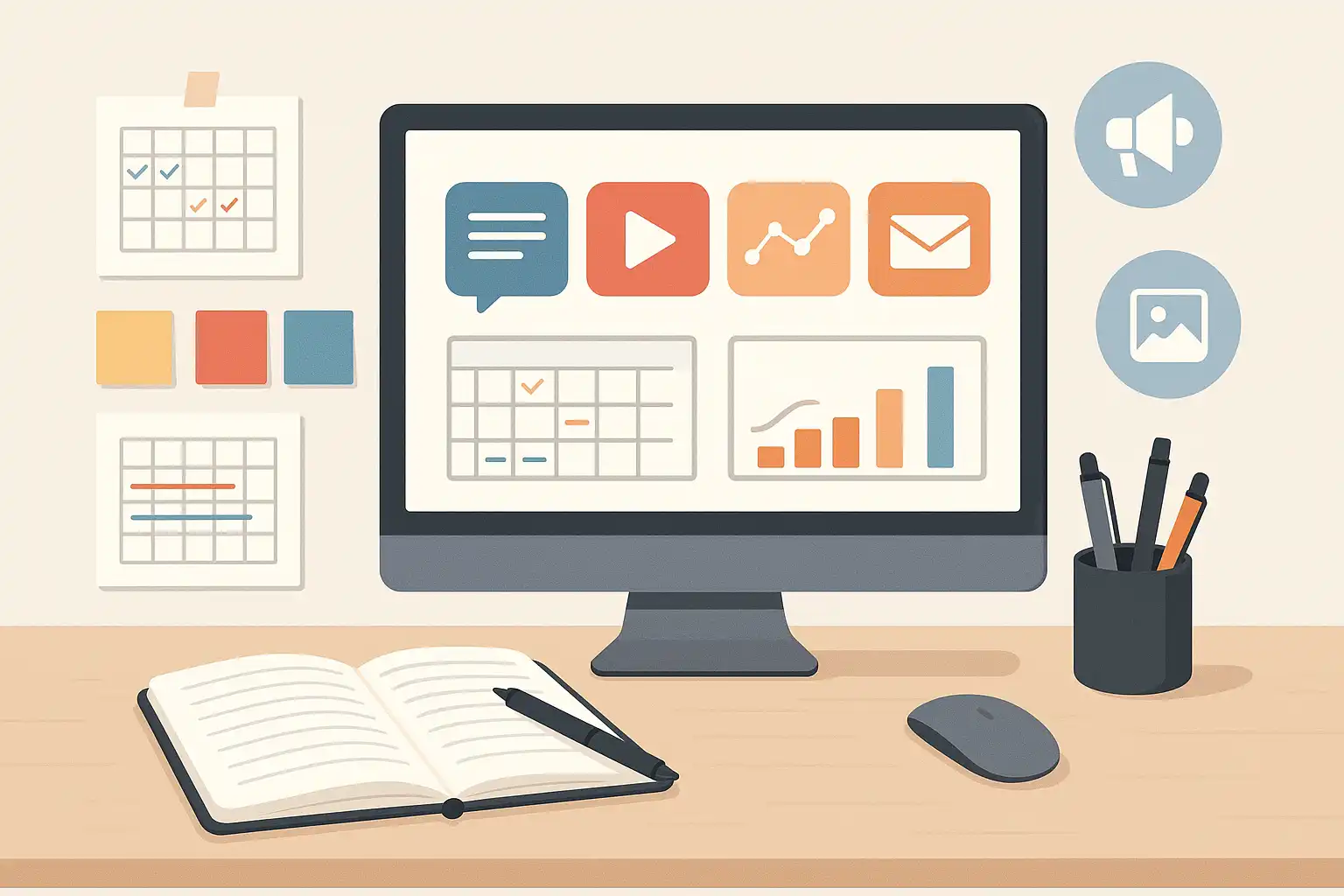
- Create a content calendar. Plan when and where each piece of content will be published. Editorial calendars keep you consistent and organized.
- Produce and publish your content. Focus on quality and clarity. Make your content useful, easy to understand, and appealing to your target audience.
- Track and measure results. Use tools like Google Analytics to monitor website traffic, engagement, and conversions. Adjust your plan as you learn what works best.
Each step may sound simple, but together they create a powerful framework you can adjust as you gain experience. Starting small is just fine—the key is to stay consistent and learn from your results.
Why is audience research important for beginners?
Understanding your audience is the heart of any content strategy for beginners. It’s about more than just guessing what people like. Instead, you create “personas,” or fictional profiles that represent your ideal readers or customers. You gather information like age, interests, challenges, and online behavior. Tools like persona templates and online surveys make this process much easier.
When you know who you’re talking to, you can tailor your content directly to their needs. For instance, if your audience prefers quick tips over long articles, you can adjust your format. Updating these personas regularly is smart, as your audience may change over time. In addition, competitor analysis and audits of your own content provide clues into what actually works in your field. This focus keeps your content relevant, interesting, and valuable.

What types of content should beginners create?
Choosing the right content types makes a big difference. For beginners, it’s best to keep things simple and manageable. Here are some common formats:
- Blog Posts: Ideal for sharing tips, guides, and stories.
- Social Media Updates: Short messages, visuals, or links that drive engagement.
- Videos: Useful for explaining concepts, showing products, or sharing behind-the-scenes moments.
- Infographics: Visual summaries that make data or steps easy to grasp.
- Email Newsletters: Good for nurturing relationships with regular updates, offers, or announcements.
You don’t need to do everything at once. Pick one or two types that fit your skills and your audience’s habits. As you become more confident, you can experiment with new formats or channels.
How can beginners measure the success of their content strategy?
It’s natural to wonder if your efforts are working. To measure progress, focus on key performance indicators (KPIs). These are numbers that reveal how well your content is helping you reach your goals. Examples include website traffic, the average time visitors spend on your pages, social media shares, and how many leads or sales your content generates.
Free tools like Google Analytics and HubSpot Website Grader let you track these metrics with minimal hassle. Templates for editorial calendars and content audits can also help you see patterns and spot opportunities for improvement. If you’re looking for a step-by-step content marketing strategy guide, many online resources provide checklists and samples tailored for new marketers.
Tips for ongoing improvement
It’s wise to review your strategy regularly. Even the best plans need adjusting as your audience, goals, or industry trends change. Conducting a content audit a few times a year identifies what’s resonating and what is not. There are dedicated what is content planning explained guides that can help you understand how to revisit your plan and optimize for better engagement.
What challenges do beginners face and how can they overcome them?
Starting out, the two biggest hurdles are overwhelm and unclear direction. It’s easy to feel lost in the sea of content tools, trends, and advice. To keep things simple, focus on your goals and your audience first. Don’t try to use every tool or channel. Instead, rely on proven basics like editorial calendars and regular reviews.
Another common struggle is consistency. Publishing on a regular schedule, even if it’s just once a week, builds momentum. There are resources like entry level content strategy Houston articles that share practical examples and troubleshooting tips for beginners facing similar obstacles.
Choosing the right tools
Beginners often wonder which tools are essential. While there are many options, start with content audit tools suitable for small businesses, a content calendar (even a simple spreadsheet works), and analytics platforms to measure results. As your needs grow, you might consider more advanced options, but there’s no need to complicate things at the start.

How do you adapt your content strategy as you learn?
Content strategy is not set in stone—it should be flexible and evolve with experience. Begin by testing what works with your audience. For example, if you notice that how-to articles get more shares than company news, adjust your plan to include more how-to guides.
Feedback is crucial. Ask your audience for their thoughts through comments, polls, or direct emails. Analyze performance regularly and be willing to drop what isn’t working. Following a B2B content strategy simple guide can provide additional insights, especially if you are creating content for business audiences.
Continuous learning pays off
The digital world changes quickly. That’s why it’s important to stay curious and keep learning. Explore new trends, try different formats, and don’t be afraid to experiment. Remember, every successful content strategy for beginners started with a small first step and a commitment to improve over time. The more you learn from your audience and results, the better your outcomes will be.
FAQ
- What is the first thing I should do before creating content?
Start by setting clear goals and identifying your target audience. Understanding what you want to achieve and who you want to reach makes the rest of the process easier and more effective. - Do I need fancy tools for my content strategy?
No. Beginners can use simple tools such as Google Docs for planning, spreadsheets for calendars, and free analytics platforms to track results. - How often should I update my content strategy?
It’s best to review your strategy at least twice a year or whenever your goals, audience, or market trends change. Regular updates keep your plan effective and relevant. - How do I choose the right content format?
Consider your audience’s preferences and your own skills. Start with formats you can create consistently and easily, then add new types as you become more experienced.