Wondering how to create content for different buyer journey marketing funnel stages? This article gives you a clear, actionable guide. We explain what each stage of the buyer’s journey is, why it matters, and how to craft the right content for every step. You’ll learn what audiences expect at each stage, and see real examples. Whether you are just starting or want to refine your approach, you’ll find practical insights below. Let’s dive right in and simplify the process of creating content that actually guides your audience from first discovery to happy customer.
What are the main stages in the buyer journey marketing funnel?
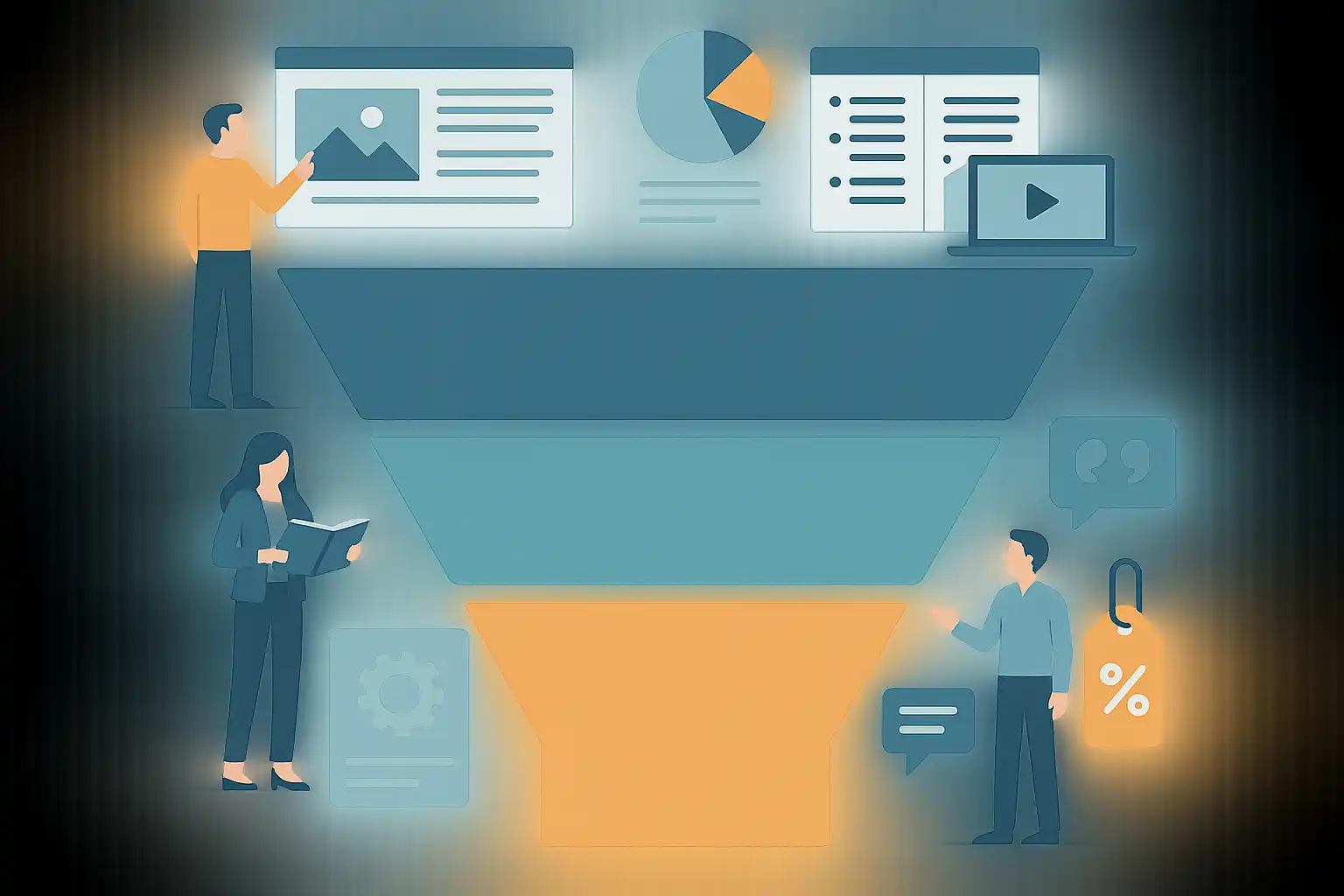
The buyer journey marketing funnel usually has three primary stages:
- Top of Funnel (ToFu) — Awareness
- Middle of Funnel (MoFu) — Consideration
- Bottom of Funnel (BoFu) — Decision
Each stage reflects how close someone is to making a purchase. Let’s explore each one and what kind of content works best.
Top of Funnel (Awareness)
Here, people are just realizing they have a problem or need. They might not even know your brand yet. Content at this stage should be helpful, educational, and easy to digest—not salesy. Your goal is to attract new visitors and help them understand their situation.
- Blog posts that answer common questions
- Infographics or quick tips
- How-to guides and checklists
- Short videos or social media content
For instance, a fitness brand could write a blog post titled “How to Start Working Out for Beginners.” This helps someone identify their goals and see your brand as a helpful resource.
Middle of Funnel (Consideration)
Now, prospects are aware of their problem and are looking into possible solutions. They are comparing options—including yours and your competitors. Content here should be more detailed and prove your value.
- Comprehensive buying guides
- Case studies showcasing real results
- Webinars and expert interviews
- Product comparison sheets and FAQs
For example, a software company might offer a downloadable guide, “Compare the Top 5 Project Management Tools,” that helps people see how their product stacks up.
Bottom of Funnel (Decision)
At this point, buyers want reassurance. They’re close to purchasing but want to know they’re making the right choice. The right content removes doubt and makes taking the final step easy.
- Customer testimonials and reviews
- Free trials or live product demos
- Special offers or discounts
- Personalized consultations
If you provide cloud accounting software, you could offer a free 14-day trial and share video testimonials from happy clients. This helps close the deal by building trust and providing proof.

How does content differ at each stage of the marketing funnel?
Content for different buyer journey marketing funnel stages must match what the buyer is thinking and feeling. Here’s how it changes from stage to stage:
- Awareness: Focus on problems the buyer faces, not your brand. Example: “5 Signs You Need to Upgrade Your Laptop.”
- Consideration: Offer solutions and comparisons. Example: “Which Laptop is Best for Designers? A Side-by-Side Comparison.”
- Decision: Prove your brand is the right choice. Example: “See Why 2,000 Designers Switched to Our Model.”
Each stage requires a different tone and format. Awareness content is educational and broad, consideration content is more technical and compares options, while decision content reassures and pushes for action.
Brands that personalize content at each step often see higher engagement and conversion rates. According to HubSpot, businesses that align content with the buyer’s journey can double their conversion rates compared to those who don’t.
What are examples of effective content types for each funnel stage?
Awareness Stage Content Examples
- Educational blog posts (e.g., “What is Email Marketing?”)
- Quick tip videos or Instagram reels
- Printable checklists (“Website Launch Checklist”)
- Research reports or industry statistics
- Simple infographics
Consideration Stage Content Examples
- eBooks or in-depth guides
- Case studies (“How Company X Increased Sales by 40%”)
- Comparison tables (“Us vs. Competitor”)
- Product walkthrough webinars
- Demo videos
Decision Stage Content Examples
- Free trials or samples
- Live demos
- Customer reviews and ratings
- One-on-one consultations
- Exclusive discounts
Using the right content at every stage moves prospects forward, turning strangers into buyers and buyers into loyal fans.
How can businesses create content for different buyer journey marketing funnel stages?
The key is to map your content plan to the funnel. Here’s a step-by-step approach:
- Identify your customer’s questions at each stage. What are they asking? Where are they searching?
- Select content formats that fit. For top of funnel, prioritize educational and visually engaging pieces. For middle, dive deeper—think guides, webinars, and proof points. For bottom, use trust-builders like testimonials and demos.
- Reuse and repurpose top-performing content. Turn a popular blog post into an infographic or a short video to reach more people.
- Use relevant platforms and tools. Content can be managed and tracked with a content strategy platform, which helps you spot gaps and improve what you offer.
- Ask for feedback and update regularly. Monitor results, listen to customers, and refine your approach for ongoing success.
This deliberate mapping ensures every piece serves a real need and advances the buyer along the journey.
What are best practices for aligning your content strategy with the funnel?
- Map the journey. Understand exactly where buyers drop off or get stuck, and fill in content gaps.
- Segment by persona. Not all customers have the same concerns. Tailor your resources for different needs.
- Measure everything. Track how each content piece performs using analytics tools like Google Analytics or HubSpot. Improve what works and retire what doesn’t.
- Repurpose smartly. Turn webinars into blog summaries, or guides into email series. Reach people at multiple touchpoints without extra effort.
- Stay current. Regularly audit and refresh your resources to keep information accurate and relevant.
By following these steps, you’ll make sure your content addresses real buyer needs. This not only improves conversions but also builds trust and long-term loyalty. The more you align your approach with the buyer’s mindset, the stronger your results will be.
FAQs about Content for Different Buyer Journey Marketing Funnel
- Why is the buyer journey marketing funnel important for content planning?
It helps you deliver the right message at the right time. Instead of guessing, you guide prospects smoothly toward a purchase and meet their needs at every step. - How often should I review or update my funnel content?
Review your content quarterly or whenever you launch new products. Update outdated information and fill gaps as buyer needs change. - Can smaller businesses use the funnel approach effectively?
Absolutely. Even with a small team, mapping content to funnel stages helps maximize results and avoids wasted effort. Start simple and grow over time. - What tools can help manage and measure funnel content?
Tools like HubSpot, Mailchimp, or Google Analytics can track content success. Content management platforms help organize and spot gaps so you serve your audience better.
By understanding content for different buyer journey marketing funnel stages, you can make your marketing more effective, your buyers happier, and your business stronger. Start mapping your funnel today and watch your results improve.