Effective blog post planning techniques for marketing are essential if you want your content to consistently reach, engage, and convert your audience. Right from the start, a well-planned blog process does more than fill a calendar—it ensures every post aligns with your business goals and audience needs. Whether you’re new to content marketing or looking to sharpen your methods, understanding these techniques will save time, boost results, and help you stand out in a crowded digital space.
What are the most reliable blog post planning techniques for marketing?
Successful blog post planning starts with knowing your audience. Go beyond simple demographics by performing audience research for blog content marketing. Tools like Google Analytics and social media listening let you discover not just who your readers are, but what they care about, the problems they face, and how they consume content. This insight is the base for deciding which blog topics will genuinely resonate with your target readers.
For example, use surveys, interviews, and feedback forms to collect direct input from your audience. Analyze frequently asked questions in your emails, comments, and social media. These techniques help you create an “idea engine”—a rich source for ongoing blog topics.
Identifying Content Gaps and Opportunities
Spotting content gaps is a proven way to keep your blog valuable and competitive. Use tools such as Google Trends, Ahrefs, or Semrush to see what your competitors cover and where they fall short. A content gap analysis will point out topics your audience wants but haven’t found elsewhere, helping you offer unique value and fresh insights.
Aligning Blog Goals with Business Objectives
Every blog post should serve a strategic purpose that supports your marketing objectives, such as lead generation, customer retention, or building thought leadership. List your key business goals and match each one to content types or campaign ideas. For example, informative how-to guides can attract new leads, while case studies might nurture existing customers.
- Lead generation: Create in-depth guides or checklists with calls to action (CTAs).
- Customer retention: Share expert tips, industry news, or advanced tutorials.
- Thought leadership: Publish trend analyses, expert interviews, or unique predictions.
The clearer the alignment between blog topics and business goals, the easier it is to measure success and stay consistent.

How do blog post planning techniques improve content consistency and audience engagement?
Consistency is key to building a loyal readership and strengthening your brand’s authority. Blog post planning techniques such as using content calendars and batching content creation reduce pressure and prevent last-minute scrambles. This leads to a steady publishing rhythm, improving engagement and trust.
Content Calendar Strategies for Consistent Blogging
Developing a content calendar is one of the most important content calendar strategies for consistent blogging. A content calendar helps you map out topics, deadlines, and publishing dates. Tools like Trello, Notion, or Google Sheets make it easy to visualize your schedule and assign tasks. Use these steps to build an effective content calendar:
- Brainstorm blog topics based on business goals and audience research.
- Assign a publishing frequency (e.g., two posts per week).
- Map out each topic on a calendar, along with assigned writers and deadlines.
- Leave room for timely topics or industry news to keep your content fresh.
- Track progress and adjust based on feedback and analytics.
A good calendar not only keeps you organized but also ensures you’re covering a range of themes that matter to your audience, rather than repeating the same topics.
Batching Content Creation
Batching means creating multiple blog posts in one focused work session. This technique boosts productivity, reduces context switching, and helps maintain a consistent voice across posts. For example, spend one day writing outlines for several posts, the next day drafting, and another day editing. This workflow makes it easier to keep up with your schedule and avoid burnout.
Content Clustering and SEO Optimization
SEO blog content optimization methods go hand in hand with strong planning. Content clustering involves grouping related posts around a central “pillar” topic to build topical authority. For instance, write a main pillar post on digital marketing, then supporting posts around email marketing, content strategy, and analytics. This approach improves internal linking, helps search engines understand your site’s structure, and boosts your ranking for key topics.
For on-page SEO, do keyword research before writing each post. Tools like Google Trends and Semrush show you what words or phrases your audience is searching for. Optimize titles, meta descriptions, and headings, but always write naturally for your readers.
Which tools help streamline blog post planning for marketers?
Using the right tools can make blog post planning faster and more effective. Here are some top choices for marketers:
- Trello and Notion: Great for building editorial calendars, assigning tasks, and tracking progress.
- Feather: Useful for scheduling and publishing blog posts.
- Google Trends: Helps you spot trending topics and keywords.
- Ahrefs and Semrush: Essential for keyword research, content gap analysis, and SEO tracking.
- Google Analytics: Lets you monitor what content performs best and where you can improve.
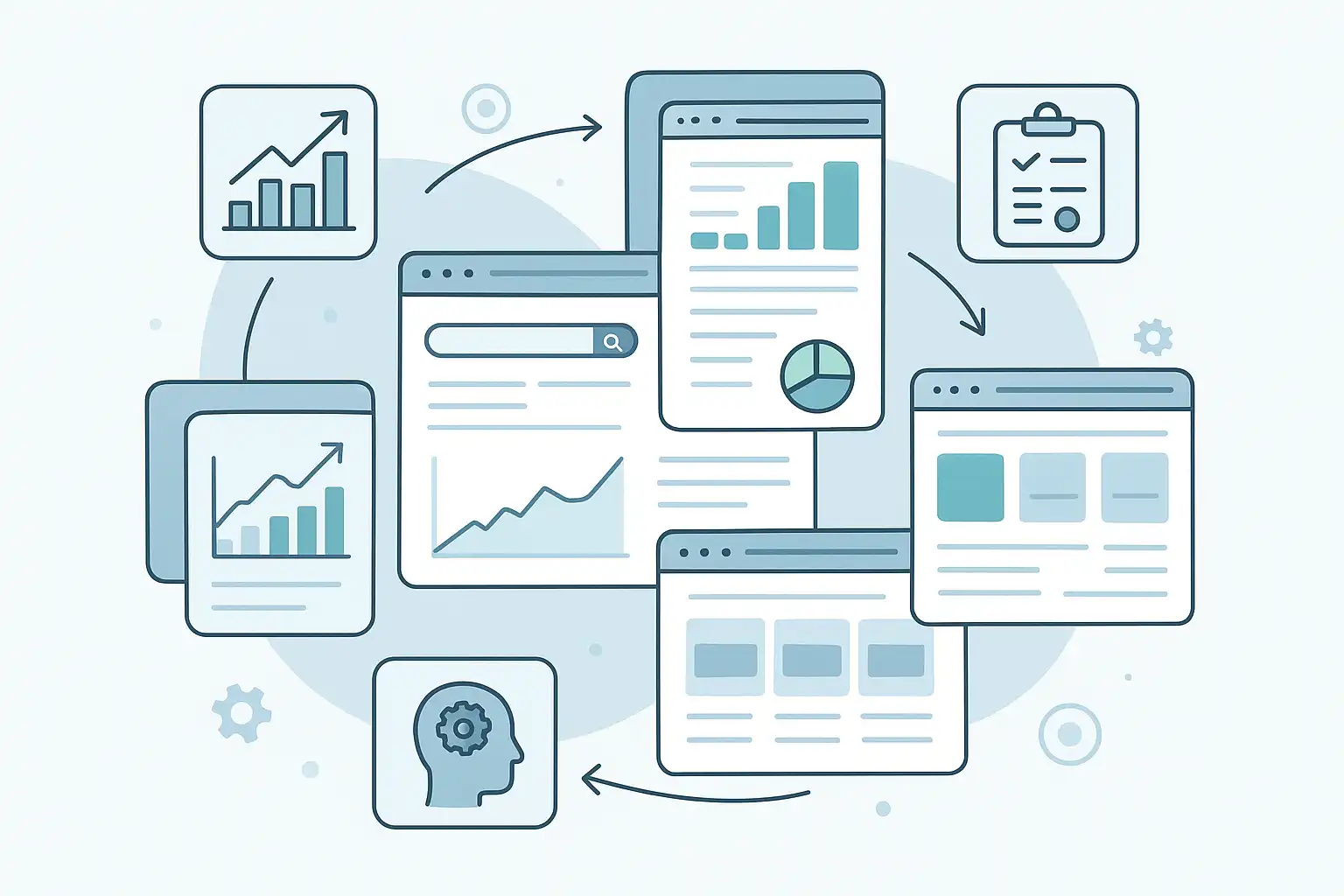
In particular, if you aim to improve your content strategy, try combining analytics dashboards with content calendars. This approach helps you continuously refine your topics and tactics based on real data.
Content Audits and Metrics
A regular content audit reviews your existing posts for quality, accuracy, and performance. Identify outdated information, broken links, or underperforming content. Updating and republishing your best posts can often drive quick wins. Track key performance indicators (KPIs) like page views, conversions, and average time on page to measure what works best for your audience.
Repurposing and Idea Banks
Maximize your content’s reach by repurposing blog posts into other formats, such as videos, infographics, or email newsletters. An idea bank—a simple document or system for saving blog post ideas—ensures you always have a backlog of topics to choose from. Encourage team members or even your audience to contribute, so inspiration never runs dry.

How can you maintain and improve your blog planning process over time?
Continuous improvement is at the heart of successful blog post planning techniques for marketing. After each publishing cycle, review your analytics to see which topics, headlines, or formats engaged your audience most. Don’t be afraid to experiment with A/B testing for headlines and calls to action (CTAs). Learning from your results means you’ll get better with each round.
- Monitor analytics regularly for signs of growth or decline.
- Gather feedback from readers or team members about what topics or formats they prefer.
- Adjust your content calendar and topic priorities monthly or quarterly.
- Document your most successful processes in a playbook for easy reference and team training.
Staying agile ensures your blog remains relevant even as market trends and audience needs change. Your planning process should be flexible enough to accommodate new ideas, but structured enough to keep you on track.
FAQ
- What is the most important first step in blog post planning for marketing?
Start by deeply understanding your audience using audience research tools and methods. If you know your readers’ problems and interests, you can plan posts that attract and engage them. - How far ahead should I plan my blog posts?
Most experts recommend planning content at least one month in advance. A three-month editorial calendar gives you room to prepare, adjust, and react to trends while staying organized. - Should I focus on quantity or quality in my blog planning?
Quality always matters more than quantity. It’s better to publish fewer, well-researched posts than to push out lots of low-value content. High quality builds trust, boosts SEO, and drives real marketing results. - How do I ensure my blog supports business goals?
Match every blog topic to a specific business objective. Use measurable KPIs to track progress and shift your strategy based on what delivers the best results.