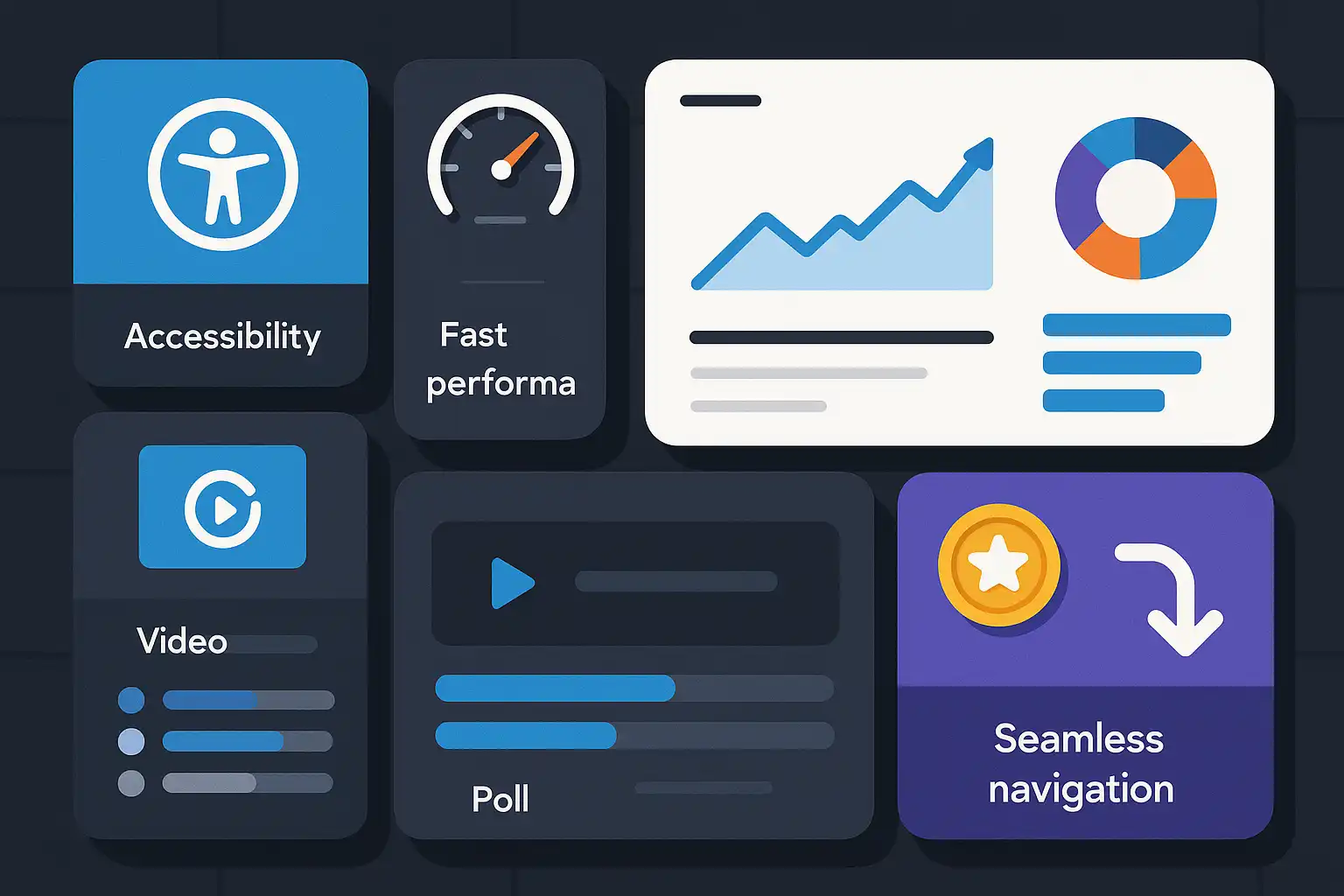
What are the best practices for website content? In 2025, successful website content is all about delivering value, being accessible, and engaging your audience. The moment a visitor lands on your page, your content should make it easy for them to find what they need and inspire them to stay longer. This article highlights proven methods and tools for crafting content that connects with users and search engines alike.
What Makes Effective Website Content in 2025?
Effective website content in 2025 focuses on clarity, accessibility, engagement, and discoverability. With the web more competitive than ever, you need to stand out not just with words, but with a user-friendly experience. Let’s break down what this means for your website.
Clarity and Relevance
Start with a clear headline and introduction. Make sure your core message is instantly visible. Avoid jargon; prioritize simple language. Each section should guide readers smoothly to the next, creating a logical flow that answers questions before users even ask them.
Accessibility for All Users
Accessibility means everyone, including people with disabilities, can use your website. Use alt text for images, high-contrast colors for text, and logical heading structures. Tools like Axe and WAVE help you check for accessibility issues. In 2025, accessibility is not just a nice-to-have—it’s a best practice and often a legal requirement.
Page Speed and Core Web Vitals
Fast-loading content is essential. Slow pages lead to higher visitor drop-off. Compress images, use modern formats, and limit third-party scripts. Tools like Jetpack Boost or Google PageSpeed Insights help you optimize site speed. A quick site supports better search rankings and improves user experience.
Up-to-Date and Relevant Content
Update your content regularly. Outdated information reduces credibility and hurts SEO. Set reminders to review key pages, update statistics, and refresh examples every few months. Dynamic content signals to both users and search engines that your site is active and trustworthy.
SEO Fundamentals
Good content is discoverable. Use natural keyword placement in headlines and throughout your text. Incorporate related phrases and synonyms. Focus on user intent—what are people actually searching for? Well-crafted meta titles and descriptions help search engines showcase your pages in relevant search results. Internal links provide extra context: for example, businesses looking to improve their approach might benefit from methods found in content strategy resources.

How Can Engagement Be Improved With Website Content?
User engagement is a top priority in 2025. Keeping visitors interested reduces bounce rates and builds brand loyalty. Here are the most effective strategies:
- Content Recommendations: Suggest related articles or products to keep users exploring your site.
- Compelling Calls-to-Action (CTAs): Use direct, action-oriented language to encourage next steps, like signing up for a newsletter or downloading a resource.
- High-Quality Visuals: Use clear images, icons, and infographics to complement your message and break up text.
- Interactive Content: Embed quizzes, polls, or calculators to let users interact with your site. Interactive content can boost time-on-site and encourage sharing.
- Video Content: Videos explain complex topics quickly and are favored by many users. Tools like Jetpack VideoPress help you manage and display videos effectively.
- Live Chat Support: Real-time assistance can resolve questions and drive conversions. Many platforms offer easy integration of live chat widgets.
- User-Generated Content: Encourage reviews, comments, or photo submissions. This involvement builds community and adds credibility through social proof.
For example, when considering how to plan a successful content calendar, applying insights from blog post planning techniques for marketing can enhance your engagement strategy and ensure your topics stay relevant.
Encouraging Repeat Visits
Loyalty programs, rewards, and exclusive content (“gated content”) can motivate users to return. Engaging newsletters that offer real value—like tips, updates, or special deals—keep your brand top of mind. Regularly analyze engagement using tools like Jetpack Stats to measure what’s working and adjust your tactics.
What SEO Strategies Work Best for Website Content?
SEO is more than just keywords—it’s about connecting users with the solutions they seek. In 2025, these best practices for website content will help your site rank higher and reach more people:
- Keyword Optimization: Research search terms your audience uses. Place main keywords in headings and throughout the content without overdoing it. Use related terms for context.
- Internal Linking: Link to other relevant pages within your site. This improves navigation, helps search engines understand your structure, and provides more value to readers. For B2B companies, gaining inspiration from resources like B2B content strategy simple guide can make interlinking more strategic and organized.
- Technical SEO: Optimize page speed, mobile responsiveness, and site security. Use proper heading structure (H1, H2, H3, etc.) and descriptive alt text for images.
- Structured Data: Add schema markup to help search engines display rich results, such as reviews, events, or FAQs.
- User Intent: Always write for your target audience. Analyze visitor behavior using platforms such as Jetpack Stats or Google Analytics to see what users want and what content performs best.
Content Formats and Technology Trends
In 2025, the most effective content formats combine value and interactivity. Videos, polls, quizzes, live chat, and gated resources are increasingly popular. These formats increase time on site and can be tracked for engagement. Adoption of performance tools like Jetpack Boost and accessibility checkers such as WAVE or Axe ensures your website meets modern standards while remaining usable for all visitors.
Organizations aiming to optimize their editorial process should start by understanding what is content planning explained, which outlines foundational steps for effective strategy, planning, and publishing.
Why Are Analytics Essential for Website Content Success?
Measuring your content’s performance shows what’s working and what needs improvement. Analytics tools offer insights into visits, bounce rates, engagement, and conversion. Jetpack Stats, for example, provides a convenient dashboard for analyzing which posts attract attention and which CTAs convert visitors to customers.
- Set clear goals for each piece of content—do you want more signups, downloads, or shares?
- Use analytics to compare different topics, titles, or formats. Adjust based on the data.
- Monitor technical health, including broken links, mobile responsiveness, and page speed.
By focusing on data and continuous improvement, you increase your chances of meeting user needs and achieving your business goals.
Building a Winning Content Strategy
In 2025, a winning content strategy weaves together all these best practices for website content. Start by defining your audience, researching their needs, and planning content that delivers answers quickly. Incorporate SEO at every stage, from research to publishing. Use a mix of written, visual, and interactive elements to keep things engaging. Most importantly, stay flexible and ready to adapt as user behavior and technologies evolve.

Frequently Asked Questions
What tools help optimize website content for 2025?
Leading tools include Jetpack Boost (site speed), Jetpack VideoPress (video hosting), WAVE or Axe (accessibility checks), and Jetpack Stats or Google Analytics (performance tracking). Using a mix of these helps maintain competitive, accessible, and engaging site content.
How important is interactive content for engagement?
Interactive content—like quizzes, polls, and embedded videos—significantly boosts engagement. These elements make users active participants, increase time spent on site, and can be easily shared, widening your reach.
Should all websites use gated content?
Gated content works best when it offers real value, such as exclusive research or deep-dive guides. It can increase user commitment but is most effective when balanced with freely available, helpful information.
How often should website content be updated?
At a minimum, review and update core pages every three to six months. Update when key facts change, new trends emerge, or performance data suggests room for improvement. Regular updates show users and search engines that your site is active and reliable.