If you want your marketing or content strategies to truly connect with people, you need to understand who you’re trying to reach. Audience research examples show, in practical terms, how businesses identify their target groups and shape communications that work. In the first moments, let’s be clear: the most effective strategies are built on a foundation of solid audience research. Real-world examples—spanning both business-to-business (B2B) and business-to-consumer (B2C)—demonstrate how brands use both demographic and psychographic information to define their audiences and craft messages that resonate and convert.
Audience research is more than just knowing ages and locations. Companies use a three-step process: researching, analyzing data, and segmenting groups based on behavior, values, and needs. By looking at concrete audience research examples, we can see how this process shapes everything from product launches to content planning and advertising. These examples are not just case studies—they’re practical blueprints for making decisions that lead to real results.
What is Audience Research and Why Does It Matter?
Audience research is the practice of gathering information about the people you want to reach. This includes basics like age, gender, income, and location, but also goes deeper into interests, challenges, and lifestyles. The goal is to answer questions such as: Who is most likely to be interested in what we offer? Where do they spend their time? What do they care about?
Understanding your audience means you can avoid guesswork. Instead of “hoping” your message connects, audience research examples show you can make educated decisions about content, timing, and channels. For marketers and business owners, this is the difference between throwing messages into the void and speaking directly to people’s needs.
How Do Audience Research Examples Help Identify Target Demographics?
Effective audience research examples guide teams in identifying the right demographics for a campaign. This isn’t just about statistics—it’s about making sense of what the numbers mean in real life. For example, a B2C clothing brand may start with basic demographics like age and location, but real insight comes from adding psychographic data: What trends do these customers follow? What do they value in style or sustainability?
Marketers often follow a three-step approach for clarity:
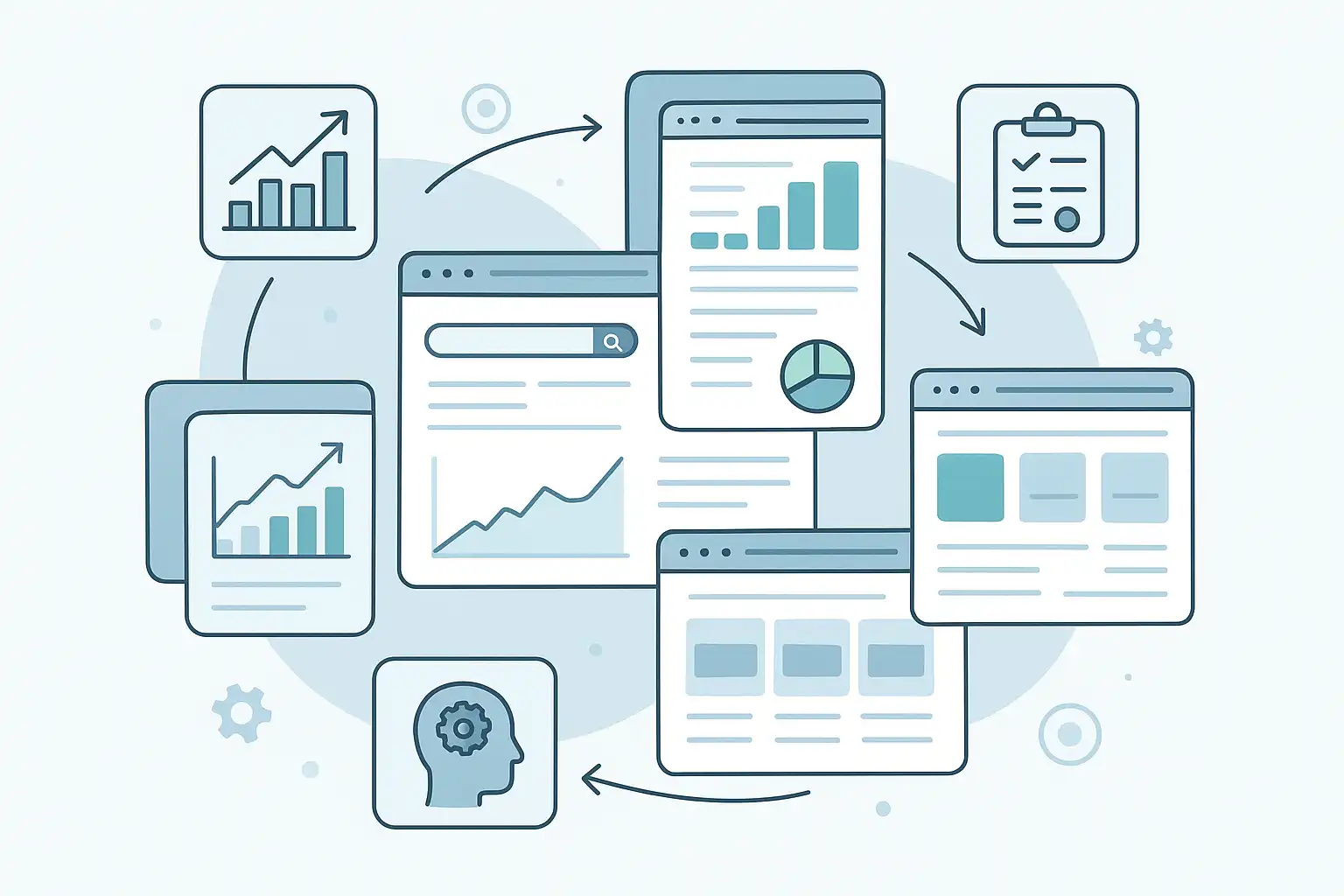
- Research: Use surveys, interviews, and analytics tools to gather demographic and psychographic data.
- Analyze: Spot patterns in the data. What needs, challenges, or preferences appear across segments?
- Segment: Divide the audience into clear groups with shared traits—such as young professionals who value convenience or parents seeking eco-friendly products.
This method helps brands avoid broad messaging and instead focus on what matters to distinct groups. For example, when launching a new eco-friendly laundry detergent, a company might use research to discover that young families in urban areas are both price-sensitive and motivated by environmental concerns. This insight leads to targeted messaging around cost savings and sustainable packaging.
According to the Audience Research Guide, combining demographic and psychographic analysis is key to defining who your real audience is—especially if you want to stand out in crowded markets.

What Types of Audience Research Examples Guide Marketing Strategy?
Audience research examples come in many forms, but the most useful ones provide real context for decision-making. Here are six practical examples across both B2B and B2C settings:
- B2B Example 1: A software company surveys IT directors to learn about their daily work challenges and preferred communication channels. The data reveals that webinars and whitepapers outperform email blasts, leading the team to shift focus to long-form educational content.
- B2B Example 2: A consulting firm analyzes client industries and company sizes. They find their best-fit clients are in manufacturing sectors with 500–1000 employees. This insight helps them fine-tune their LinkedIn ad targeting and sales messaging.
- B2B Example 3: A cloud security provider maps out customer journeys by interviewing security managers. The results show that decision-makers prefer case studies over technical specs, so the company increases storytelling in sales materials.
- B2C Example 1: A fitness brand runs social media polls to discover what motivates people to exercise. The top answers—stress relief and community—lead to campaigns focused on group classes and mental well-being.
- B2C Example 2: A food delivery startup uses website analytics to track order patterns by time and location. The data shows demand spikes during workdays in downtown areas, prompting targeted lunch promotions.
- B2C Example 3: A skincare label sends post-purchase surveys asking about lifestyle and beauty routines. Responses highlight a strong interest in natural ingredients, so the brand features ingredient sourcing in content and packaging.
Each of these audience research examples highlights the importance of moving from raw data to actionable insights. The process is not just about collecting information, but using it to inform concrete steps: what content to create, where to publish it, and how to speak to the audience’s true needs.
How Do Real Audience Research Examples Shape Content Strategy?
Audience research directly shapes content and marketing strategies. By knowing exactly who you’re speaking to, you can decide on the channels, formats, and topics that are most likely to succeed. For example, if audience research uncovers that your target group prefers learning through podcasts over blog posts, you can shift your content calendar to include audio content.
Let’s look at a few ways audience research examples inform strategy:
- Content Formats: Discovering video is popular among your audience leads to investments in short-form video production.
- Topics: Survey results showing a demand for mental health tips prompt regular articles on wellness.
- Platform Choice: Social listening reveals that your ideal audience spends more time on Instagram than Facebook, so you adjust your social strategy accordingly.
In practice, a company might launch a new product and notice through data analysis that early interest is driven by young, tech-savvy professionals. By studying the content these users engage with, the firm can prioritize how-to guides, user stories, and quick tips, instead of general product pages. This approach results in better engagement, as the content matches the audience’s needs and preferences.
It’s worth mentioning that audience research is a dynamic process. Strategies should be refined as new data comes in. For more on this evolving process, the audience research media article explores how ongoing research improves media choices and content delivery.
What Are the Main Methods for Conducting Audience Research?
There are several time-tested ways to gather audience data. By combining quantitative methods (numbers and statistics) and qualitative approaches (opinions and feelings), marketers get a full picture. Here are common methods used in audience research examples:
- Surveys and Polls: These are fast and scalable for collecting data about preferences, challenges, and behavior.
- Interviews: One-on-one conversations provide depth, revealing motivations and feelings that numbers alone can’t show.
- Focus Groups: Small groups discuss ideas, giving feedback on products or campaigns in real time.
- Web and Social Analytics: Tools like Google Analytics and social media insights show how people interact with websites and content.
- CRM and Purchase Data: Analyzing transaction records reveals buying habits and trends across customer segments.
- Social Listening: Monitoring online conversations uncovers emerging trends and opinions in your target market.
The key is to use a mix of methods for balance. For instance, an ecommerce brand might use analytics to identify peak shopping times, follow up with a survey about favorite products, and use social listening to spot new trends. By linking these insights together, as seen in robust audience research examples, brands can fine-tune both their messaging and their offers.
How Do B2B and B2C Audience Research Examples Differ?
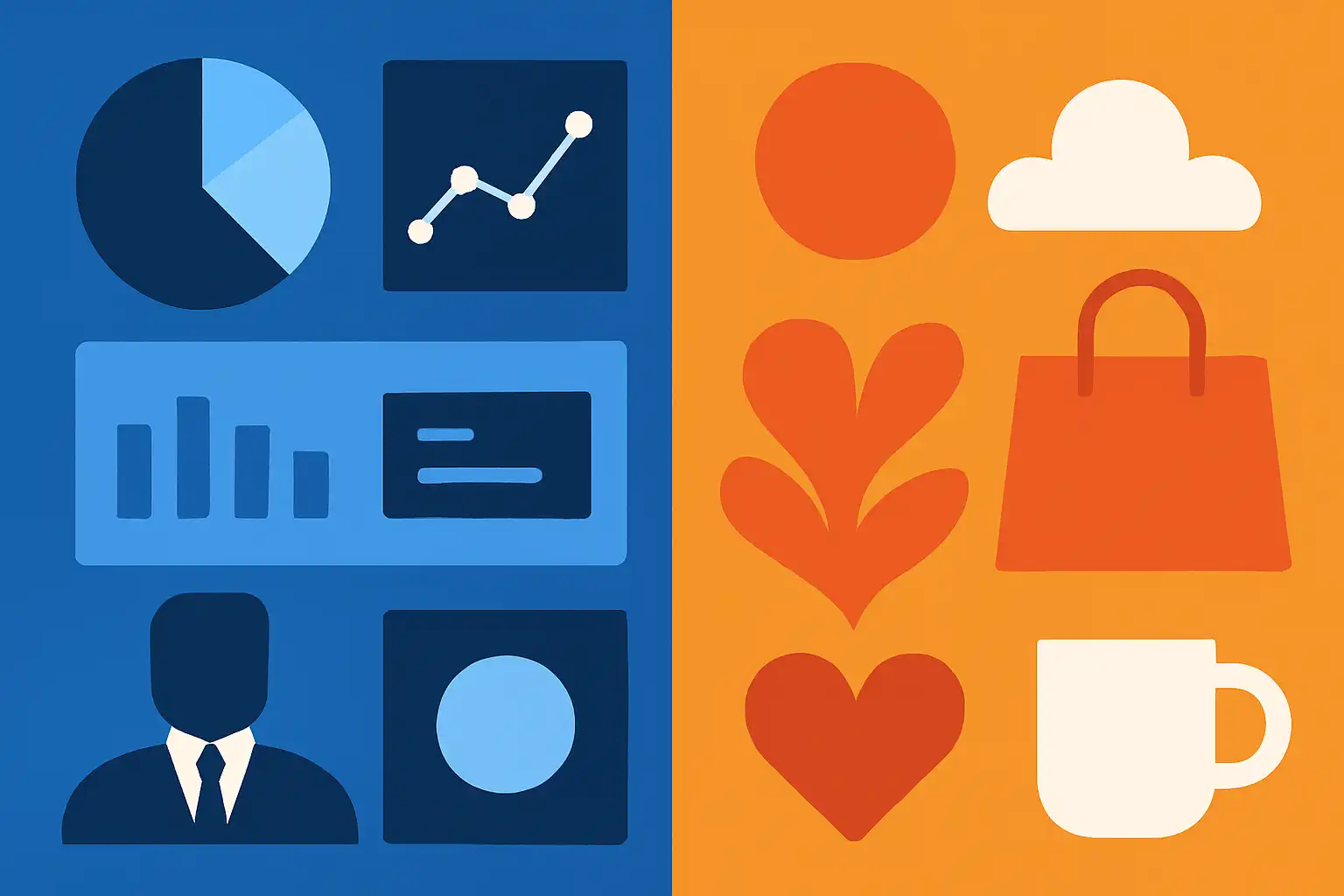
B2B and B2C companies both rely on audience research, but the details of their approaches often differ. In B2B, audience research focuses on roles, company size, industry, and purchasing processes. B2C research, in contrast, often emphasizes lifestyle segmentation, interests, and emotional motivations.
For B2B, an effective audience research example might be a SaaS provider segmenting its audience by company size and IT budget, then tailoring product demos accordingly. In B2C, a cosmetics brand might divide its audience by age group and desired effects (e.g., anti-aging vs. brightening), with campaigns and products customized to each segment.
| B2B Audience Research | B2C Audience Research |
|---|---|
| Focuses on job roles, industry, decision-making cycles. | Emphasizes personality, lifestyle, and emotional triggers. |
| Involves longer research and sales processes. | Often deals with impulse or passion-driven purchases. |
| Uses LinkedIn, trade publications, industry events. | Leverages social media, influencers, and pop culture. |
Both types benefit from combining demographic and psychographic data. The main difference lies in the specific questions asked and the channels used to reach target segments. For a deeper dive into tailoring marketing content to user journeys, you might be interested in the insights shared in buyer journey content.
How Can You Use Audience Research to Boost Engagement?
Engagement rises when your message is tailored to what your audience truly wants. As shown in leading audience research examples, effective strategies use deep insights to make every touchpoint more relevant. Here are steps that brands use to boost engagement based on audience research:
- Develop Personas: Build detailed profiles that combine demographics and psychographics, picturing real customers with names and stories.
- Personalize Content: Tailor headlines, visuals, and calls to action for each segment. Even small tweaks—like changing the tone or using the audience’s preferred platform—can lead to gains.
- Test and Measure: Run A/B tests to compare approaches, using analytics to see which messages perform best.
- Collect Feedback: Invite input after purchases or interactions and use it to refine future communications.
One well-known example is Spotify’s personalized playlists, which are driven by ongoing audience research. By analyzing listening habits and survey feedback, they create experiences tailored to each user, resulting in high engagement and loyalty. The same method can be seen in smaller companies—local gyms, for instance, that design programs based on member surveys.
What Are the Pros and Cons of Different Audience Research Methods?
| Method | Pros | Cons |
|---|---|---|
| Surveys | Cost-effective, scalable, easy to analyze. | Risk of low response rates, shallow answers. |
| Interviews | In-depth insights, clarifies complex issues. | Time-consuming, small sample sizes. |
| Analytics | Real data, ongoing tracking, easy segmentation. | Lacks context on motivations and “why” behind actions. |
| Social Listening | Early warning of trends, natural feedback. | Can be noisy, hard to verify representativeness. |
For most organizations, using a mix of these methods creates a fuller picture. By seeing both what people do and why they do it, as detailed in strong audience research examples, you can design better strategies from the start.
How Can Research Examples Guide Academic and Technical Content?
The principles behind audience research are not limited to business. Academic writers, researchers, and technical communicators also benefit from analyzing their audience. For instance, understanding whether you’re writing for other experts or a general audience shapes everything from vocabulary to structure.
When planning a scholarly article, for example, mapping out the intended reader—perhaps by referencing works like Audience for Research Paper—helps ensure your ideas are presented at the right level. This is as true for a scientific abstract as it is for a blog post designed for beginners.
Steps to Apply Audience Research Insights
Ready to use audience research examples in your own strategy? Here is a step-by-step guide you can follow:
- Define Goals: Get clear on what you want—more sales, better engagement, or higher awareness.
- Choose Research Methods: Pick at least two approaches (e.g., surveys and analytics) for a balanced view.
- Gather Data: Collect information from your audience using the methods chosen.
- Analyze Results: Look for common traits, challenges, and preferences among responses.
- Segment Audience: Divide into groups with similar needs or interests.
- Build Personas: Create fictional but realistic audience profiles to guide your content and campaigns.
- Tailor Content: Match your messaging, offers, and channels to what you’ve learned.
- Test, Measure, Repeat: Track results, ask for feedback, and keep refining your approach.
This cycle is not one-and-done. As markets and audiences shift, so must your strategy—using new insights from ongoing research. Leading brands revisit their audience research regularly to stay current and competitive.
FAQ
How do audience research examples help in identifying target demographics?
Audience research examples help by combining demographic data—such as age, gender, income, and location—with psychographic information like interests and values. This layered approach reveals who your real customers are, what motivates them, and which messages are likely to connect. The process typically involves research, analysis, and segmentation, resulting in accurate targeting and more effective communication.
How can audience research examples shape marketing and content strategies?
Using real data from audience research, brands can tailor their strategies to match audience preferences. For example, knowing which platforms your audience uses, what topics matter most, and how they make decisions allows you to choose the best formats, channels, and messages. Audience research examples demonstrate that such tailored approaches lead to better engagement and improved results.
What methodologies do effective audience research examples demonstrate?
Strong audience research examples show the integration of demographic analysis (the “who”) and psychographic analysis (the “why”), along with segmentation and channel-specific targeting. By doing this, marketers create detailed profiles, then use insights to personalize content and engagement. Methodologies often include surveys, interviews, analytics, and ongoing testing to refine the approach.
Can audience research examples be used in academic or technical writing?
Yes, audience research is just as valuable in academic and technical settings. Understanding your intended readers—whether experts or the general public—guides you in choosing vocabulary, structure, and content depth. Using reference points like research paper audience analysis ensures your communication is both accessible and effective.