If you’re running a small business, you probably wonder how to attract more customers without spending a fortune. The answer lies in having the right plan for your online content. This article provides content strategy examples for small business owners who want to grow, build trust, and stand out—without big budgets or complicated tools. We’ll walk through real content strategies you can use, along with practical steps and inspiring examples.
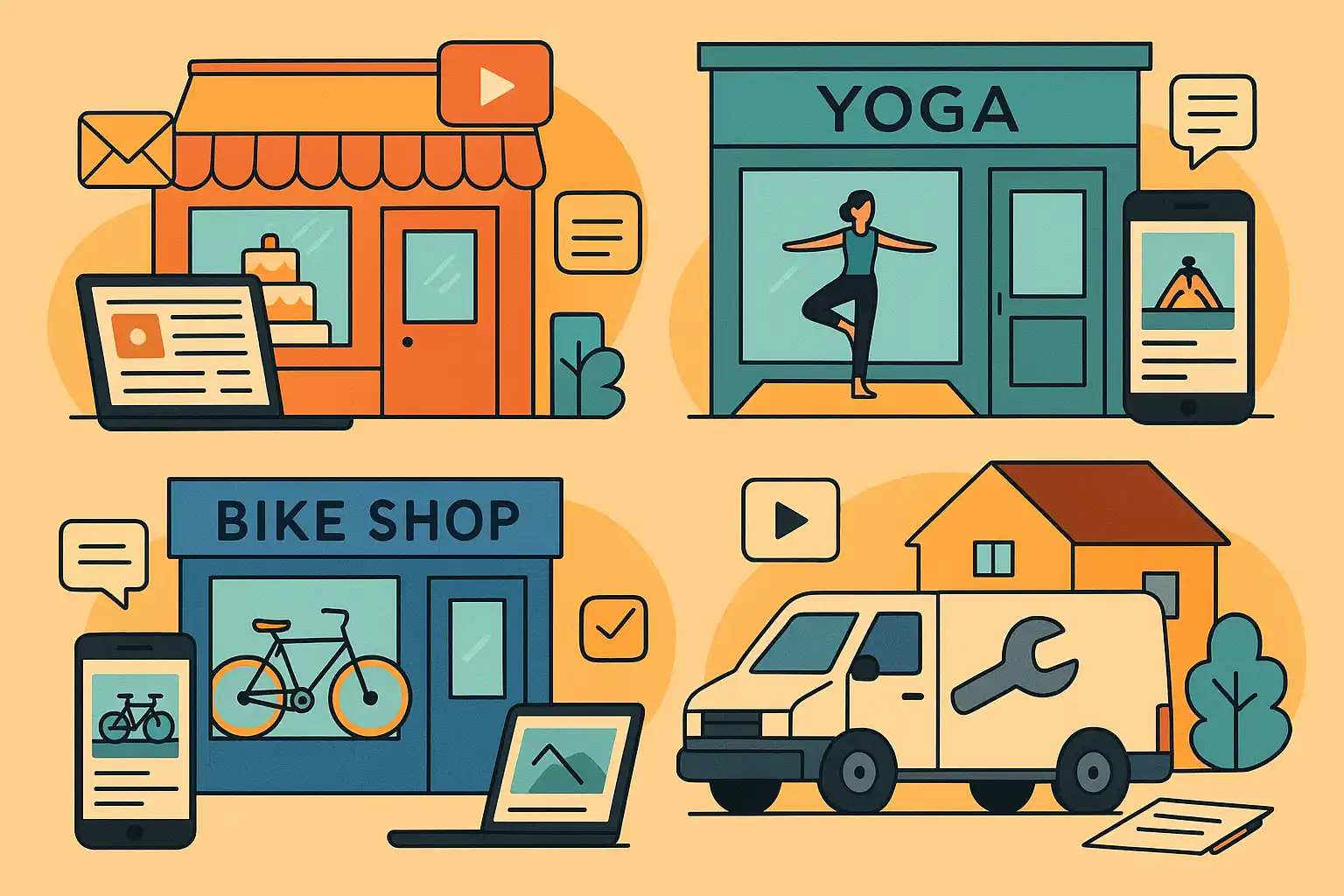
In fact, whether you own a bakery, run a yoga studio, or repair bicycles, content can turn local browsers into loyal customers. Small businesses often think content marketing is only for big brands, but that’s not true. With the right approach, your blog posts, social media updates, or videos can attract attention and keep your business top of mind. Let’s dive straight into proven strategies and examples that work for small businesses everywhere.
What is a good content strategy for small businesses?
To succeed online, small businesses need a clear content plan. A good content strategy is more than writing random blog posts or posting photos on social media. It’s a focused plan that helps you reach the right people, solve their problems, and encourage action—like making a purchase, booking a call, or trying your product.
Every strong content strategy for small business starts with these core steps:
- Set clear goals: Decide if you want more website visitors, local customers, or email signups.
- Understand your audience: Know who your customers are, what they need, and where they hang out online.
- Choose your channels: Should you blog, post on Instagram, send emails, or create short videos? Pick what fits your business and your audience.
- Plan your topics: List what your customers ask about, problems they face, or things they want to learn—then create content to help them.
- Measure and adjust: Watch which posts perform best, and keep improving.
Many small businesses look for a content strategy that balances quick wins with long-term growth. For example, a local bakery might write blog posts about bread-making tips for beginners, share daily specials on Instagram, and send out a simple monthly email with recipes. This mix reaches customers wherever they spend time and keeps the business in their minds.

How do small businesses develop a content strategy on a budget?
Most small businesses can’t hire a full-time content team. Fortunately, you don’t need to. You can develop an effective and realistic content plan—even with limited time and money. Here’s how:
- Focus on your strengths: If you’re great at talking to customers, use video or live Q&A sessions. If you prefer writing, start a blog. Tailor your approach to what comes naturally.
- Repurpose content: Turn a single idea into several pieces. For example, answer a common customer question in a blog post, then use highlights for a Facebook post and a quick video tip on Instagram.
- Use free tools: Platforms like Canva for graphics, Mailchimp for email, or Google My Business for local visibility are budget-friendly and easy to use.
- Stick to a schedule: Consistency is more important than frequency. Posting once a week, every week, is better than flooding channels one month and going silent the next.
- Engage your audience: Ask customers to submit photos, reviews, or questions. This creates authentic content and involves your community.
One bike shop owner realized regular blog posts about simple bike repairs were a hit with his customers—so he expanded by filming quick repair tips and sharing them on social channels. By listening to what worked, he grew his reach without spending a lot.
Which content types work best for small businesses?
Small businesses don’t have to stick with just one format. Mixing different content types keeps things interesting and helps reach different people. Here are the most effective types of content for small businesses:
- How-to articles and guides: Answer questions your customers ask. For example, a landscaping company could post about caring for houseplants in winter.
- Behind-the-scenes stories: Show the people, processes, and passion behind your business. Photos or short videos are perfect for this.
- Product demos and tutorials: Show how to use your products or services. Simple videos often work best.
- Customer success stories: Ask happy customers for testimonials or to share their experience on your site or social channels.
- Seasonal tips: Tailor your content to holidays, local events, or weather—like a pest control service posting about summer insect prevention.
- Email newsletters: Stay in touch with your best customers by sharing updates, tips, or special offers.
Experiment and see what your audience enjoys most. Some small businesses find that Instagram Stories bring in the most engagement, while others get more attention with well-written blog posts. The key is to try, track, and refine your content approach.
How do I measure if my content strategy examples for small business are working?
It’s easy to get caught up in creating content and forget to check what works. To see results, you need to measure. These steps are easy to follow:
- Check your website traffic. Free tools like Google Analytics show which posts attract visitors.
- Look at social engagement—likes, shares, comments, and direct messages can all signal success.
- Track email opens and clicks if you send newsletters.
- Ask new customers how they found you, either in person or with a quick online form.
- Review your sales or inquiries the week after a big content push.
If a blog post about a new service led to more calls, or if a video walkthrough of your shop brought in new customers, you’ll know you’re on the right track.
What are some practical content strategy examples for small business?
Let’s look at real examples that any small business can adapt today, using simple resources and genuine customer insights.
Example 1: Educational blog series for a pet grooming service
One small pet grooming business wanted to stand out in a crowded market. They started a blog series answering common questions—like “How often should you bathe your dog?” and “What dog breeds need the most grooming?” Each post included professional tips and ended with a call to book an appointment. Over several months, these posts ranked well on local search and brought in steady new clients.
Example 2: Social media behind-the-scenes for a craft bakery
The owner of a craft bakery decided to post Instagram Stories showing how bread is made each morning. Short clips of dough rising, friendly team moments, and new recipes connected with local customers. Followers began sharing these stories, driving both online orders and walk-in visits—proving even simple content can have big impact.
Example 3: Customer spotlight emails for a fitness studio
A neighborhood fitness studio featured a monthly “member spotlight” in its email newsletter. Each edition told a different success story, highlighting the member’s achievements and favorite workouts. Not only did this encourage participation, but readers forwarded the emails to friends—growing the subscriber list and strengthening the studio’s sense of community.
Example 4: How-to tutorials for a home repair business
Recognizing that many clients had simple DIY questions, a home repair business posted a series of short video tutorials on fixing leaky taps, patching walls, and basic electrical tips. These videos built trust and positioned the business as a go-to expert—while leading to more job inquiries when viewers needed professional help for bigger projects.
Example 5: Local guides for a tourism service
A small tour company created downloadable local guides—like “Top Family Activities in Our Town” and “Hidden Gems Near City Park.” These freebies were shared widely on social channels and collected visitor emails. The guides positioned the company as a friendly expert and encouraged bookings for local tours.

What tools help small businesses manage content strategy?
Staying organized is the secret to long-term success with content. Small businesses have plenty of free or affordable tools to help:
- Google Calendar: Plan your blog posts or social campaigns with reminders so you stay on track.
- Canva: Make eye-catching graphics for social posts—even without design skills.
- Buffer or Hootsuite: Schedule posts across platforms and check engagement in one place.
- Mailchimp: Start and manage email newsletters with ready-made templates.
- Google Analytics: See what website content works best.
In fact, using guides like the content strategy guide can help you set up these tools quickly, so you can focus on what matters most—your customers.
What mistakes should small businesses avoid in their content strategy?
Even with the best intentions, small businesses sometimes hit roadblocks. Here’s what to watch out for and how to avoid common mistakes:
- Doing too much at once: It’s tempting to post everywhere, but focus on channels where your audience is most active.
- Ignoring analytics: If you never check results, you won’t know what works.
- Being too salesy: Helpful, genuine content builds trust. Constant sales pitches can push people away.
- Not updating content: Old blog posts or outdated info can hurt your credibility. Update as your business grows.
- Neglecting your “About” and contact pages: Customers like to know who they’re buying from and how to reach you.
- Overcomplicating your plan: Stick to simple, repeatable processes that fit your schedule and skills.
By keeping your approach focused and customer-centered, you’ll see better results over time.
Can small businesses succeed with entry-level content strategies?
Absolutely! Many small businesses find that starting simple is the best way to build momentum. A step-by-step entry level content strategy can help you move forward without getting stuck in planning. Start with topics you know well and answer the main questions your customers have. As you grow, add new formats or platforms based on what works.
Even a few well-written blog posts or consistently scheduled social media updates can put you ahead of local competitors who do nothing at all. The key is to begin, learn what works, and grow from there.
How do seasonal campaigns fit into content strategy examples for small business?
Seasonal content keeps your business relevant and top-of-mind. For instance, a gardening shop might post tips for spring planting in March, advertise summer pest prevention in June, and share winter storage advice near the end of the year. These timely pieces show you’re proactive and in touch with your community’s needs.
Pairing seasonal content with special offers—like discounts before the holidays or a summer service package—can boost both engagement and sales. Track which campaigns work best and make notes for next year to keep improving your approach.
How can small businesses make the most of content strategy essentials?
To get the most value from your efforts, remember these essentials:
- Be authentic: Show your brand’s personality and what makes you unique.
- Engage and respond: Answer comments and messages promptly to build loyalty.
- Keep learning: Read articles like the content strategy essentials to stay updated on simple best practices.
- Focus on community: Local collaborations, shout-outs, or featuring customer stories help you grow roots in your area.
- Review and refine: Even simple changes—like switching post times or adding a FAQ—can improve results.
The best content strategies for small businesses are those you can sustain. Start small, build habits, and grow your confidence as you go.
FAQ
How often should a small business update its website blog?
There’s no strict rule, but consistency is key. For most small businesses, posting a new blog once or twice a month works well. The goal is quality over quantity—helpful, well-written posts that answer real questions will always outperform rushed, frequent updates. As you get feedback and see what topics attract visitors, adjust your schedule and topics over time.
What if I’m not a good writer or don’t like being on camera?
You don’t have to be a professional to create effective content. If writing isn’t your strength, try short audio messages, quick photos with helpful captions, or recording tips with your smartphone’s voice recorder. Sometimes, just sharing daily business moments—like preparing a product or helping a customer—can be powerful even without fancy editing or scripts. Authenticity matters more than perfection.
Is social media necessary for every small business content strategy?
Not always. The best channels for your content strategy depend on where your customers spend time. Some small businesses thrive without social media, focusing instead on email newsletters, their website, or local partnerships. Start with one channel you can manage well, then add others if time and results allow. Listen to your customers; they’ll tell you what works for them.
How can I gather ideas for my business content topics?
The best ideas often come from your customers. Listen to their questions, check reviews, or track what people search for on your site. You can also look at what local competitors are posting, use Google’s auto-suggest feature, or ask your community directly what they want more of. Over time, you’ll develop a list of topics tailored to your audience—making your content strategy both relevant and effective.

Related Posts