Understanding what are the performance measures is essential for making informed decisions in business, education, healthcare, and many other fields. At its core, performance measures are tools or metrics that help us assess how well a person, team, process, or organization is doing compared to a set goal. In the following guide, you’ll discover clear explanations, practical examples, and valuable tips to help you grasp performance measurement, even if you’re starting from scratch.
Performance measures give you a way to see if your efforts are working. For example, if you run a small business and want to track growth, performance measures such as monthly sales numbers or customer satisfaction ratings can show you if you’re moving in the right direction. Whether you’re a manager, student, team leader, or curious learner, knowing how to use and interpret performance measures empowers you to identify problems, celebrate strengths, and plan improvements.
What exactly are performance measures?
At their simplest, performance measures are quantifiable indicators. They let you answer the question: “How well am I doing?” or “Are we achieving what we set out to do?” If you think about a car’s dashboard, gauges like the speedometer and fuel meter are performance measures—they offer real-time feedback on important aspects of your drive. In business, education, sports, and other settings, performance measures act in a similar way. They track progress, highlight trends, and signal when something needs attention.
There are two main types of performance measures:
- Quantitative: These are based on numbers—like sales totals, test scores, or production rates.
- Qualitative: These rely on descriptions or opinions—such as customer feedback, staff reviews, or user comments.
Both kinds of measures are valuable. Quantitative measures give you hard data, while qualitative ones offer context and insights that numbers alone can’t provide. Together, they provide a fuller picture.
Why are performance measures important?
Measuring performance is not just about collecting data. It’s about making sense of what you do so you can make it better. Performance measures help you:
- Set clear goals and track progress.
- Spot problems early before they become serious.
- Make fair comparisons over time or between groups.
- Motivate teams to improve or maintain success.
- Support decision-making based on evidence, not guesswork.
For example, if a school wants to improve student learning, it can use test scores as a performance measure. This enables teachers and leaders to see where students excel and which areas need extra help.
What types of performance measures are there?
Depending on your field, you may encounter various types of performance measures. Here are some common ones used in different sectors:
- Financial Measures: Revenue, profit margins, and return on investment.
- Operational Measures: Production speed, defect rates, and supply chain efficiency.
- Customer Measures: Satisfaction surveys, loyalty scores, and complaint rates.
- Employee Measures: Staff turnover, training completion, and engagement ratings.
- Quality Measures: Error counts, safety incidents, or compliance with standards.
- Outcome Measures: Graduation rates, recovery rates (in hospitals), or project completion.
Each type serves a different purpose, and the best organizations use a mix, tailored to their goals. For instance, companies often track both financial data and customer happiness, not just one or the other.
Key characteristics of good performance measures
To get meaningful results, your performance measures should be:
- Relevant: Connected to your actual goals.
- Clear: Easy to understand and explain.
- Consistent: Measured in the same way over time.
- Actionable: Point towards something you can improve.
- Timely: Updated often enough to be useful.
If your measures don’t meet these criteria, you might end up tracking the wrong things, missing trends, or drawing incorrect conclusions.
How do you develop good performance measures?
Developing effective measures takes a bit of thought. Here is a simple step-by-step process to build meaningful performance measures for your project, team, or organization:
- Define your objective: What is your main goal? Be specific.
- Identify what success looks like: Picture the outcomes you want.
- Decide what to measure: Pick indicators that relate directly to your goal.
- Choose how to track it: Will you use surveys, databases, interviews, or other tools?
- Set targets and timelines: Decide what numbers or results you hope to reach and by when.
- Review and adjust: Regularly check the measures for relevance and tweak them as your situation changes.
Many organizations use this approach to stay focused and agile. For example, a marketing team might want to boost website visits. They could measure total visitors, time spent on site, and conversion rates, revisiting these numbers every month.
What are some common performance measurement frameworks?
To keep things organized, many groups use frameworks—structured systems for tracking performance. A few popular ones include:
- Key Performance Indicators (KPIs): These are the top metrics that matter most to achieving your main objectives. KPIs help you zero in on results, cutting out noise. For instance, a charity might use “funds raised per event” as a KPI.
- Balanced Scorecard: This approach looks at performance from several angles—financial, customer, internal process, and learning/growth—giving a rounded view of success.
- Objectives and Key Results (OKRs): Here, big goals (objectives) are paired with clear, measurable outcomes (key results). OKRs are popular in tech and startups.
- Benchmarking: This is the process of comparing your performance to industry peers or standards, helping you spot where you lead and where you lag behind.
If you want to measure digital marketing performance, you might find it helpful to look at guides such as Measuring Content ROI for practical examples and deeper insights.
Choosing the right framework for you
Select a framework based on your organization’s goals, resources, and complexity. Large firms might benefit from a balanced scorecard, while small teams could start with just a few KPIs. The important thing is to avoid overwhelm—focus on measures you can actually use to drive improvement.
How do organizations use performance measures in practice?
Organizations use performance measures at every level. Here are just a few real-world examples:
- A retail store: Tracks daily sales, inventory turnover, and customer feedback to boost profits and keep shelves stocked.
- A hospital: Measures patient recovery rates, staff response times, and satisfaction surveys to improve care quality.
- An online service: Monitors uptime rates, user engagement, and customer support tickets to maintain smooth operations.
- A school: Looks at graduation rates, test scores, and attendance to spot trends and target resources.
It’s not uncommon for companies to use a combination of dashboards and regular meetings to review performance measures. This helps everyone stay aligned and fosters a culture of accountability. Some organizations also rely on advanced analytics tools to dig deeper into trends, much like how marketers analyze Content Strategy ROI Guide data to inform their next move.
Examples of performance measures in action
Let’s take a look at a few sample measures across different sectors:
- Education: Percentage of students passing exams; number of new enrollments each year.
- Healthcare: Rate of patient readmissions; average wait times in the emergency room.
- Manufacturing: Number of defective products per batch; equipment downtime hours per month.
- IT/Technology: Website uptime percentage; number of user-reported bugs resolved each week.
With the right measures, leaders can quickly spot success and address weak spots, leading to steady improvement.
What are the pros and cons of using performance measures?
| Pros | Cons |
|---|---|
|
|
When used thoughtfully, performance measures are powerful. But it’s important to balance them with judgment and keep them up to date. For example, relying only on one type of measure, such as sales figures, could mean missing other vital aspects like customer loyalty or product quality. Reviewing multiple data points often gives a better view, much like combining Content Engagement Metrics with overall financial results in a marketing campaign.
How can you avoid common mistakes in performance measurement?
To ensure your performance measures really help you, watch out for these pitfalls:
- Measuring too many things: Focus on the few indicators that matter most. Too many measures can overwhelm and confuse.
- Using outdated metrics: Regularly review your measures to ensure they remain relevant as your goals change.
- Chasing numbers without context: Always interpret data within the bigger picture. Numbers alone rarely tell the whole story.
- Ignoring qualitative feedback: Don’t just stick to numbers; seek out stories, opinions, and feedback from those involved.
- Not acting on results: Data is valuable only when it leads to improvement. Use what you learn to make changes, celebrate wins, or try new approaches.
Avoiding these traps means your efforts produce real insight and positive action, not just reports that gather dust.
What are some tools for tracking performance measures?
Many tools make it easier to collect, analyze, and share performance data. You might use something as simple as a spreadsheet or as advanced as a business intelligence dashboard. Some popular options include:
- Microsoft Excel or Google Sheets: Great for small teams and simple tracking.
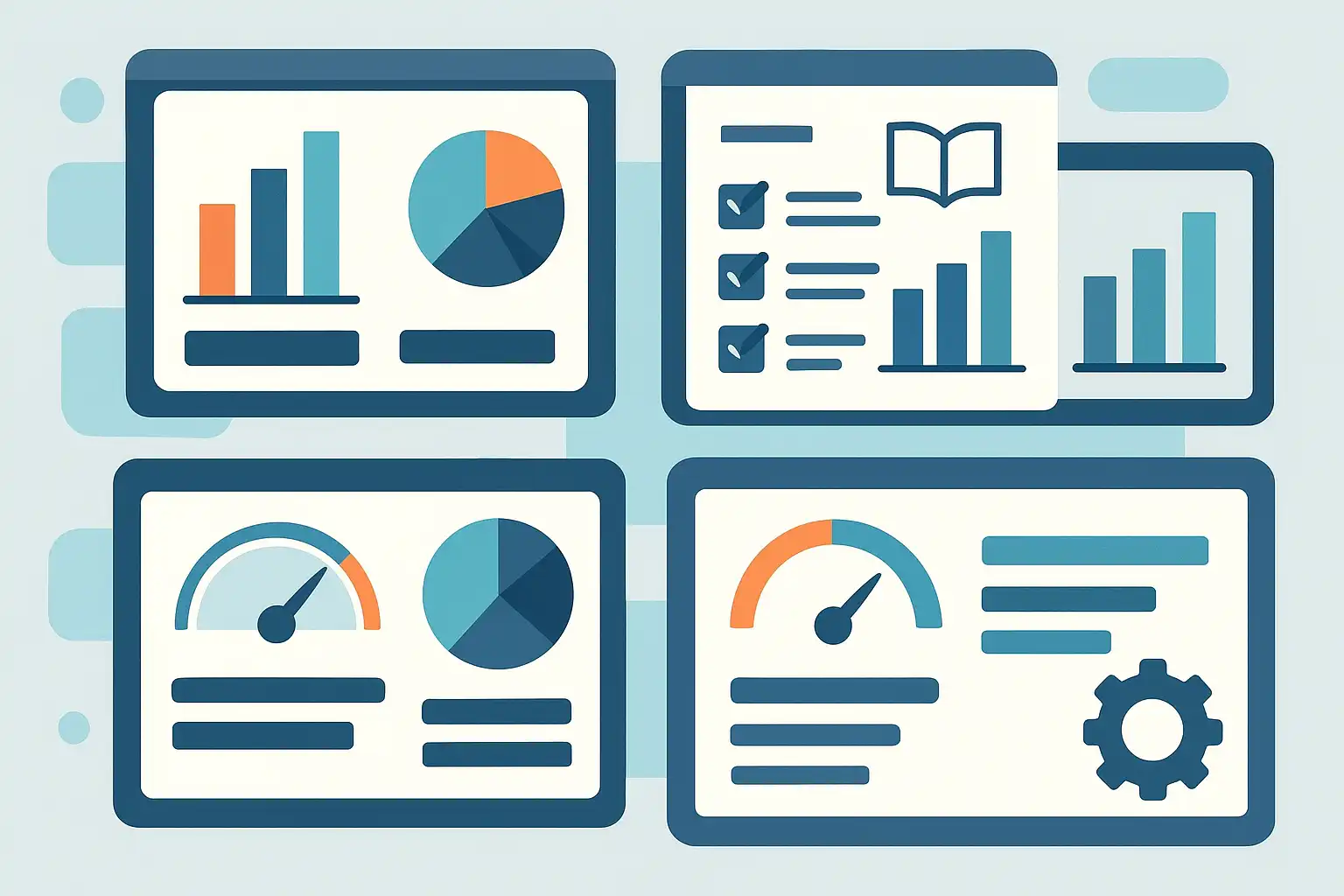
- Tableau or Power BI: Visual dashboards for deeper analysis.
- Survey tools: Like SurveyMonkey or Google Forms, helpful for collecting feedback.
- Customer Relationship Management (CRM) software: Tracks sales, service, and customer engagement.
- Custom apps: Tailored tools designed for specific industries (like healthcare record systems or educational performance platforms).
For advanced content teams, combining reporting tools with strategic guides such as Measuring ROI in Content Strategy can enhance both the quality and impact of measurement.
How can performance measures support long-term success?
Effective performance measurement does more than solve today’s problems. It builds a foundation for growth, innovation, and confidence. Here’s how:
- Continuous Improvement: Tracking the right measures helps you spot trends and adjust your strategies. Organizations that review performance data regularly are more likely to catch issues early and adapt.
- Informed Planning: Historical data guides goal-setting and resource allocation. For example, knowing last year’s customer satisfaction trends can shape next year’s service priorities.
- Transparency and Trust: Sharing results with your team or stakeholders builds a sense of accountability. People are more likely to engage when they see how their work fits into the bigger picture.
Whether you’re leading a startup, teaching a class, or running a hospital, putting performance measures to work can help you achieve lasting results—not just quick fixes.

FAQ: Performance Measures in Everyday Life
What should I do if my performance measures show poor results?
Poor results can be discouraging, but they’re also an opportunity for growth. First, check if your measure reflects your real goals. Next, look for underlying causes—talk to team members, review recent changes, and consider both internal and external factors. Then, create a plan for improvement, set smaller targets, and monitor progress regularly. Remember, setbacks are part of learning, and honest measurement helps you respond effectively.
How often should I update or review my performance measures?
There’s no one-size-fits-all answer, but a good rule of thumb is to review performance measures as often as you review your goals. For active projects, monthly or quarterly reviews are common. For longer-term objectives, annual assessments might be enough. The key is to revisit your measures whenever priorities shift, new challenges arise, or unexpected results pop up. This keeps your tracking relevant and useful.
Can performance measures be used outside of business?
Absolutely! Performance measures are valuable in education, healthcare, sports, nonprofits, government, and even personal development. For example, a teacher might track homework completion rates, while someone training for a marathon could measure weekly running distance. The core idea—using clear indicators to check progress—applies everywhere.
What if my team resists using performance measures?
It’s common for people to worry that measurement means more scrutiny or blame. To ease concerns, involve your team in choosing which measures to track and explain how these will help, not hinder. Emphasize growth, not punishment. Celebrate improvements and use data as a tool for discussion, not just evaluation. Over time, transparency and shared ownership can turn skepticism into support.

Related Posts