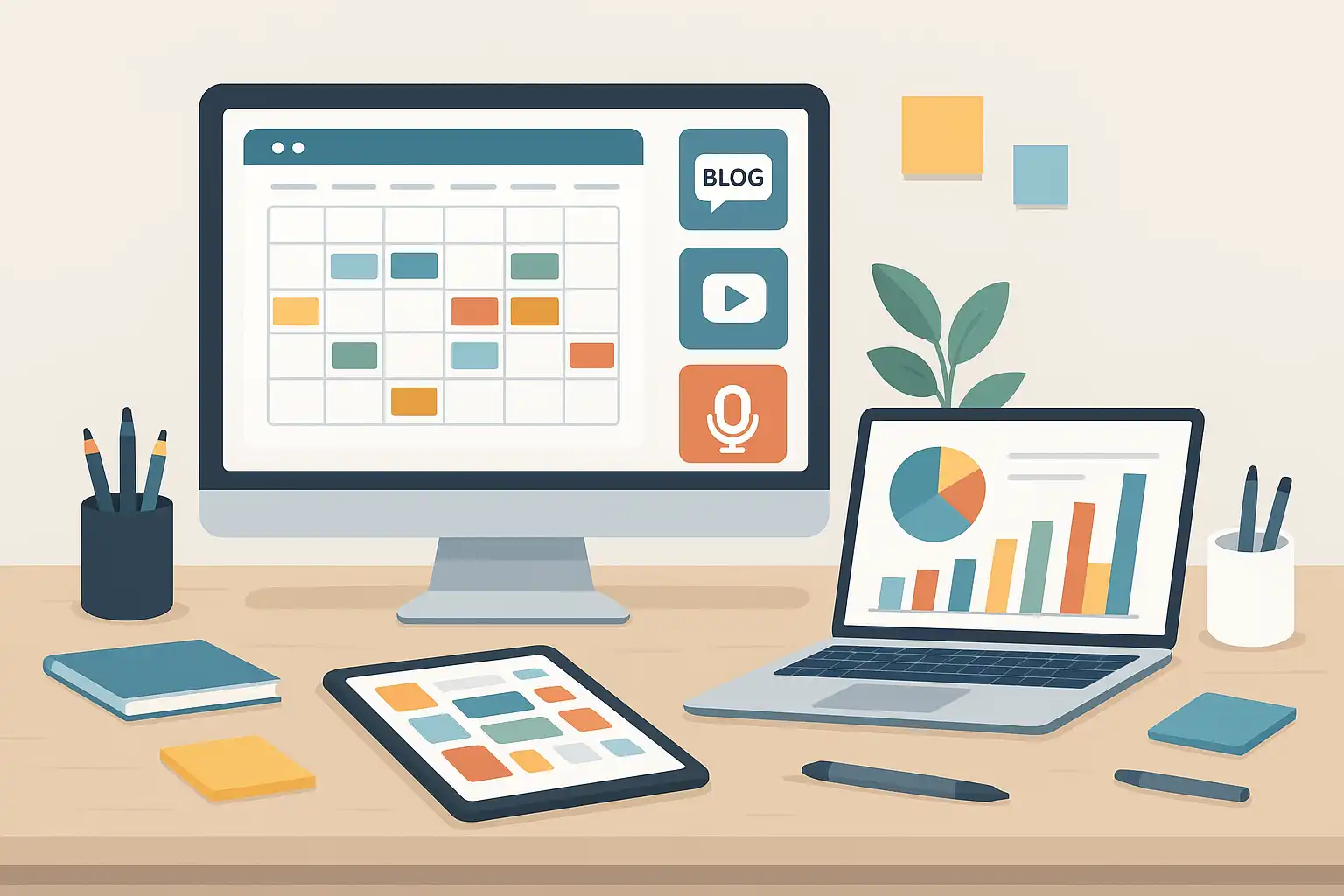
Creating a digital content plan may sound overwhelming, but the core idea is straightforward: you organize what, when, and how you publish content online to match your goals. If you want to save time, increase online engagement, and build a consistent brand voice, crafting a content plan is the first step. In this guide, you’ll learn how to make digital content planning simple — even if you’re new to the process or just want to streamline your current workflow.
What is digital content planning and why does it matter?
Digital content planning means mapping out what content you’ll create, the platforms you’ll use, and the schedule for sharing it. This could include blog posts, social media updates, videos, newsletters, or podcasts. The main goal is to ensure every piece supports your business or personal brand’s objectives. Without a plan, you might find yourself scrambling for ideas or posting inconsistently, which confuses your audience and weakens your message.
Think of a content plan as a roadmap: it keeps your efforts on track, prevents last-minute stress, and lets you measure results. It isn’t just busywork, either — Content Marketing Institute’s B2B content marketing research consistently finds that the most successful content marketers are far more likely to work from a documented plan and the right tools than their less successful peers.
How to start digital content planning from scratch
Starting from zero is easier when you break it down. Here’s a simple blueprint:
- Set clear goals. Define what success looks like — more website visitors, social followers, or sales?
- Know your audience. Identify who you’re speaking to: their needs, interests, and online habits.
- Brainstorm content ideas. List topics, formats, and questions your audience cares about.
- Choose channels. Decide which platforms fit your message (blog, Instagram, YouTube, etc.).
- Build a content calendar. Plan when and where each piece goes live — a spreadsheet or a dedicated tool both work.
- Create and publish. Produce your content, check quality, and share it on schedule.
- Measure and adjust. Track engagement and results, then refine your plan over time.
Online tools — content calendars and project-management apps like Trello, Asana, or Google Calendar — help you assign tasks, set deadlines, and coordinate with teammates. For long-term consistency, many people also lean on a dedicated content plan strategy tool that keeps goals, calendar, and ideas in one place.
A simple one-month content plan (example)
If a full year feels like too much, start with a single month. Here’s what a lightweight plan can look like for a small brand:
| Week | Primary content | Channel | Goal |
|---|---|---|---|
| Week 1 | How-to blog post | Blog + 3 social posts | Attract search traffic |
| Week 2 | Newsletter + tips | Email + 3 social posts | Nurture subscribers |
| Week 3 | Short how-to video | Instagram/TikTok + blog | Boost engagement |
| Week 4 | Repurpose top blog into a carousel | Social + review analytics | Extend reach, learn |
Copy this into a spreadsheet, swap in your own topics, and you already have a working plan.
The most common types of digital content to plan
Not all content serves the same purpose:
- Blog posts: Great for sharing knowledge, telling stories, or building authority.
- Social media updates: Best for conversations, quick tips, and community building.
- Videos: Perfect for how-tos, behind-the-scenes, product reviews, and personal branding.
- Podcasts: Ideal for in-depth discussions, interviews, or thought leadership.
- Email newsletters: Useful for updates, exclusive offers, and connecting directly with your audience.
Mix and match based on your skills and what your audience enjoys. If your followers prefer quick visuals, lean into short videos or image carousels.
How to make digital content planning even easier
- Batch your work. Create several pieces at once instead of switching tasks daily.
- Use templates. Reusing formats (email layouts, video outlines) saves time and keeps things consistent.
- Automate scheduling. Tools like Buffer, Hootsuite, or Later handle multi-platform posting.
- Repurpose content. Turn one blog post into a podcast episode, infographic, or social thread.
- Monitor trends. Watch industry trends and fold relevant themes into your plan.
To go deeper on the fundamentals, it helps to understand the content planning definition and why preparation leads to better results.
Tools and resources that boost your content planning
- Content calendars: Google Sheets, Trello, or Monday.com visualize your whole schedule.
- Writing and design: Canva (graphics), Grammarly (writing quality), Hemingway Editor (clarity).
- Social scheduling: Buffer, Hootsuite, and Later automate multi-platform posting.
- Keyword research: Google Trends or Ubersuggest help you find topics your audience wants.
- AI tools: Solutions like ChatGPT speed up idea generation and drafting. For a closer look, see this guide to ai content planning.
The best tool is the one you find intuitive and that fits your budget and team size.
How to measure the success of your digital content plan
- Track website visits. Use Google Analytics to see how many visitors each piece brings.
- Monitor engagement. Comments, shares, likes, and email open rates gauge interest.
- Review conversions. How many visitors take the desired action (sign up, buy)?
Set aside time each month to review these numbers — patterns will tell you what to keep, change, or stop. This habit pays off: Orbit Media’s annual blogging survey finds that marketers who publish consistently and regularly check their analytics are noticeably more likely to report strong results. For more on interpreting results, a content strategy essentials guide can help.
Why flexibility matters in content planning
While structure is crucial, rigid plans can limit creativity. Flexibility lets you seize new opportunities, respond to unexpected events, and test fresh ideas. If a trending topic becomes relevant to your business, updating your plan to include it can boost visibility. Balancing structure with room to improvise keeps your approach current and engaging.

FAQ
What if I don’t have time to create a content plan?
Start small. Even a rough monthly outline beats nothing. As you get comfortable, expand it. Many tools and templates are designed to save time so you can focus on creating rather than deciding what to post next.
What’s the difference between content planning and content strategy?
Content strategy is the big-picture why and for whom — your goals, audience, and how content supports the business. Content planning is the practical what, when, and where — the calendar and schedule that put the strategy into action. You plan best when a strategy sits underneath it.
Should I plan every single piece of content in advance?
Not always. Plan major campaigns, launches, and regular series, but leave room for spontaneous posts. Some of the best content happens organically, based on real-time events or audience feedback.
How far ahead should I plan my content?
Most planners work at least a month ahead, but it varies. Blogs and newsletters suit monthly planning; social media often needs only a week or two. Stay organized while leaving room for updates.
Can I change my plan once it’s in motion?
Absolutely. A content plan should be a living process. Update it as you gather insights or as business needs change — regular reviews help you stay on track and adapt to what works.

Related Posts