The most significant content marketing shifts happening in 2025 aren’t primarily about AI — they’re about where people are choosing to spend their attention, who they trust to inform those choices, and how brands can show up authentically in those spaces.
Three specific trends are reshaping content distribution and brand trust right now: the emergence of BlueSky and Threads as genuine alternatives to X for brand content, the measurable performance advantage of employee-generated content (EGC) over brand-published content, and a structural shift from broadcasting to communities as the primary model for sustained audience engagement.
What are the most important content trends for the next year?
- New social platforms: BlueSky and Threads are gaining attention as alternatives to X (formerly Twitter). Their rapid growth is prompting brands to rethink where and how they spend their marketing effort.
- Employee-Generated Content (EGC): Content created by team members from their personal accounts — rather than brand accounts — feels more genuine and consistently outperforms corporate content in reach and trust metrics.
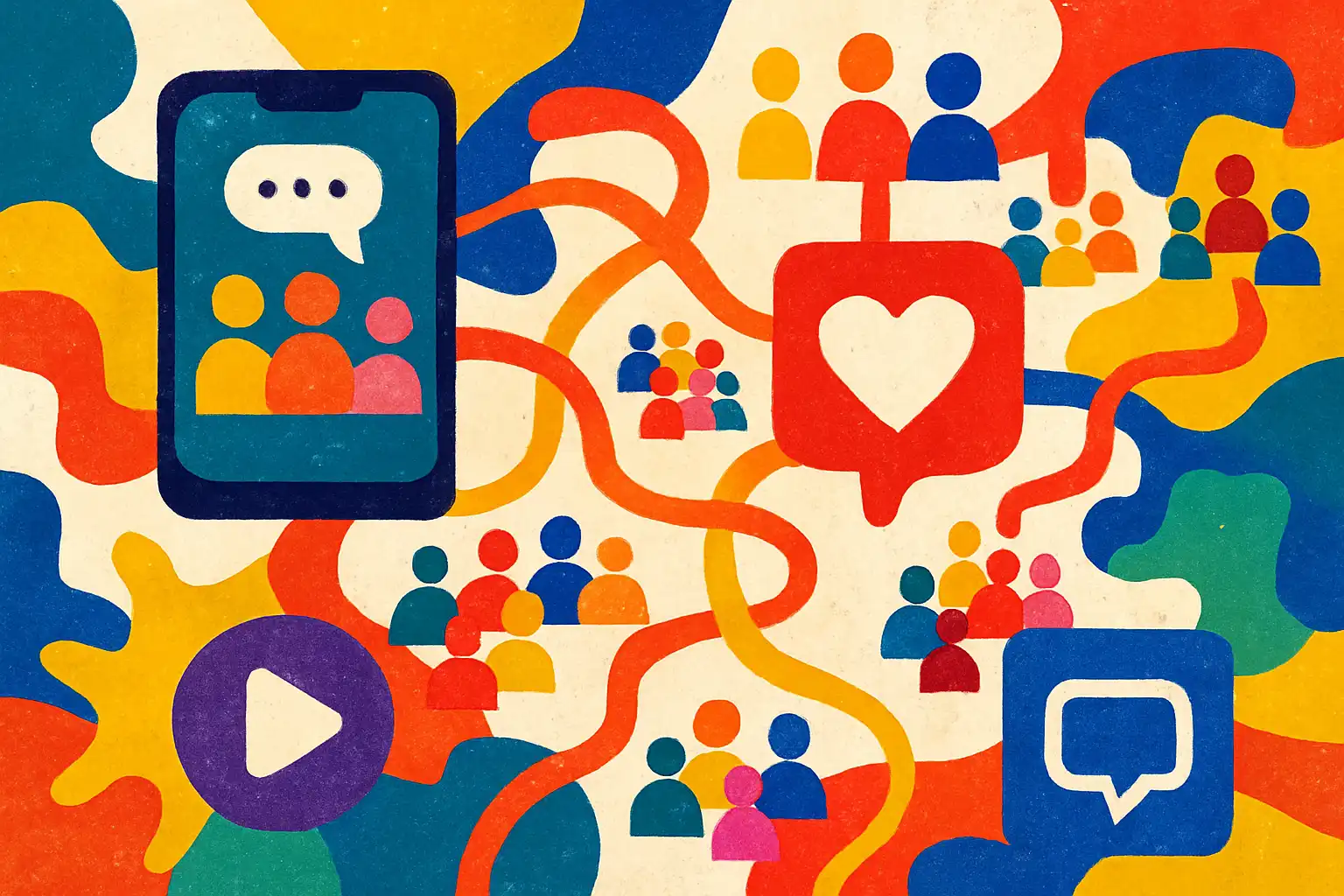
- Community over influencers: Instead of chasing big-name influencers, brands are engaging smaller, loyal communities. This shift means focusing on existing customers and passionate followers, turning them into advocates.
- AI integration and automation: More than half of marketers now rely on AI tools to create, analyze, and manage content. AI agents capable of running entire campaigns autonomously are already in use at leading marketing organizations.
- Content revitalization: Updating and repurposing older content can boost results dramatically. By refreshing outdated posts, brands can increase reach and keep information relevant as search behavior changes.
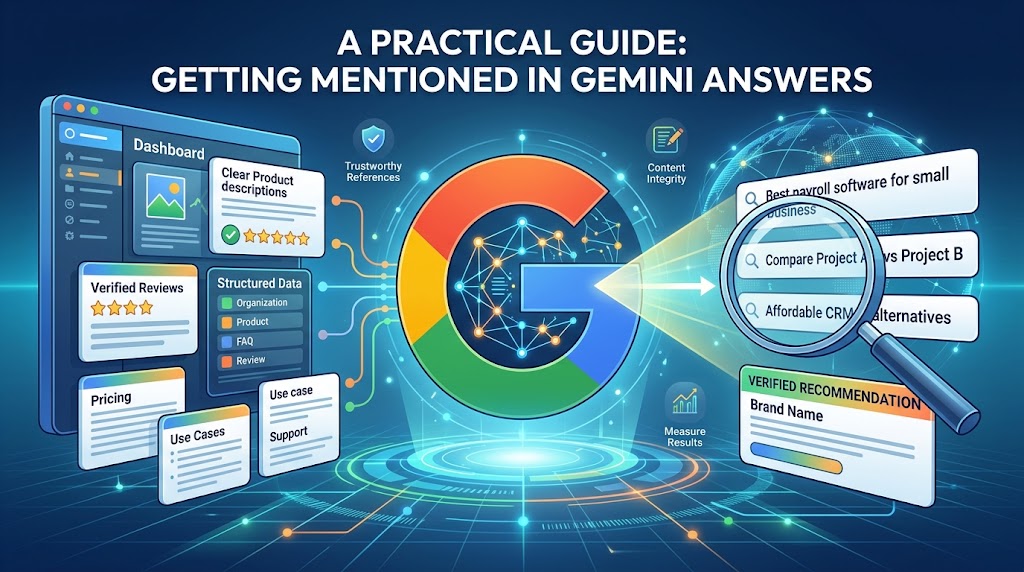
- Generative AI search: With features like Google’s AI Overviews and direct ChatGPT answers, traditional SEO is evolving. Optimizing for generative AI — sometimes called GEO, or Generative Engine Optimization — is essential for maintaining content visibility.
BlueSky and Threads: what brands need to know
BlueSky — decentralized, text-first, and growing fast
BlueSky reached 20 million users by late 2024, with accelerated growth following each major X controversy. It’s built on a decentralized architecture where users can theoretically take their audience to a different app if BlueSky changes its policies — a significant differentiator from platform lock-in.
BlueSky’s current audience skews heavily toward journalists, academics, researchers, and developers. Brands that do well are those whose employees are active as individuals rather than corporate accounts broadcasting content. For most brands: monitor rather than fully invest. The exception is brands targeting journalists, researchers, academics, or tech-forward early adopters — for these audiences, a thoughtful presence now establishes credibility before potential mainstream growth.
Threads — Instagram’s text layer with genuine reach
Threads by Meta reached 200 million monthly active users by early 2025. Unlike BlueSky, Threads benefits from direct Instagram integration — users can find Threads accounts through their existing Instagram following, dramatically lowering the audience-building barrier.
Text-based observations, questions, and opinions perform better than promotional content. Brands with a genuine point of view on their industry consistently outperform brands that use Threads primarily for announcements. For most brands with limited resources, Threads offers a better near-term return on content investment than BlueSky.
Employee-Generated Content (EGC): why it outperforms brand content
Employee-Generated Content is content created and shared by employees from their personal accounts — not content created for the brand by employees and published on brand channels. The trust dynamics are fundamentally different: when a brand publishes content on its LinkedIn page, audiences interpret it as marketing. When an employee shares their perspective on the same topic from their personal account, audiences interpret it as a professional opinion.
LinkedIn’s own research consistently shows that content shared by employees receives significantly higher reach and engagement rates than equivalent content from brand pages. Edelman’s Trust Barometer found that regular employees are rated as more credible sources of information about a company than CEOs — a finding that directly supports EGC as a trust-building strategy.
Building an EGC program that works
- Identify natural advocates first. Start with employees already active on LinkedIn with engaged audiences — don’t force participation from people who aren’t natural content creators.
- Provide content ammunition, not scripts. Give employees access to proprietary data, customer insights, and company research they can reference in their own way.
- Train on format, not message. Help employees understand what content formats perform well rather than coaching on brand messaging.
- Make it easy to participate. Create a simple brief template for employees to fill in their perspective on a topic. The brief prompts them; the words are theirs.
- Never require it. Mandatory social media participation produces inauthentic content that backfires.
From influencers to communities: a structural shift
Traditional content marketing is built on broadcast logic: create content, publish it, reach an audience, convert some percentage. Community-first content is built on different logic: create conditions for people with shared interests to connect with each other, with you playing the role of convener rather than broadcaster.
A brand with 50,000 LinkedIn followers has an audience. A brand with a Discord server of 5,000 engaged members has a community. The community is smaller but dramatically more valuable — members return regularly without prompts, generate content themselves, and convert at higher rates.
Several forces are driving this shift: platform algorithm unpredictability has reduced organic reach on every major platform; first-party data pressure means community relationships provide a direct, consented channel to engaged audiences; and the volume of AI-generated brand content is making feed content harder to stand out in. Understanding how to plan and maintain this kind of content system over time is exactly what systematic approaches to what content planning actually involves address at a foundational level.
Community content formats that work
- Newsletter communities (Substack, beehiiv, Ghost): Paid or free newsletter subscriptions with community comment sections are the fastest-growing owned audience format.
- LinkedIn newsletters with post notifications: LinkedIn’s newsletter feature sends push notifications to subscribers — bypassing feed algorithms entirely.
- Discord servers for niche professional communities: Software tools, media organizations, and professional communities have built engaged Discord communities that serve as retention, feedback, and distribution channels simultaneously.

How businesses should adapt their strategies
- Blend AI and human voices. Use AI to handle repetitive tasks, but add unique human perspectives where possible. This approach ensures both scalability and authenticity.
- Refresh and repurpose content. Audit your existing assets, update old articles, and republish with new data or trends. Algorithms favor fresh, authoritative material.
- Promote employee advocacy. Encourage team members to share their stories and expertise on platforms like LinkedIn.
- Focus on community building. Invest in long-term relationships with loyal customers and fans. Offer exclusive content, organize events, and encourage user participation.
- Optimize for generative AI. Structure content for conversational queries. Use clear, concise language, answer specific questions, and highlight expertise to remain visible in AI-powered search engines.
- Track emerging audience values. Understand what matters to Gen Alpha and other rising demographics — their preferences for authenticity, inclusivity, and quick, visual answers are shaping how content is consumed.
For businesses that are also adapting their content to reach business audiences, the B2B content strategy guide provides practical frameworks that are adaptable to these fast-changing trends. And for a broader strategic foundation connecting all these elements, planmoon’s content planning resources show how to coordinate content across platforms, formats, and teams in a way that compounds over time.
FAQ
How can I ensure my content stays visible in AI-driven search engines?
Structure your content to answer common questions in clear, direct language. Focus on helpful, expert advice rather than just keywords. Keep your content up to date, and use headings and lists to organize information for both users and AI systems. Direct, specific answers in the first paragraph and demonstrated expertise signals are the highest-impact changes most content can make immediately.
Why is employee-generated content on LinkedIn becoming so popular?
Audiences trust real people over brands. Employee-generated content brings authentic insights, varied expertise, and a human face to your business — driving engagement and building trust with both current and potential customers. LinkedIn’s algorithm also gives personal profiles significantly more organic reach than brand pages for equivalent content quality.
Is updating old content more effective than creating new posts?
Updating older posts can be highly effective, especially if they once performed well. Adding new insights, statistics, or visuals improves their value, helps them rank higher in searches, and keeps your information relevant. For many teams, content revitalization delivers better ROI per hour invested than creating net-new content from scratch.
Is it worth building a brand presence on BlueSky in 2025?
For most brands, BlueSky warrants monitoring rather than significant investment right now. Its user base remains small and narrow — primarily journalists, academics, and tech early adopters. Brands targeting these audiences specifically should establish a thoughtful presence now. For brands targeting broader consumer audiences, Threads offers better near-term reach with less speculative upside.

Related Posts