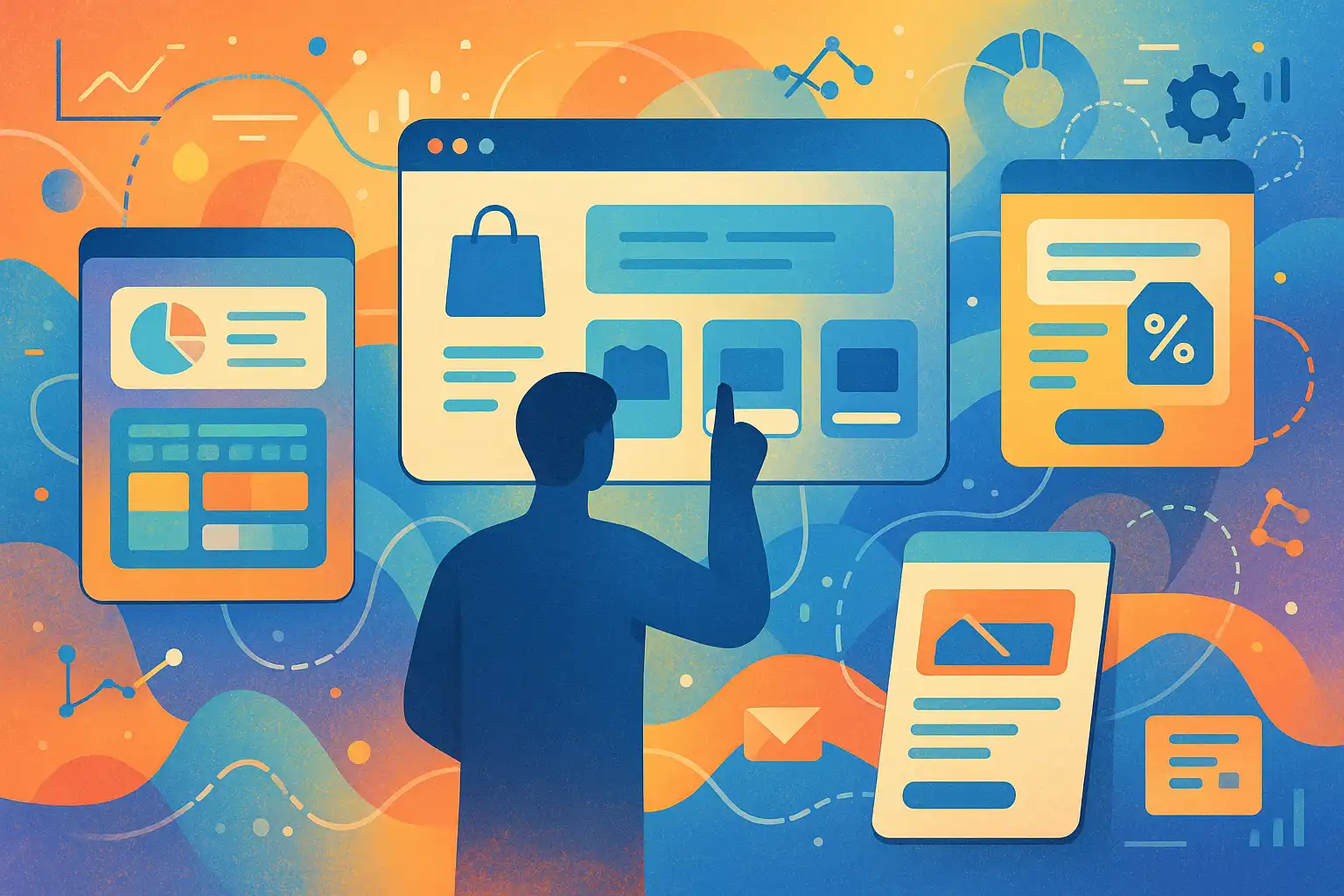
Personalized content is content tailored to each individual based on their preferences, behaviors, or needs. It delivers a unique experience to every user, making them feel understood and valued. If you want to engage people quickly and boost your results, creating personalized content is one of the best strategies available. This approach immediately answers the fundamental question: what makes a website, store, or brand memorable and effective? The answer is content that feels like it was made just for you.
In today’s crowded digital world, people crave relevance and recognition. They want information, recommendations, and offers that reflect their interests. When you show visitors that you understand them, you create trust and invite deeper connection. This is why personalized content delights audiences and drives higher conversion rates—turning visitors into loyal customers.
How does personalized content impact audience engagement?
Personalized content increases engagement by speaking directly to the individual. Instead of offering generic messages, brands now greet customers by name, suggest products they’ve browsed, or share articles matched to their past reading habits. This close fit makes users more likely to pay attention and interact with your site or messages.
When content feels relevant, people naturally spend more time reading, click more links, and are twice as likely to return. A study from Epsilon found that 80% of consumers are more likely to buy when brands offer personalized experiences. This leads to higher satisfaction and increases the chance of future purchases.
Why do users respond so positively?
People enjoy being understood. Personalized content shows you are listening, not just talking. It helps cut through information overload by guiding people to what matters most to them. For example, when an online shop recommends items based on your latest purchase, it saves you time and makes the process enjoyable. These small touches can build loyalty fast.

What are the main types of personalized content?
Personalization can take many forms. Here are some of the most common types you’ll encounter:
- Email personalization: Tailored subject lines, product suggestions, and timing based on user actions or preferences.
- Website personalization: Dynamic landing pages, banners, or recommendations adapting to user location or past behavior.
- Product recommendations: Suggestions based on browsing and purchase history, often powered by machine learning.
- Dynamic content in apps: Home screens or dashboards that change based on user habits or status.
- Personalized messaging in chatbots: Automated conversations using previous interactions to guide answers.
- Customized offers: Discounts or deals based on customer loyalty, purchase frequency, or wishlist items.
Where do brands use personalized content effectively?
Major online retailers like Amazon and Netflix lead the way, using viewing and shopping history to recommend products or shows. Email platforms send newsletters that highlight topics each person cares about. Even financial sites now tailor dashboards to client goals and habits, making personalized content a key part of their content strategy for success.
How can you start creating personalized content?
Even small businesses can add a personal touch to their communications. Here are simple steps to get started:
- Collect accurate data. Use signups, surveys, or analytics to understand your audience’s interests and behaviors. Always be transparent about privacy.
- Segment your audience. Group users by traits like age, location, purchase history, or interests. Segmentation lets you craft messages that resonate with each group.
- Use smart tools or platforms. Many email and website tools provide personalization features—Mailchimp, HubSpot, and Shopify, to name a few. These platforms let you create dynamic content and automate recommendations.
- Test and improve. Show different content versions to different users and track results. Learn which messages perform best for each segment.
- Automate where possible. Once you know what works, set up automated flows to deliver personalized content without manual effort.
What are some personalization best practices?
- Be respectful with data—always protect privacy.
- Don’t overdo it. Subtle personalization often works better than being too personal too soon.
- Keep your content useful and relevant; don’t personalize just for the sake of it.
- Update personalizations as new data comes in.
What are the benefits and challenges of personalized content?
Personalized content delivers multiple benefits:
- Higher engagement: Users are more likely to click, share, and convert when content fits their needs.
- Greater loyalty: When people feel seen and valued, they stick around longer.
- More sales: Personalized product suggestions can increase average order value and frequency of purchase.
- Competitive advantage: A unique customer experience sets you apart from rivals.
However, there are some challenges to keep in mind:
- Data privacy: Collecting and storing personal data requires care and compliance with laws.
- Technical setup: Building dynamic content systems may require effort or investment in new tools.
- Content complexity: You’ll need multiple versions of emails, web pages, or recommendations for different user types.
- Analysis: Tracking what works and updating your strategy is an ongoing task.
If you’re optimizing your website for more sales, learning about funnel optimization strategies for better conversions can help you connect personalized content to results.
How do you measure success?
Key metrics for personalized content include: click-through rates, conversion rates, time spent on site, repeat visits, and customer satisfaction scores. Compare these numbers before and after you introduce personalization. Look for patterns: Do personalized messages lift conversion? Are people returning more often? These are signs your strategy is working.
What tools and technologies power personalized content?
Several tools help deliver personalized experiences:
- Customer Relationship Management (CRM) systems: Store and organize user data for targeted messaging (e.g., Salesforce, Zoho).
- Email marketing platforms: Services like Mailchimp, ActiveCampaign, and Klaviyo help create personalized email flows.
- Website personalization tools: Optimizely, Dynamic Yield, and Adobe Target can deliver dynamic page elements for each visitor.
- Analytics platforms: Google Analytics and Mixpanel track user actions so you can adapt content.
Many of these platforms offer templates and integrations, making it easy to start small and scale as you grow.
How can you avoid common pitfalls?
Keep personalization helpful, not intrusive. Users may be wary if you know too much or use information unwisely. Offer value at every step, and let people update their preferences or opt out. Stay transparent about how you use their data, and always prioritize user trust.
What’s the future of personalized content?
As technology advances, personalized content will become even more sophisticated. Artificial intelligence is improving recommendations and automating content creation. Soon, websites and apps may predict user needs even before they ask. Voice assistants, chatbots, and smart devices will deliver hyper-relevant experiences across more channels.
The human element remains vital. Even the best algorithms work best when guided by empathy and good content strategy. Personalized content should always make users feel respected, not just targeted.
FAQ: Personalized Content
- What is personalized content in simple terms?
It’s content designed for you, based on your interests or actions. For example, a newsletter that suggests articles similar to those you liked before, or an online shop showing products tailored to your style. - Do I need lots of data to personalize content?
No, even small details like first names or previous purchases help create a personal touch. Start small and expand as you learn what works best for your audience. - Can personalized content help small businesses?
Absolutely. Even simple touches—like using a customer’s name in an email—can make a big difference. As your business grows, you can use more advanced personalization tools. - Is it possible to personalize content without invading privacy?
Yes. Be clear about what data you collect, allow users to control their information, and only use data to improve their experience.
Personalized content is a proven way to engage, delight, and convert your audience. By offering tailored experiences, you invite visitors to stay, trust, and take action. Whether you run a local business or a global brand, starting with even simple personalizations can set you apart and help you build lasting relationships.

Related Posts