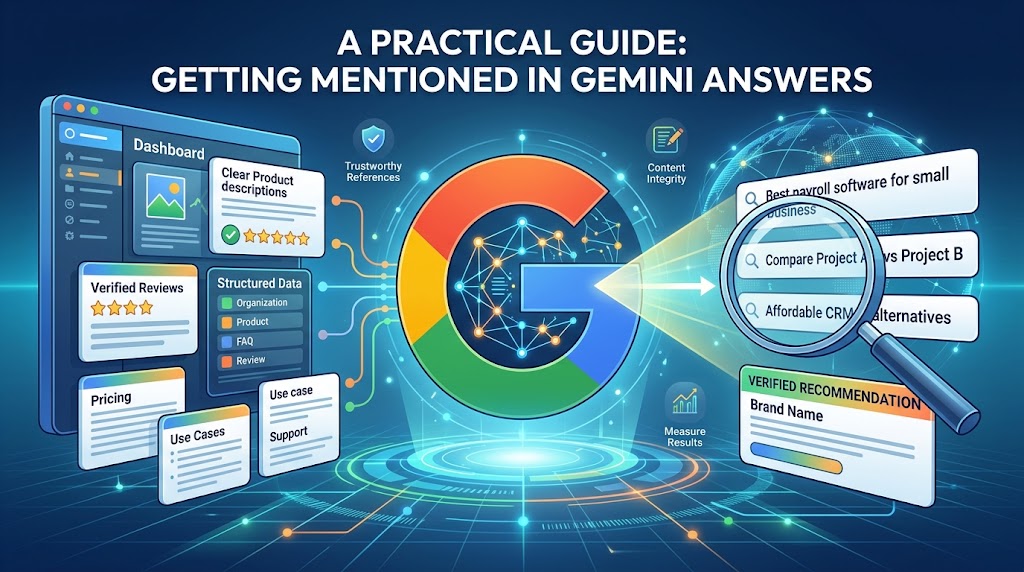
If you want your online store to grow, it’s crucial to set the right content goals for ecommerce website success. The main aim for any ecommerce business is to attract, engage, and convert visitors into loyal customers. But content can’t do this by accident. You need clear goals, simple ways to measure progress, and smart strategies to reach those goals. Let’s break down what to focus on, how to keep track, and what steps will help you win with your site’s content.
What are content goals for ecommerce websites and why do they matter?
Content goals are specific outcomes you want from the materials you publish on your online store. These include your homepage, product pages, blog, FAQs, and everything in between. For ecommerce, these goals often fall into a few key categories:
- Attracting more visitors through search engine optimization (SEO), social sharing, and helpful blog content.
- Engaging users by offering product descriptions, reviews, and guides that help shoppers make decisions.
- Increasing conversion rates by making content persuasive, clear, and tailored to your audience’s needs.
- Reducing bounce rates by ensuring content matches user intent and loads smoothly on all devices.
- Growing email and qualified leads using sign-up incentives and expert advice.
- Decreasing cart abandonment by removing barriers such as complex checkouts or unclear return policies.
- Improving customer satisfaction with consistent, accurate information and an intuitive user experience.
These targets matter because they connect your content to your bottom line. When you set goals like increasing site traffic or lowering cart abandonment, you gain measurable ways to see if your content helps you sell more. Ultimately, well-defined content goals for ecommerce website optimization can transform casual browsers into repeat buyers.

How can you set effective content goals for an ecommerce website?
It’s easy to say, “I want more sales.” But effective goals are specific, realistic, and tied to clear actions. Here’s how you can set goals that actually work:
- Start with your business outcomes. Do you want to sell more of a particular product? Or get more people to sign up for your newsletter?
- Break them into smaller steps. For example, to boost sales, you might first aim to increase product page visits by 20% in three months.
- Use the SMART method:
- Specific: Target one outcome at a time.
- Measurable: Attach a number or percentage.
- Attainable: Stay realistic, based on past results.
- Relevant: Connect to broader business targets.
- Time-bound: Set deadlines to track progress.
- Pick a few main goals at a time. Trying to improve everything at once can be overwhelming.
- Align your content with the buyer’s journey. For instance, you might set a goal to create three new blog posts that answer pre-purchase questions about your bestsellers.
Setting goals this way keeps your team focused and helps you see real improvements. For example, if your average bounce rate is 60% and you set a goal to reduce it to 50% in two months, you can track changes over time and report on what’s working.
What tools help track and measure content performance?
Once your content goals for ecommerce website growth are clear, you need to monitor how your content performs. Several analytics tools make it easy to measure progress and spot opportunities, such as:
- Google Analytics: Tracks visitors, bounce rates, conversion rates, and where users drop off in your funnel.
- Ecommerce platform analytics: Shopify, WooCommerce, and Magento offer detailed reports tailored to online stores.
- Heatmap tools: Services like Hotjar show exactly where users click, scroll, or get stuck on your site.
- Email marketing dashboards: Platforms like Mailchimp track open rates, sign-ups, and click-throughs from your newsletters.
- SEO trackers: Tools like Ahrefs or SEMrush monitor keyword rankings and organic search traffic.
To measure content performance, define your metrics before you start. For example, if lowering cart abandonment is a goal, track how many people add products to their cart and how many complete the purchase. If your aim is to increase sign-ups, measure the number of email subscribers each week. These numbers help you see if your strategies are working or need adjustment.
How do you optimize content to win conversions and customer loyalty?
Winning with content means going beyond just publishing product descriptions or blog posts. It’s about crafting experiences that answer questions, solve problems, and guide users toward buying. Here’s what successful ecommerce sites often do:
- Target the right keywords in every piece of content. Research what your audience is searching for and reflect it in your product pages, blog, and FAQ.
- Update and improve your content regularly. Outdated product information or old blog posts can turn customers away.
- Streamline the buyer journey. Make sure calls to action are clear, buttons are easy to find, and checkout is frictionless.
- Leverage social proof. Show reviews, testimonials, and ratings to build trust.
- Personalize your content. Use recommendations and targeted offers based on browsing history or past purchases.
- Educate your customers. Share how-to guides, videos, and comparison charts to help users choose the right product for their needs.
- Optimize for mobile experience. Mobile shopping is huge, so ensure your content loads fast and looks great on all devices.
For example, lowering bounce rates might involve creating a series of easy-to-read product guides or adding customer reviews to your pages. To improve your SEO and attract more qualified traffic, continually refine keywords, update meta descriptions, and earn backlinks to authoritative content.
Case Example: Reducing Cart Abandonment
Many ecommerce sites lose customers at checkout. If your goal is to decrease cart abandonment, focus on:
- Offering guest checkout options to speed up the process.
- Being upfront about shipping costs and delivery times.
- Sending helpful email reminders to recover abandoned carts.
- Highlighting trust signals like security badges or easy return policies.
Brands like Shopify and BigCommerce offer built-in analytics to pinpoint where users abandon their carts, letting you test new tactics and see if your abandonment rate drops over time.

Which strategies help ecommerce sites consistently achieve their content goals?
Consistency is key. Here are proven strategies to win and keep improving:
- Set and review SMART goals regularly. Adjust based on performance data, new trends, and customer feedback.
- Invest in ongoing SEO. Refresh your keywords, acquire quality backlinks, and monitor rankings monthly.
- Promote your best content across multiple channels. Use email, social media, and ads to reach new audiences.
- Encourage two-way engagement. Run polls, Q&A sessions, or live streams to build a loyal community.
- Empower your team with the right tools. Whether it’s a robust email platform, analytics dashboard, or even an AI-powered content strategy, the right tech stack helps you stay nimble and focused.
- Act on analytics insights. Regularly check which pages convert best and what content drives return visits, then refine your approach.
By staying flexible and listening to your users, you make sure your content serves their needs and meets your goals, too.
FAQ
What are the most important content goals for ecommerce websites aiming to boost conversions?
The most important goals focus on attracting high-quality traffic, lowering bounce and abandonment rates, increasing conversion rates, and improving customer satisfaction. Each of these directly impacts your ability to convert visitors into buyers.
How do I measure if my ecommerce content is performing well?
Use tools like Google Analytics or your ecommerce platform’s dashboard to track metrics such as traffic, bounce rates, conversions, and cart abandonment. Set benchmarks and monitor weekly or monthly changes to spot trends and opportunities.
What are some quick wins to improve ecommerce content results?
Quick wins include updating outdated content, adding customer reviews, optimizing product images and descriptions, simplifying navigation, and offering clear calls to action. Testing small changes can lead to noticeable improvements.
How often should I review my content goals for my ecommerce website?
Review your goals at least every quarter, or whenever you see big changes in traffic, sales, or industry trends. This helps you stay focused on what matters and quickly react to new opportunities or challenges.

Related Posts